
Journal
Where is the Best Place to Retire in Costa Rica?
Daniel Berkley
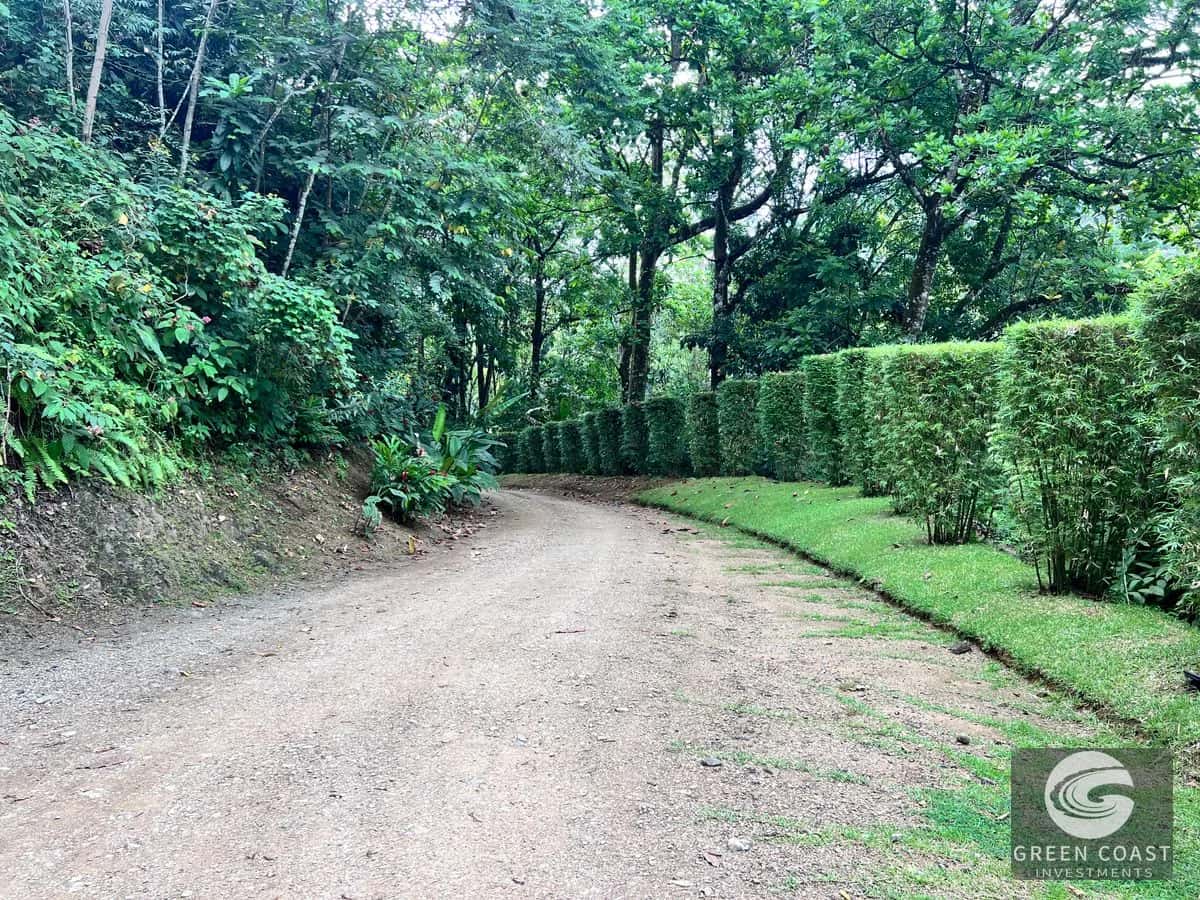
For high-net-worth retirees, figuring out where is the best place to retire in Costa Rica comes down to a clear trade-off: do you want oceanfront living inside gated resort communities, or instant access to top-tier private hospitals?
In our years working this coastline, we've seen Guanacaste's Gold Coast dominate the luxury market for buyers who want gated security and golf. Meanwhile, buyers focused on medical access and cooler mountain air settle in the Central Valley. Capital requirements range from the $150,000 threshold for investor residency up to multi-million-dollar oceanview compounds.
Every region presents clear trade-offs across microclimates, drive times from international airports, dual-layer healthcare access, and property holding costs.
```
+-----------------------------------------------------------------------------------+
| CHOOSING YOUR COSTA RICA REGION |
+-----------------------------------------------------------------------------------+
| GUANACASTE | CENTRAL VALLEY | SOUTHERN ZONE |
| (Gold Coast) | (Escazú, Santa Ana) | (Dominical, Uvita) |
+---------------------------+---------------------------+---------------------------+
| • Master-planned resorts | • JCI-accredited hospitals| • Rainforest estates |
| • 15-45 min to LIR airport| • 15-30 min to SJO airport| • Low-density acreage |
| • High rental yields | • Lower utility bills | • High biodiversity |
| • Dry tropical climate | • Eternal spring climate | • High humidity & rain |
+-----------------------------------------------------------------------------------+
```
Where is the Best Place to Retire in Costa Rica?
Deciding where is the best place to retire in Costa Rica requires balancing coastal lifestyle preferences against health infrastructure and climate tolerance.
The Papagayo Peninsula, Las Catalinas, and Tamarindo corridors draw the bulk of North American capital. Paved coastal highways, fiber-optic lines, and private urgent-care clinics serve foreign residents year-round. According to the Costa Rican Tourism Board (ICT), over 40% of North American residency applicants in 2023 selected Guanacaste province. Direct flights into Guanacaste Airport (LIR) drive much of that demand.
Regional Microclimates and Trade-offs
Evaluating each primary market requires weighing lifestyle access against operational costs:
Guanacaste (The Gold Coast):* Tailored for beach, golf, and yachting access. It contains the highest concentration of luxury infrastructure, though warmer coastal temperatures require constant air conditioning usage.
The Central Valley (Escazú, Santa Ana, Atenas):* Tailored for retirees focused on immediate medical proximity. The average annual temperature variance in the Central Valley remains within 5 degrees Fahrenheit, reducing air conditioning electricity costs by up to 35% compared to coastal regions.
The Southern Zone (Dominical, Uvita):* Tailored for buyers purchasing multi-acre rainforest properties where primary jungle borders the Pacific coastline.
Key Facts: Healthcare, Residency, and Taxes
Retiring to Costa Rica requires working through the legal frameworks, healthcare systems, and property tax structures.
```
+-----------------------------------------------------------------------------------+
| RESIDENCY PATHWAYS (LAW 9978) |
+-----------------------------------------------------------------------------------+
| PENSIONADO VISA | INVERSIONISTA VISA | RENTISTA VISA |
+---------------------------+---------------------------+---------------------------+
| • $1,000/mo guaranteed | • $150,000 minimum real | • $2,500/mo guaranteed |
| lifetime pension | estate investment | income for 2 years |
| • Social Security, state | • Real estate purchase | • Covered via bank |
| pension, or annuity | qualifies directly | deposit or annuity |
+-----------------------------------------------------------------------------------+
```
Legal Pathways for Residency
Costa Rica offers three primary temporary residency categories for foreign nationals planning long-term relocation:
Pensionado Residency:* Requires proof of a permanent, guaranteed lifetime pension or retirement income of at least $1,000 USD per month from a qualified source, such as US Social Security, state pension funds, or private corporate annuities.
Inversionista (Investor) Visa:* Under Law No. 9978, the minimum investment threshold for the Inversionista visa is $150,000 USD (reduced from $200,000 USD). Titled real estate purchases qualify directly toward this requirement.
Rentista Residency:* Designed for individuals without a state pension who can demonstrate a guaranteed income of $2,500 USD per month for at least two years, typically executed via a $60,000 USD deposit into a Costa Rican bank or verifiable private annuity.
The Dual-Layer Healthcare System
Expats utilize a dual-layer healthcare structure combining mandatory national public coverage with private medical networks.
Public Healthcare (CAJA)
Legal residents must enroll in the Caja Costarricense de Seguro Social (CCSS, known as CAJA). This public system covers pre-existing conditions, prescription medications, routine care, and emergency procedures through regional clinics (EBAIS) and primary national hospitals. Monthly fees are calculated on a sliding scale based on declared income.
Private Healthcare Networks
For immediate care access and English-speaking medical specialists, retirees utilize private health networks anchored by Hospital CIMA in Escazú, Hospital Metropolitano (operating locations in San José and Guanacaste), and Hospital Clínica Bíblica. Private health coverage or local care plans average $120 to $250 USD per month for retirees between ages 60 and 70.
Property Taxes and Holding Costs
Property taxes remain far lower than North American benchmarks:
Municipal Property Tax:* The national real estate tax rate is a flat 0.25% of the property's registered tax value in the municipal registry. A home registered at $500,000 USD generates an annual municipal property tax of $1,250 USD.
Luxury Home Tax (Impuesto Solidario):* Residential properties exceeding specific physical construction cost thresholds (approximately $250,000 USD, adjusted annually by the tax authority) pay a sliding-scale luxury tax ranging from 0.25% to 0.55% on the taxable value of structural improvements and land.
Territorial Tax Model:* Costa Rica taxes income on a territorial basis. Foreign-sourced revenues—including foreign pensions, investment portfolios, and offshore business activities—are exempt from Costa Rican personal income tax.
Examining Guanacaste's Gold Coast
Guanacaste places private surgical clinics, high-end dining, and golf courses within a 30-to-60-minute drive of an international airport.
```
+-----------------------------------------------------------------------------------+
| GUANACASTE MASTER-PLANNED COMMUNITIES |
+-----------------------------------------------------------------------------------+
| PENINSULA PAPAGAYO | RESERVA CONCHAL | HACIENDA PINILLA |
+---------------------------+---------------------------+---------------------------+
| • Four Seasons & Andaz | • W Hotel & Westin | • JW Marriott |
| • 1,400-acre enclave | • White-sand beach access | • 4,500-acre estate |
| • Arnold Palmer Golf | • Audubon Golf Course | • Equestrian center |
| • Private Marina | • Eco-luxury homes | • 3 miles of coastline |
+-----------------------------------------------------------------------------------+
```
Airport Proximity and Infrastructure
Guanacaste Airport (LIR) in Liberia served over 1.4 million passengers in 2023. It provides direct flights to 23 international destinations across the United States and Canada. Paved highways, fiber-optic telecommunications, and private water distribution systems serve the key developments along the coast.
Master-Planned Resort Developments
Guanacaste contains established master-planned communities offering property management, rental execution, and private infrastructure:
Peninsula Papagayo:* A 1,400-acre private peninsula containing the Four Seasons Resort, Andaz Resort, custom cliffside residences, a 180-slip deep-water marina, and an 18-hole Arnold Palmer Signature golf course.
Reserva Conchal:* A gated beachfront community anchored by a white-sand bay, containing private single-family homes, condominiums, a W Hotel, the Westin Resort, an Audubon-certified golf course, and a private beach club.
Hacienda Pinilla:* A 4,500-acre historic ranch enclave with three miles of Pacific coastline, private equestrian facilities, an 18-hole championship golf course, a beachfront club, and six gated residential sub-communities.
Market Appreciation and Buyer Profiles
Buyers in Guanacaste focus on ocean-view estates with operational property management programs. Transaction registries from SUGEF (General Superintendency of Financial Entities) show single-family homes in the Papagayo and Beach North corridors achieved a 14% year-over-year price appreciation between Q3 2022 and Q3 2023.
Examining the Central Valley Real Estate Market
The Central Valley serves buyers prioritizing immediate proximity to major medical centers, cultural facilities, and urban services. Locations such as Escazú, Santa Ana, and Atenas provide an infrastructure density that rural coastal regions do not match.
```
+-----------------------------------------------------------------------------------+
| CENTRAL VALLEY MEDICAL & LIFESTYLE HUBS |
+-----------------------------------------------------------------------------------+
| ESCAZÚ | SANTA ANA | ATENAS |
+---------------------------+---------------------------+---------------------------+
| • Hospital CIMA (JCI) | • Suburban gated estates | • Climate: ~75°F average |
| • High-density luxury | • Close to Golf & Dining | • 25 min to CIMA Hospital |
| • Commercial hubs | • Lower $/sqm than coast | • Low utility overhead |
+-----------------------------------------------------------------------------------+
```
Healthcare Infrastructure: Escazú, Santa Ana, and Atenas
Escazú and Santa Ana contain the highest density of private healthcare facilities in Central America. The JCI-accredited CIMA Hospital in Escazú retains bilingual specialists across cardiology, oncology, and surgical centers. Hospital Clínica Católica and Hospital Metropolitano provide complementary networks nearby.
Atenas sits 25 minutes west of these medical centers along Highway 27. It offers a mountain town setting while preserving direct access to emergency services and urban private hospitals.
Real Estate Value Comparison
Real estate options in the Central Valley differ structurally from coastal property offerings:
Central Valley Condominiums and Estates:* High-rise condominiums and gated suburban developments in Escazú and Santa Ana offer low-maintenance footprints, 24/7 access control, lap pools, and walkable access to commercial centers like Avenida Escazú.
Coastal Villa Estates:* Guanacaste and Southern Zone properties feature larger land parcels, open-air architectural designs, ocean views, and private infinity pools, which demand higher ongoing maintenance and security.
On a cost-per-square-meter basis, real estate in Santa Ana and Escazú averages 20% to 30% lower than comparable luxury ocean-view inventory on the Gold Coast.
Elevation and Microclimates
Coastal regions feature high heat and humidity, requiring continuous air conditioning that drives up electric bills.
The Central Valley sits higher—2,000 to 4,000 feet above sea level—delivering daily temperatures near 75°F (24°C) in Atenas and Western San José. This climate eliminates the need for constant air cooling.
Foreign Ownership, Legal Protocols, and Tax Exemptions
Foreigners can own titled real estate in Costa Rica with full legal protections. Article 19 of the Costa Rican Constitution guarantees equal property rights to foreign nationals, establishing fee-simple ownership rights for international buyers.
```
+-----------------------------------------------------------------------------------+
| FOREIGN PROPERTY PURCHASE PROCESS |
+-----------------------------------------------------------------------------------+
| 1. EXECUTE OFFER | 2. ESCROW DEPOSIT | 3. DUE DILIGENCE | 4. CLOSING |
| Letter of Intent | SUGEF-registered | Title check via | Notary transfers |
| with contingencies| escrow account | Registro Nacional | fee-simple title |
+-----------------------------------------------------------------------------------+
```
Constitutional Rights and Title Verification
Foreigners do not require local partners, corporate proxies, or resident status to acquire fee-simple titled land.
All titled properties are recorded in the Registro Nacional (National Registry). A licensed notario público (notary public)—who functions as an official officer of the state—conducts title searches, confirms property boundaries, verifies the absence of liens or tax encumbrances, and registers the final transfer deed in the public registry.
Import Tax Exemptions Under Law 9978
Law 9978 provides tax benefits to foreign retirees and investors qualifying under Pensionado, Rentista, or Inversionista residency status:
Duty-Free Household Importation:* Qualifying residents can import a one-time shipment of personal household goods exempt from import tariffs.
Duty-Free Vehicle Importation:* Law 9978 permits residents to import up to two motor vehicles for personal or family use exempt from standard import taxes, as well as maritime vessels or private aircraft.
Capital Transfer Incentives:* Reductions in property transfer taxes apply to specific qualified investments registered under this program.
Cross-Border Property Transactions
Closing costs run between 3.5% and 4% of the declared contract price, typically split equally between buyer and seller.
Funds imported for real estate purchases must clear strict anti-money laundering protocols managed by SUGEF. Buyers transfer capital into licensed, independent escrow accounts (such as STB Escrow or Secure Title) to process payments directly to the seller upon title registration.
Regional Comparison: Metrics and Microclimates
Selecting a retirement location requires evaluating infrastructure access, microclimates, and regional property liquidity.
```
+-----------------------------------------------------------------------------------+
| REGIONAL PROPERTY METRICS |
+-----------------------------------------------------------------------------------+
| FEATURE | GUANACASTE | CENTRAL VALLEY | SOUTHERN ZONE |
+---------------------+--------------------+--------------------+-------------------+
| Primary Airport | Guanacaste (LIR) | San José (SJO) | San José (SJO) |
| Airport Drive Time | 15–45 minutes | 15–30 minutes | 3.5–4.5 hours |
| Expat Density | High | Moderate-High | Low-Moderate |
| Climate Type | Dry Tropical | Temperate Mountain | Humid Rainforest |
| Net Rental Yields | 6% – 9% | 4% – 6% | 3% – 5% |
+-----------------------------------------------------------------------------------+
```
Infrastructure and Airport Access
Guanacaste offers access to Liberia Airport (LIR), reaching coastal properties within 15 to 45 minutes of landing. The Central Valley provides access to Juan Santamaría International Airport (SJO) in San José, situated within 15 to 30 minutes of Escazú and Santa Ana.
The Southern Zone (Dominical, Uvita, Ojochal) requires a 3.5-to-4.5-hour drive from SJO along Highway 27 and the coastal highway (Costanera Sur), or a domestic flight into Quepos Airport followed by a 45-minute drive.
Microclimates and Environment
Guanacaste features a dry tropical forest climate with over 300 days of sunshine annually and a distinct dry season spanning December through April.
The Central Valley maintains a moderate mountain climate with annual temperatures averaging between 72°F and 78°F. The Southern Zone contains dense rainforest geography where steep coastal mountains meet the ocean, producing high annual rainfall and thick foliage year-round.
Real Estate Liquidity and Rental Returns
Resale speed and prospective rental revenues vary across market structures:
Guanacaste:* High resale liquidity driven by international flight routes into LIR. Net rental yields for luxury vacation homes range from 6% to 9%, supported by short-term vacation rental demand.
Central Valley:* Steady liquidity backed by long-term expat and executive renters. Properties generate 4% to 6% net returns via long-term residential leases.
Southern Zone (Dominical):* Lower total sales volume but strong long-term appreciation on ocean-view land acreage. Rental revenue remains seasonal, driven by niche eco-tourism rentals.
Step-by-Step Acquisition Strategy for Retirees
Executing a property purchase in Costa Rica requires systematic execution to secure property titles and establish legal residency.
```
+-----------------------------------------------------------------------------------+
| TRANSACTION EXECUTION ROADMAP |
+-----------------------------------------------------------------------------------+
| [STEP 1] Determine Region (Guanacaste vs. Central Valley based on priorities) |
| │ |
| [STEP 2] Retain Independent Legal Counsel & Open SUGEF Escrow Account |
| │ |
| [STEP 3] Conduct Title Search at Registro Nacional & Boundary Survey |
| │ |
| [STEP 4] Close Purchase Deed via Notary Public & File for Residency (Law 9978) |
+-----------------------------------------------------------------------------------+
```
1. Define Primary Needs and Select Target Region
Identify your top lifestyle requirements. Focus on the Central Valley if you need immediate access to specialized medicine, temperate weather, and lower utility overhead. Focus on Guanacaste's Gold Coast if you prefer gated resort amenities, golf, ocean views, and direct international flights.
2. Retain Independent Legal Counsel
Select a legal firm that specializes in foreign cross-border real estate acquisitions and holds no conflict of interest with the property listing brokerage. Your attorney will review all purchase agreements, confirm property tax standing, and verify that the land is free of municipal encumbrances.
3. Establish Escrow and Execute Title Search
Open a registered escrow account through an authorized compliance entity to manage cross-border wire transfers. Your legal team must conduct due diligence at the Registro Nacional, confirming fee-simple title status, inspecting property survey maps (planos catastrados), and verifying that the property falls outside the Restricted Maritime Zone if purchasing near the coast.
4. Complete Deed Registration and Apply for Residency
Upon satisfying all contractual contingencies, your notario público will execute the legal transfer deed (escritura), collect applicable transfer taxes, and record the ownership transfer at the National Registry. Following closing, your land purchase documentation can be submitted immediately to immigration authorities to secure residency status under the $150,000 USD Inversionista pathway established by Law 9978.