
Journal
Retire in Costa Rica: How Much Money Do I Need?
Daniel Berkley
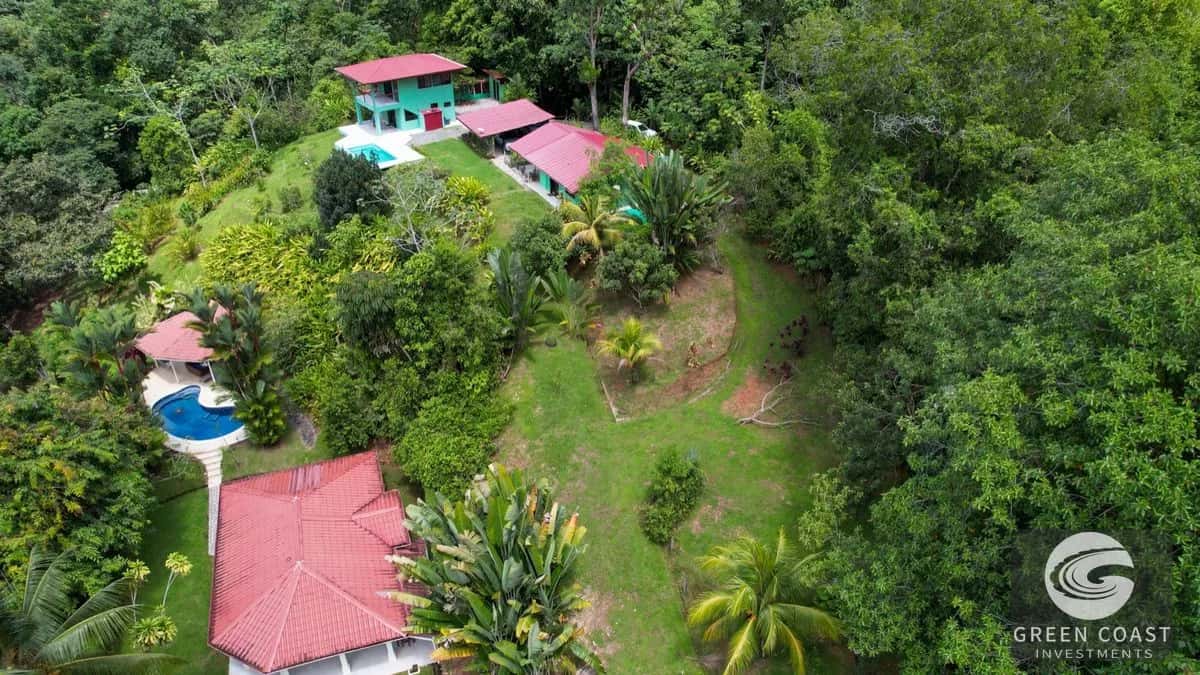
Are you planning to retire in Costa Rica? The most critical question you need to answer is: How much money do I need? For a retired couple, a comfortable, mid-range lifestyle generally requires a monthly budget of $2,500 to $4,000 USD, while those seeking a luxury coastal lifestyle in prime destinations should expect to spend between $5,000 and $9,000 USD per month.
Costa Rica remains a premier retirement destination due to its stable democracy, excellent healthcare, and natural beauty. However, the cost of living varies dramatically depending on your location, housing choices, and personal spending habits. Understanding these variables before you make the move is the key to securing a financially stable retirement.
By analyzing the legal residency requirements, day-to-day living expenses, and the carrying costs of premium coastal real estate, you can build a realistic financial plan. Whether you want to blend in with the local community or enjoy high-end oceanfront luxury, here is exactly what you need to budget for your new life in Costa Rica.
---
How Much Money Do I Need to Retire in Costa Rica?
To retire comfortably in Costa Rica, a retired couple generally needs a monthly budget of $2,500 to $4,000 USD. For those seeking a luxury coastal lifestyle in prime destinations like Nosara, Manuel Antonio, or the Papagayo Peninsula, expect monthly expenses to range from $5,000 to $9,000 USD. Your ultimate cost of living depends heavily on your housing choices, location, and personal spending habits.
Meeting the Legal Residency Requirements
Before planning your day-to-day budget, you must meet the legal financial thresholds set by the Costa Rican government. To retire here under the popular Pensionado (Pensioner) residency visa, the Dirección General de Migración y Extranjería (DGME) requires proof of a permanent, guaranteed lifetime pension or retirement income of at least $1,000 USD per month. This income can come from Social Security, state pensions, or private corporate pensions, and it covers both the primary applicant and their spouse.
Alternatively, the Rentista (Rentier) category requires proof of a guaranteed income of $2,500 USD per month for two years, or a bank deposit of $60,000 USD in a local Costa Rican bank. For those looking to buy real estate, the Inversionista (Investor) category requires a minimum investment of $150,000 USD in local real estate or business infrastructure.
| Residency Category | Minimum Financial Requirement | Key Target Audience |
| :--- | :--- | :--- |
| Pensionado | $1,000 USD / month (lifetime pension) | Retirees with Social Security or guaranteed pensions |
| Rentista | $2,500 USD / month (for 2 years) or $60,000 deposit | Self-employed, investors, or pre-retirees |
| Inversionista | $150,000 USD (real estate or business investment) | Property buyers and real estate investors |
Breaking Down a Baseline $3,000 Monthly Budget
While the legal minimum is $1,000 USD, a more realistic baseline for a comfortable, mid-range retirement lifestyle for a couple is $3,000 USD per month. This budget allows you to live in a desirable expat area, eat out regularly, and maintain a comfortable home.
In our years on this coast, we have seen that a typical $3,000 USD monthly budget generally breaks down into these core categories:
Housing (Rent or Home Maintenance):* $1,200 – $1,600 USD for a modern two-bedroom condo or home with a pool.
Utilities & High-Speed Internet:* $200 – $350 USD (heavily dependent on your air conditioning usage).
Groceries & Household Goods: $500 – $700 USD, mixing local farmer's markets (ferias*) with imported goods.
Healthcare (CAJA & Private Insurance):* $150 – $300 USD for the public system copay and a supplemental private policy.
Transportation:* $250 – $400 USD for fuel, car insurance, and occasional maintenance for a 4x4 vehicle.
Dining & Entertainment:* $300 – $500 USD for weekly dinners, beachside drinks, and local excursions.
The Cost of Coastal Luxury
If your dream retirement involves ocean views, private infinity pools, and high-end dining, your budget will adjust accordingly. In premium coastal enclaves like the Papagayo Peninsula or Nosara, luxury villa rentals, private security, regular maid service, and frequent dining at upscale restaurants push the monthly budget into the $5,000 to $9,000 USD range. In these areas, real estate values and import costs reflect the highly desirable, world-class nature of the local infrastructure.
---
What Kind of Lifestyle Are You Funding?
How much money do I need to retire in Costa Rica depends entirely on the gap between living like a local and replicating a high-end North American lifestyle. While a single retiree can live comfortably on $2,000 a month by adopting a traditional Costa Rican lifestyle, funding a luxury expat retirement in a premier coastal enclave typically requires a monthly budget of $5,000 to $8,000 or more.
The Local Integration Budget vs. The Luxury Expat Lifestyle
Living like a local—known as living tico—means renting a modest, non-A/C home, shopping at weekly outdoor farmers' markets (ferias), dining at local diners (sodas), and using public transit. This lifestyle is highly affordable but requires sacrificing many North American conveniences.
Conversely, the luxury expat lifestyle mirrors the comforts of a high-end US suburb. This budget funds a modern ocean-view villa, regular dining at upscale international restaurants, private medical care, and frequent travel.
The Costs of Comfort: Imports and Infrastructure
Many retirees are surprised by the premium price tag on imported comforts. If you cannot live without specific US brands, prepare for sticker shock: imported US food brands cost 30% to 40% more in Costa Rican supermarkets like Auto Mercado than they do in the United States due to high import tariffs and shipping costs.
Additionally, maintaining first-world infrastructure shifts your financial needle significantly:
Electricity:* Running central air conditioning continuously in a large coastal home can easily add $300 to $600 per month to your expenses.
Connectivity:* High-speed fiber-optic internet and premium cable packages run $70 to $150 monthly.
Security:* Gated community HOA fees or private security systems for standalone estates add $200 to $500 monthly to your overhead.
Geography Dictates Your Monthly Burn Rate
Your geographic footprint is the single largest variable in your monthly burn rate. The Central Valley—including cooler highlands like Atenas or Escazú—offers a lower cost of living because the temperate climate eliminates the need for air conditioning, and cheaper local goods are highly accessible.
Moving to the coast, particularly the Gold Coast of Guanacaste (home to Tamarindo and Las Catalinas) or premium Central Pacific hubs like Jacó, immediately inflates your budget. Coastal real estate commands a premium, utility costs are higher due to the heat, and local services cater to tourists, driving up the baseline cost of daily goods and entertainment.
---
Step-by-Step: Monthly Cost Breakdown for Coastal Luxury
To live a lifestyle of coastal luxury in Costa Rica, a retiring couple should budget between $5,000 and $8,000 USD per month. This budget comfortably funds high-end housing, continuous air conditioning, private healthcare, fine dining, and regular vehicle maintenance along the Pacific coast. While it is possible to live in Costa Rica for much less, securing a premium ocean-view lifestyle in active expat hubs like Jacó or the Gold Coast requires a clear understanding of specific luxury carrying costs.
Luxury Housing: Renting vs. Owning
Housing is the largest variable in your monthly budget. Renting a modern, fully furnished three-bedroom villa with a private pool and ocean views in a desirable coastal enclave ranges from $3,500 to $6,000 USD per month, depending on the season and proximity to the beach.
If you choose to purchase a similar luxury property outright, your monthly rent expense drops to zero, replaced by ownership carrying costs. For a luxury villa valued at $800,000 USD, expect the following monthly overhead:
HOA Fees:* $300 – $600 USD (covering 24/7 gated security, common area maintenance, and trash collection)
Property Taxes & Luxury Tax:* $150 – $250 USD (Costa Rica’s standard property tax rate is low at 0.25% of the declared value, plus a sliding-scale luxury home tax)
Home Insurance:* $100 – $200 USD
Pool and Garden Maintenance:* $150 – $250 USD
The Reality of Coastal Utilities
Electricity is the most surprising expense for unprepared expats. The state-run power utility, Instituto Costarricense de Electricidad (ICE), uses a progressive billing structure where higher consumption triggers higher rates per kilowatt-hour.
Running central air conditioning continuously in a 3,000-square-foot ocean-view home results in an average monthly electricity bill of $400 to $700 USD. To manage this cost, many luxury homeowners invest in solar panel systems or utilize zoned inverter A/C units in occupied rooms rather than cooling the entire villa. Other utilities are comparatively inexpensive: high-speed fiber-optic internet and cable packages cost $60 to $100 USD per month, while water service rarely exceeds $30 to $50 USD.
Healthcare: Public vs. Private Systems
Costa Rica operates on a dual healthcare system. As a legal resident, you must pay into the public healthcare system, known as the Caja Costarricense de Seguro Social (CAJA). The monthly CAJA fee is calculated as a percentage of your declared income, typically costing a retired couple $150 to $250 USD per month for full coverage with no deductibles or pre-existing condition exclusions.
However, most luxury retirees supplement CAJA with private insurance to access premium private hospitals in San José or local coastal clinics. Private health insurance premiums for a couple in their 60s average $350 to $600 USD per month through local providers like INS or international policies like BlueCross. This combination ensures immediate access to English-speaking specialists and top-tier medical facilities.
---
Renting vs. Buying: A Financial Comparison
To determine how much money do I need to retire in Costa Rica, you must decide between renting and buying, as this choice dictates your upfront capital and ongoing monthly cash flow. Renting a luxury villa in prime coastal regions like Guanacaste or the Southern Zone requires minimal upfront capital—typically just a security deposit and the first month’s rent—but leaves you exposed to rising rental markets. Conversely, purchasing luxury real estate requires significant liquid capital upfront, as traditional mortgage financing for non-residents is limited and carries high interest rates. However, buying outright eliminates your largest monthly line item (rent) and secures a permanent asset in a high-demand market.
Upfront Capital and Ongoing Ownership Costs
Purchasing a luxury home in coveted enclaves like Las Catalinas in Guanacaste or Dominical in the Southern Zone generally requires an outright cash investment starting at $800,000 to over $2,000,000. While this removes the burden of monthly rent, ownership introduces specific annual carrying costs that you must factor into your retirement budget.
Unlike the United States, where property taxes can heavily erode your retirement income, Costa Rica features highly favorable tax rates:
Standard Property Tax:* The national property tax rate is exceptionally low at just 0.25% of the municipal value.
Luxury Home Tax (Impuesto Solidario):* For homes valued over approximately $270,000, a sliding scale tax ranging from 0.25% to 0.55% applies annually.
Corporate Maintenance Fees: Because many expats hold their real estate assets within a Costa Rican corporation (sociedad anónima*) for liability and estate planning purposes, you must budget roughly $300 to $500 annually for corporate tax, resident agent fees, and mandatory share registry filings.
HOA and Maintenance Variables
While buying eliminates rent, it introduces variable expenses that renters do not have to manage. If you purchase a luxury villa within a gated community or a managed resort, Homeowners Association (HOA) fees can range from $300 to over $1,000 per month. These fees typically cover 24/7 security, common area maintenance, and sometimes water or trash collection.
Additionally, the tropical climate in coastal Costa Rica—characterized by high humidity, salt air, and intense rainy seasons—demands rigorous preventative maintenance. You should budget 1% to 2% of the home’s value annually for upkeep, pool servicing, and air conditioning maintenance to protect your investment.
What Do the Experts Say About Real Estate Costs?
When planning a move to the coast, understanding the true cost of entry is essential for long-term financial security. Having worked on this coastline since 2004, I always tell our buyers that your initial capital requirements depend heavily on the type of property you choose and the transaction fees associated with Costa Rican real estate.
The Reality of Coastal Property Values
Many buyers ask me, "How much money do I need?" and expect a simple number. The reality is that while Costa Rica offers incredible value, luxury coastal real estate in prime zones like Tamarindo or Dominical requires a realistic capital plan. You aren't just buying a home; you are investing in a lifestyle protected by robust title laws, where closing costs average 3.5% and annual holding costs remain remarkably low compared to North America.
For retirees, this means capital preservation is highly achievable, provided you account for upfront transaction fees. Closing costs in Costa Rica typically range from 3% to 4% of the purchase price. This sum covers the government transfer tax, registry fees, notary fees, and legal representation. For a $750,000 luxury villa in Jacó or Dominical, you should budget an additional $22,500 to $30,000 in cash to cover these transaction expenses.
Raw Land vs. Gated Communities
Your immediate cash flow needs will shift dramatically depending on whether you purchase raw land or a completed home within a gated community.
Raw Land:* Buying an undeveloped lot in areas like South Pacific's Dominical or the Gold Coast of Guanacaste often requires a lower initial purchase price. However, it demands significant immediate cash flow for soil testing, architectural fees, environmental permits (SETENA), water connections, and construction. Building from scratch also requires temporary housing funds while you wait 12 to 18 months for completion.
Gated Community Villas:* Purchasing a completed villa in a secure development requires more capital upfront but offers immediate occupancy and predictable costs. These properties streamline your financial planning by eliminating construction delays, permitting hurdles, and unexpected material cost inflation.
By aligning your property selection with a clear understanding of closing fees, you can accurately answer the question of how much money you need to secure your piece of the coast.
---
Common Financial Mistakes Expats Make When Moving
To retire comfortably in Costa Rica, you must avoid several critical financial blind spots that can quickly drain your savings. Many expats underestimate the true cost of living by failing to account for high vehicle import taxes, mandatory public healthcare contributions, and the aggressive maintenance required for tropical real estate. Anticipating these specific Costa Rican expenses ensures your retirement budget remains secure and predictable.
The True Cost of Importing and Owning a Vehicle
Many expats assume they can easily ship their current SUV to Costa Rica, only to face sticker shock at the port of entry. Costa Rica imposes a steep vehicle import tax ranging from 52.29% to 79.12% of the CIF (Cost, Insurance, Freight) value, depending on the age of the vehicle. Older cars are taxed at the higher end of this spectrum.
If you decide to buy locally instead, you will find that used cars hold their value exceptionally well, meaning you will pay a premium for a reliable four-wheel-drive vehicle. Additionally, annual road taxes (marchamo), high fuel prices, and the wear and tear of unpaved coastal roads can add hundreds of dollars to your monthly transit budget.
Underestimating Mandatory CAJA Healthcare Contributions
Securing residency in Costa Rica requires enrollment in the national public healthcare system, known as the Caja Costarricense de Seguro Social (CAJA). This monthly payment is not a flat fee; instead, it is calculated as a percentage of your declared income (typically ranging from 7% to 11% or more).
If you apply for residency under the pensionado (retired) category with a high monthly pension, your CAJA contribution will be higher than someone applying with the minimum required income. Failing to factor this progressive percentage into your monthly budget can lead to unexpected monthly expenses.
Neglecting the Cost of Currency Fluctuations
While the US dollar is widely accepted in Costa Rica, many of your day-to-day expenses—such as utility bills, CAJA payments, property taxes, and local groceries—are billed in Costa Rican Colones (CRC). The exchange rate between the USD and the CRC fluctuates based on macroeconomic factors.
If the US dollar weakens against the Colon, your purchasing power decreases, effectively raising your cost of living. Retirees who live on a fixed USD income must maintain a financial buffer to absorb these currency fluctuations without compromising their lifestyle.
Overlooking Exit Taxes and Travel Costs
Retirees often plan to visit family back home or travel internationally multiple times a year. These trips introduce additional costs that are frequently left out of baseline monthly budgets.
Beyond the price of airline tickets, Costa Rica charges an exit tax of $29 USD per person (which is usually, but not always, included in your airfare). You must also factor in the cost of private airport transfers or long-term parking at Juan Santamaría International Airport (SJO) in San José or Daniel Oduber Quirós International Airport (LIR) in Liberia.
Failing to Budget for Emergency Funds
A secure retirement requires a dedicated emergency fund held in a liquid account. Whether you face an unexpected medical emergency not covered by insurance, a major vehicle breakdown on a rough coastal road, or urgent repairs to your home after a severe tropical storm, having access to $10,000 to $20,000 USD in emergency cash prevents you from having to liquidate long-term investments or incur high-interest credit card debt.
---
Summary: Your Financial Roadmap to Costa Rica
Determining how much money you need to retire in Costa Rica depends on your choice of location, housing, and lifestyle. By understanding the legal residency requirements, analyzing the carrying costs of real estate, and budgeting for the unique expenses of tropical living, you can transition to your retirement with confidence.
| Budget Level | Monthly Cost Range | Housing Type | Primary Locations |
| :--- | :--- | :--- | :--- |
| Mid-Range | $2,500 – $4,000 USD | 2-Bedroom Condo / Home | Central Valley, Atenas, San Ramón |
| Premium Coastal | $5,000 – $7,000 USD | 3-Bedroom Villa with Pool | Tamarindo, Jacó, Dominical |
| Ultra-Luxury | $8,000 – $12,000+ USD | Oceanfront Estate / Resort Home | Papagayo Peninsula, Las Catalinas, Nosara |
With proper planning, realistic budgeting, and a clear understanding of local costs, you can secure a stable, comfortable, and financially sound retirement in one of Central America's most welcoming destinations.