
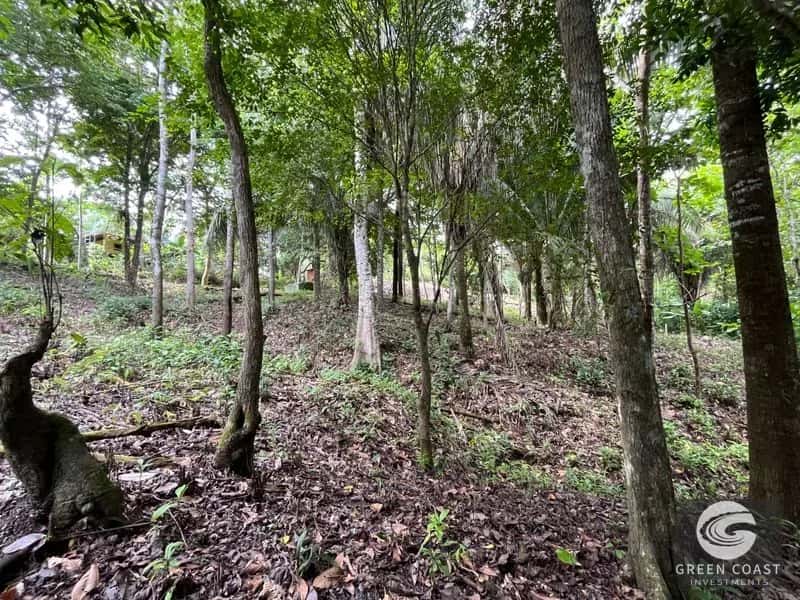
1.8-Acre Luxury Jungle Lot in Exclusive Quepos Gated Community – Perfect for Dream Home or Rental Estate — Buyer's Guide for Costa Rica Real Estate
For investors looking to buy property in Manuel Antonio, Costa Rica, this 1.8-acre luxury jungle lot in an exclusive Quepos gated community offers a premier opportunity to build a custom estate or high-yield rental property. Priced competitively within a market averaging $724,301, this expansive parcel combines secure, fee-simple ownership with unparalleled access to the region's top amenities. Foreign buyers enjoy full constitutional property rights, making this a highly secure asset in Costa Rica's most famous eco-tourism corridor.
In our years on this coast, we have watched the Quepos and Manuel Antonio micro-markets evolve into some of the most resilient real estate corridors in Central America. The local landscape is highly dynamic, and buyers must understand how micro-regions differ in infrastructure and long-term appreciation. Located within a biological corridor, this unique property allows you to live alongside local biodiversity while remaining minutes away from the world-class Marina Pez Vela. To understand the full potential of this location, you can explore the area and discover why global investors target this specific micro-market.
---
Overview
If you want to buy property in Manuel Antonio, Costa Rica, the legal framework is straightforward. Foreign buyers enjoy the exact same constitutional ownership rights as Costa Rican citizens. You can own titled land outright in your own name or through a local corporation, making this 1.8-Acre Luxury Jungle Lot in Exclusive Quepos Gated Community – Perfect for Dream Home or Rental Estate a secure and highly accessible investment. Located just minutes from the entrance of Manuel Antonio National Park, this expansive parcel offers a combination of raw tropical nature, ocean-view potential, and premium infrastructure.
Who This Guide Is For
This comprehensive buyer's guide is designed specifically for three types of real estate investors:
Custom Home Builders:* Buyers who want to design a bespoke luxury estate with a sprawling footprint, private pool, and guest houses, surrounded by a biological corridor of monkeys, sloths, and scarlet macaws.
Income-Property Investors:* Buyers looking to capitalize on the high-yield vacation rental market of the Central Pacific coast by building a high-end rental villa.
Expats and Retirees:* Individuals seeking a secure, private sanctuary within a gated community that offers peace of mind, high-speed fiber-optic internet, and easy access to the world-class Marina Pez Vela in Quepos.
Current Manuel Antonio Market Data
The real estate market in the Manuel Antonio and Quepos corridor remains highly competitive, driven by a finite supply of buildable land near the national park. To help position your investment, here is a snapshot of the current market inventory:
| Market Metric | Value (USD) |
| :--- | :--- |
| Active Listings | 72 properties |
| Price Range | $48,600 to $5,450,000 |
| Average Listing Price | $724,301 |
This 1.8-acre lot represents a premium tier of land, offering substantially more acreage than the average high-density lots found closer to the beach, while still keeping you within a short drive of both the national park and the regional airport.
---
Market Context
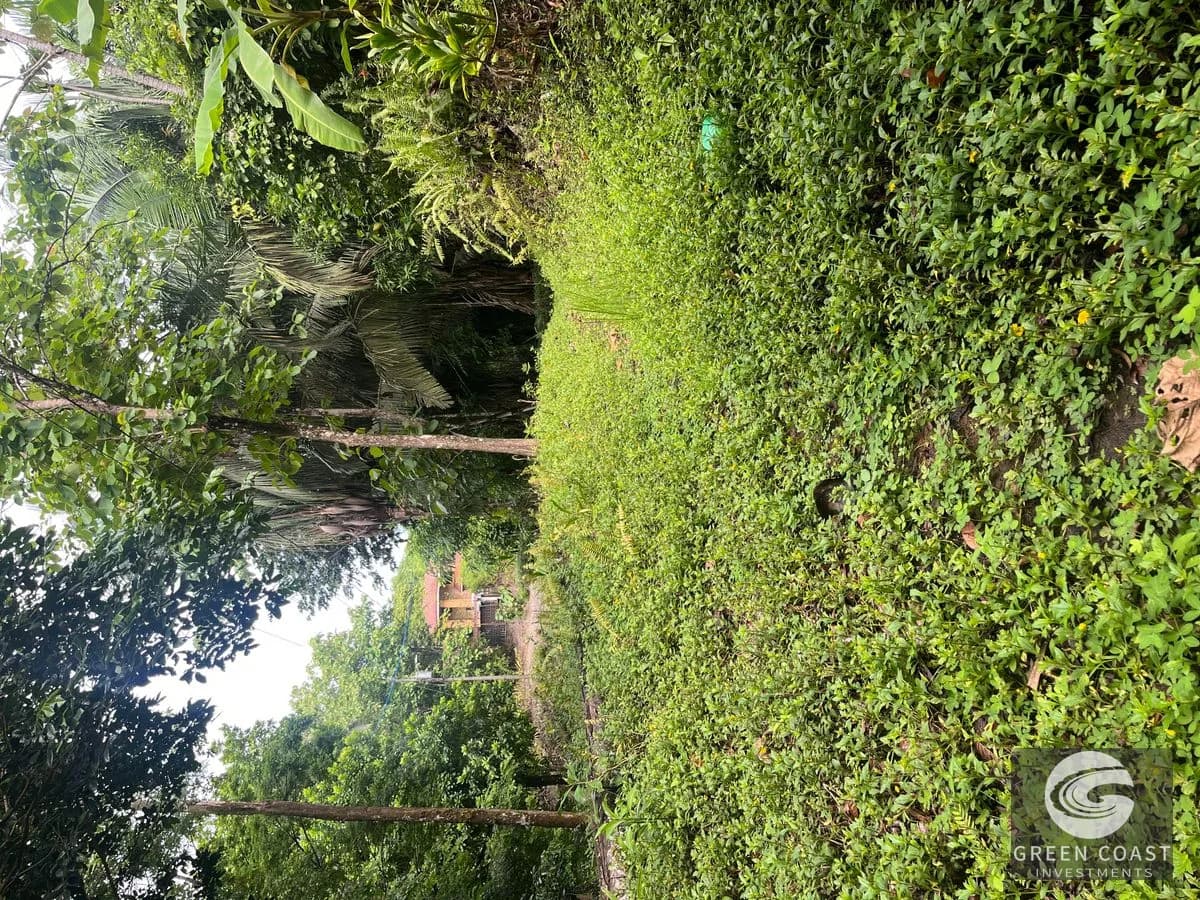
To buy property in Manuel Antonio, Costa Rica, is to enter one of the most competitive and high-performing micro-markets in Central America. Currently, the local inventory features 72 active listings ranging in price from $48,600 for small, undeveloped parcels up to $5,450,000 for premier luxury estates, with an average listing price of $724,301. This wide pricing spectrum reflects a market where raw land is increasingly scarce, driving premium valuations for larger acreage that offers both privacy and ocean views.
Current Inventory and Price Ranges
The Manuel Antonio and Quepos real estate market is defined by high demand and limited geography. Because the area is bordered by national parkland and steep coastal topography, inventory remains structurally constrained.
```
[Entry-Level: $48,600 - $250,000] ──► Small inland lots, older condos, raw land without infrastructure
[Mid-Market: $250,000 - $750,000] ──► Single-family homes, modern condos, premium raw land parcels
[Luxury Tier: $750,000 - $5.45M+] ──► Large-acreage jungle lots, multi-villa rental estates, ocean-view homes
```
On the ground, we categorize these properties into three distinct price bands. The entry-level segment consists primarily of smaller inland lots, older condominiums, or properties requiring significant infrastructure development. Moving into the mid-market, buyers find smaller single-family homes, modern condominiums, and premium raw land parcels. The luxury and estate level features large-acreage jungle lots, multi-villa rental estates, and ocean-view luxury homes that command premium nightly rates in the vacation rental market.
The 1.8-acre luxury jungle lot in Quepos sits at a strategic intersection of these tiers, offering the acreage of an estate-level property at an acquisition cost that allows for highly profitable custom construction.
What Buyers Compare Locally
When evaluating where to buy property in Manuel Antonio, Costa Rica, investors typically weigh three primary geographic alternatives along the Central Pacific coast.
Manuel Antonio vs. Quepos Proper
While Manuel Antonio is famous for its national park and immediate beach access, properties directly on the hill often suffer from traffic noise, high density, and premium pricing. Quepos offers gated privacy, larger acreage, and superior infrastructure—such as proximity to the Pez Vela Marina—frequently at a more competitive price per square foot.
The Southern Zone (Dominical and Uvita)
Buyers seeking large jungle lots often look further south to Dominical or Uvita. While these areas offer raw natural beauty, they lack the established tourism infrastructure, fine dining, and consistent rental yields found in the Quepos and Manuel Antonio corridor.
Northern Hubs (Jacó)
Investors looking for high-density condo living often compare this region to Jacó. However, Jacó appeals to a high-rise, urban-beach demographic, whereas Manuel Antonio and Quepos attract high-end eco-tourists and luxury buyers focused on canopy views, wildlife, and exclusive privacy.
---
Buying Process
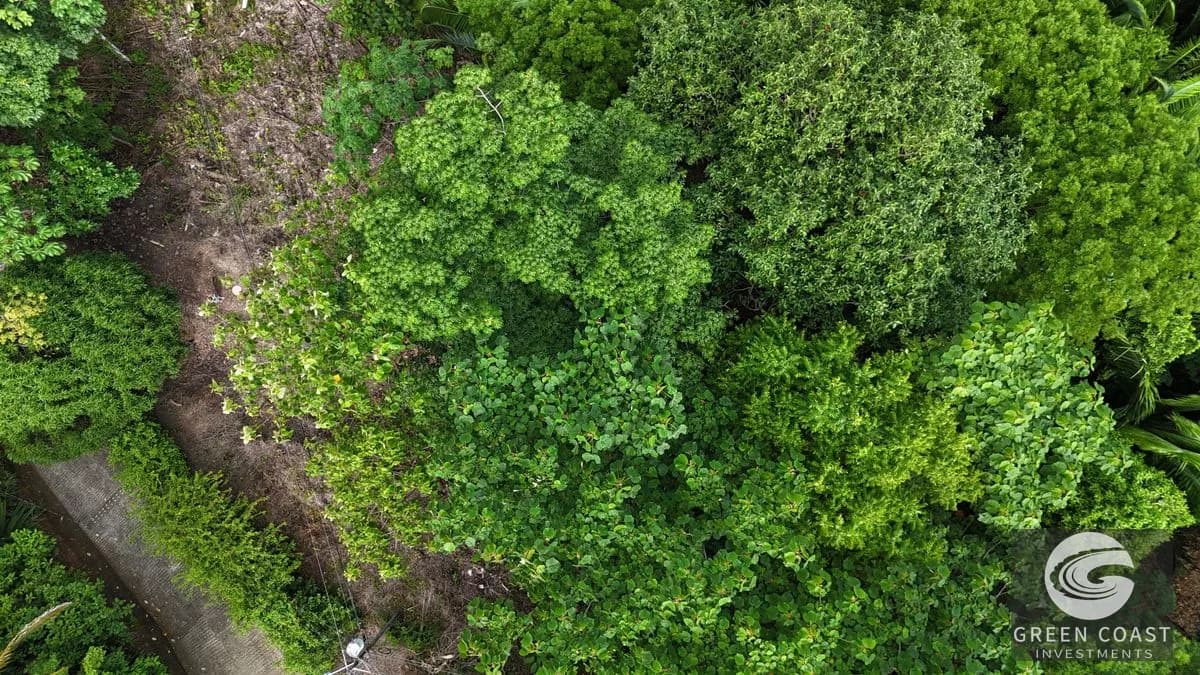
Foreigners can buy property in Manuel Antonio, Costa Rica, with the same fee-simple ownership rights as Costa Rican citizens. You do not need residency, citizenship, or a local partner to own this 1.8-acre luxury jungle lot outright. The transaction is secure, legal, and straightforward when conducted through a registered escrow agent and a local notary public (who also acts as a real estate attorney).
```
Step 1: Offer & SPA Signed ──► Step 2: 30-60 Day Due Diligence ──► Step 3: Escrow Funded ──► Step 4: Closing & Title Transfer
```
Foreign Ownership Basics
In Costa Rica, the constitution guarantees the right to private property ownership regardless of your nationality. You can purchase real estate in your personal name or, more commonly, through a newly formed Costa Rican corporation (Sociedad Anónima or Limitada). Purchasing through a corporation provides liability protection, asset protection, and simplifies the utility transfer process.
The only exception to fee-simple ownership is within the Maritime Zone (Zona Marítima), which governs land within 200 meters of the high-tide line. Because this exclusive Quepos gated community sits securely outside of this zone, you will receive 100% fee-simple title registered directly in the national registry (Registro Nacional).
Closing Timeline and Costs
The typical timeline to buy property in Manuel Antonio, Costa Rica, ranges from 30 to 60 days from the signing of the Sale and Purchase Agreement (SPA). This period allows your attorney to conduct thorough due diligence, including title searches, checking for active liens, verifying property tax standing, and confirming water availability.
Closing costs generally total about 3.5% to 4% of the purchase price. These costs are traditionally split 50/50 between the buyer and the seller, though this is negotiable. The standard breakdown includes:
Property Transfer Tax:* 1.5% of the registered value.
National Registry Fees:* Approximately 0.5%.
Notary/Attorney Fees:* Sliding scale starting at 1% to 1.25% of the purchase price.
Escrow Fees:* Approximately USD 1,000 to USD 1,500 for secure fund distribution.
Current Market Context
Navigating this process requires understanding the local inventory. There are currently 72 active listings in the immediate area. The market features a wide price range from USD 48,600 to USD 5,450,000, with an average listing price of USD 724,301. This wide spread underscores the value of securing a premium 1.8-acre lot within a secure gated community, where infrastructure is already established and your investment is protected by architectural guidelines. You can view listings to compare how this estate-sized parcel stands out against smaller, high-density options in the region.
---
Common Questions
Foreign buyers can legally own fee-simple land in Costa Rica with the same constitutional protections as citizens, making the acquisition of this 1.8-acre luxury jungle lot a secure investment. Whether you choose to buy property Manuel Antonio Costa Rica offers as a personal sanctuary or a high-yield rental estate, understanding the local financial and residency frameworks ensures a smooth transaction.
Financing and Taxes for Costa Rica Real Estate
Securing local bank financing as a non-resident in Costa Rica is difficult and carries high interest rates. Most international buyers purchase properties cash or utilize home equity lines of credit (HELOCs) from their home countries.
The ongoing carrying costs for this Quepos property are highly favorable compared to North American standards:
Property Taxes: The annual municipal property tax (impuesto territorial*) is low at just 0.25% of the registered property value.
Luxury Tax:* This tax only applies to residential buildings valued above a certain threshold (approximately $250,000 USD for the construction value alone, excluding land value).
Corporate Tax: If you hold the property in a Costa Rican corporation (Sociedad Anónima or Limitada*), expect a minor annual corporate tax of around $200 USD to $300 USD.
The local market remains highly competitive. Currently, there are 72 active listings in the immediate area, with a price range spanning from USD 48,600 to USD 5,450,000, and an average market price of USD 724,301. Securing a premium 1.8-acre lot within this inventory represents a strong equity position.
Residency Pathways and Lifestyle Fit
Purchasing this luxury lot puts you on a direct path to legal residency in Costa Rica. Under the country's updated investor visa program (inversionista), foreigners who invest a minimum of $150,000 USD in real estate or local assets qualify to apply for temporary residency. This status can be upgraded to permanent residency after three years.
The lifestyle in the Quepos and Manuel Antonio corridor balances raw nature with modern convenience. While your estate sits surrounded by canopy wildlife, you are only minutes from dining, a full-service marina, and modern medical facilities. For those split-living between locations, the property is highly accessible, located just a short domestic flight from San José or a scenic drive past coastal hubs like Jacó.
Securing this 1.8-acre luxury jungle lot allows you to build a custom legacy estate in one of Central America's most resilient and scenic real estate markets.
---
Step-by-Step Due Diligence Checklist for Buyers
To ensure your investment is fully protected before closing, your legal representative must complete the following due diligence steps:
1. National Registry Search: Verify that the seller holds clear, fee-simple title and that the property is free of any liens, mortgages, or judicial annotations.
2. Cadastral Map Verification: Confirm that the registered survey map (plano catastrado) matches the physical boundaries of the 1.8-acre lot and that there are no overlapping boundary claims with neighboring parcels.
3. Water Availability Certification: Obtain an official letter from the local water authority (AyA or the local ASADA) confirming that the lot has a secured, legal water connection. This is a mandatory requirement for obtaining a building permit.
4. Environmental Regulatory Check (SETENA): Verify that the property does not violate any forestry laws or protected wetland zones, ensuring that the planned building footprint complies with local environmental regulations.
5. Municipal Tax Standing: Confirm that all municipal property taxes and corporate taxes are paid up to date through the closing date.
6. HOA Regulations Review: Review the specific bylaws and architectural guidelines of the Quepos gated community to ensure your planned custom home or rental estate complies with construction standards, height limits, and setback requirements.
---
Understanding the Local Infrastructure and Topography
When analyzing a parcel of this scale, the physical characteristics of the land dictate the overall build cost and design options. In our years on this coast, we have seen buyers underestimate the importance of topography and water management. This 1.8-acre parcel features a series of natural terraces that allow for a multi-tiered development. You can construct a main residence on the primary upper terrace to maximize potential ocean views and breezes, while using the lower elevations for independent guest villas or a private pool house.
Because the lot is located within an established gated community, the primary infrastructure is already at the property line. Electricity is supplied by the local utility provider (ICE), and high-speed fiber-optic internet is available from multiple local carriers. This eliminates the significant costs and delays associated with bringing utilities to raw, off-grid jungle parcels.
Furthermore, the internal roads of the community are fully paved and designed with engineered drainage systems. This is a critical factor during the green season when heavy tropical rainfall can quickly erode unpaved dirt roads. Having secure, year-round access ensures that construction vehicles can access the site without delay and that your future guests can reach the property in any standard rental vehicle.
---
The Economics of a High-Yield Rental Estate
For buyers focusing on the financial returns of their investment, the Quepos and Manuel Antonio micro-market presents some of the strongest rental metrics in the country. Because the area has strict zoning laws and limited space for expansion, luxury rental villas command premium rates. A modern, four-bedroom villa built on this lot can generate significant weekly rental income, particularly during the high season from December through April.
To optimize a rental property in this market, we advise clients to focus on specific design elements that appeal to high-end travelers:
En-Suite Bathrooms:* Every bedroom should have its own private bathroom, ideally with outdoor tropical showers to emphasize the jungle experience.
Expansive Covered Terraces:* Outdoor living spaces are where guests spend ninety percent of their time. Large covered decks protect guests from both the midday sun and passing tropical showers.
Infinity Edge Pools:* A pool that appears to merge with the surrounding jungle canopy is a primary selling point in online listings and marketing materials.
Professional Property Management:* Utilizing a local management firm ensures that your property is maintained to five-star standards, handling guest check-ins, cleaning, and preventative maintenance while you are out of the country.
By building a custom estate on a 1.8-acre lot, you retain control over the design quality, materials, and overall layout. This allows you to enter the market with a brand-new asset that stands out against older, dated inventory in the region.
---
Navigating the Building Permit Process in Costa Rica
Building a home in a foreign country can seem daunting, but the process in Costa Rica is highly regulated and transparent. Once you have closed on the property, your first step is to hire a registered local architect or civil engineer. All construction plans must be submitted to the College of Engineers and Architects (CFIA) for approval.
The CFIA reviews the plans to ensure they meet national building codes, seismic standards, and environmental regulations. After CFIA approval, the plans are submitted to the local municipality of Quepos for the final building permit. This process typically takes between three to six months, depending on the complexity of the design and the workload of the local municipal office.
Working with an experienced local builder who understands the unique soil conditions and weather patterns of the Central Pacific coast is essential. Proper soil testing (estudio de suelos) must be completed before foundation design begins. Because Costa Rica is a seismically active country, structural engineering standards are rigorous, requiring reinforced concrete foundations and steel framing for larger structures. By partnering with the right local professionals, you can ensure that your dream home is built to last and fully complies with all local regulations.