
Why Manuel Antonio Real Estate is a Prime Investment for Luxury Buyers
Manuel Antonio real estate offers significant opportunities for luxury buyers seeking natural beauty, upscale amenities, and strong investment potential. The region, particularly the corridor between Manuel Antonio and Dominical, is recognized for its rainforests, coastlines, and proximity to national parks. This combination creates a compelling proposition for investors. For those interested in large parcels, such as the 17.2-acre property highlighted in this guide, the goal is to acquire a significant asset with substantial development potential in a high-demand market. The area's consistent appeal to affluent tourists and residents ensures appreciation of property values, making it a sound long-term investment.
The market data supports this investment climate. There are 41 active listings in Manuel Antonio, with a price range from USD 48,600 to USD 5,000,000, and an average price of USD 666,643. This market caters to various investment levels, from entry-level plots to expansive luxury estates. Demand for properties in Manuel Antonio is driven by its reputation as a premier eco-tourism destination, offering a luxurious lifestyle alongside natural experiences. Buyers are drawn to the area for Manuel Antonio National Park, its beaches, and a growing infrastructure of high-end restaurants, boutiques, and services. Investing in manuel antonio real estate means securing a piece of an internationally recognized destination, ensuring both personal enjoyment and financial returns.
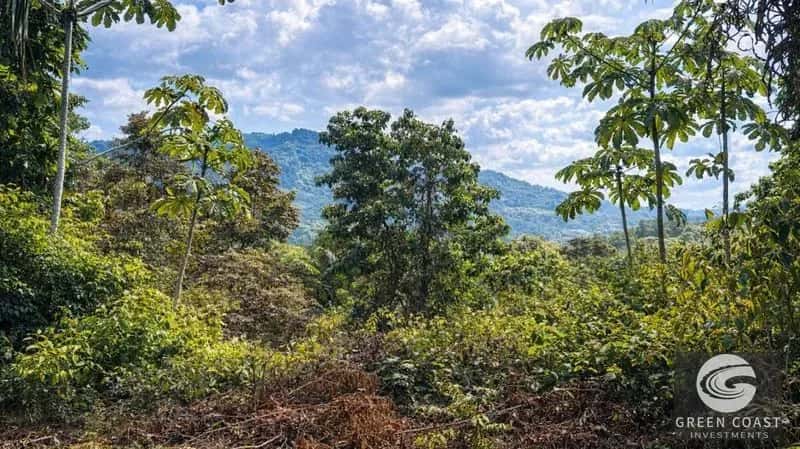
Spotlight: 17.2 Acres in the Heart of the Rainforest – Your Coastal Property Between Manuel Antonio & Dominical

This featured 17.2-acre parcel presents an opportunity for luxury buyers seeking significant land in a coveted Costa Rican locale. Situated in the Manuel Antonio/Quepos region, this lot offers an expansive canvas for development, blending accessibility with untouched nature. The current market for manuel antonio real estate shows 41 active listings, ranging from USD 48,600 to USD 5,000,000, with an average price of USD 666,643. Priced at USD 449,000, this property stands as an attractive entry point for a substantial landholding in this high-demand area.
This coastal location provides the advantage of being positioned between the amenity-rich town of Manuel Antonio and the more serene, surf-centric vibe of Dominical. Buyers can enjoy the dining, national park, and social scene of Manuel Antonio, while also having easy access to Dominical's tranquil beaches and charm. The property itself is a rainforest sanctuary, offering privacy and direct immersion in Costa Rica's biodiversity, a draw for luxury eco-conscious investors.
The size of this 17.2-acre parcel opens up diverse development possibilities. Imagine creating a private luxury estate, with bespoke residences, extensive gardens, and private trails winding through your personal rainforest. Alternatively, the land is suitable for an eco-resort development, catering to discerning travelers seeking sustainable luxury and authentic nature experiences. For investors aiming for multiple high-end residences, the acreage allows for thoughtful planning and generous spacing, ensuring exclusivity and preserving the natural integrity of the surroundings. The USD 449,000 price point for such a significant and strategically located lot in the Manuel Antonio/Quepos region offers considerable value, especially when considering the average price of land in this sought-after market.
What are the zoning regulations for developing 17+ acres in Manuel Antonio, Quepos?

Developing a significant parcel like 17.2 acres in Manuel Antonio, Quepos, requires understanding of the local zoning laws, primarily governed by the Plan Regulador of the Quepos municipality. This municipal plan dictates permissible land uses, density, and building specifications to ensure organized and sustainable development. For large parcels, the Plan Regulador will outline specific zones (e.g., residential, commercial, mixed-use, conservation) that determine what can be built and to what extent. Given the area's focus on tourism and environmental preservation, eco-tourism projects, luxury residential estates, or a combination thereof are often permissible, subject to detailed review. Currently, manuel antonio real estate shows 41 active listings with a price range of USD 48,600–5,000,000 and an average of USD 666,643, highlighting the diverse development potential.
Permissible Land Uses and Setbacks
For a property of this size, the Plan Regulador will specify the allowed land uses. While single-family luxury homes are generally permitted, larger developments might explore boutique hotels, eco-lodges, or multi-unit residential communities. Strict setback regulations apply. These include mandatory distances from public roads, rivers, and especially the Maritime Terrestrial Zone (ZMT), which typically extends 200 meters inland from the high tide line and is subject to special concession laws. Any development within or adjacent to environmentally sensitive areas will face heightened scrutiny and more stringent setback requirements to protect natural habitats and water sources.
Beyond the ZMT, specific setbacks from natural water bodies (rivers, streams, estuaries) are enforced, often requiring a minimum distance of 10 to 50 meters depending on the water body's classification. These riparian zone setbacks are critical for protecting water quality and aquatic ecosystems. Additionally, setbacks from property lines and public infrastructure (e.g., power lines, pipelines) must be observed. The Plan Regulador also designates areas for public use, such as parks or green spaces, which may impact developable area on large parcels. Understanding these various setback requirements is fundamental to accurate site planning and maximizing the usable land.
Density and Building Height Limitations
Density restrictions are a key component of the Plan Regulador, limiting the number of units or the total buildable area per acre. These regulations are designed to prevent overdevelopment and maintain the area's natural charm and infrastructure capacity. For large parcels, density is often calculated based on the total land area, with specific allowances for different types of development. For example, a luxury eco-resort might have a lower density allowance per acre than a residential subdivision, reflecting the desire to preserve open space and natural features.
Building height limitations are also enforced, often capping structures at two or three stories to preserve scenic views and integrate buildings harmoniously with the rainforest canopy. These limitations ensure that even luxury developments maintain a low-impact profile consistent with the region's ecological values. In some areas, height restrictions may also be influenced by proximity to the coastline or specific view corridors. The Plan Regulador may also specify maximum lot coverage (the percentage of the lot that can be covered by structures) and minimum green space requirements, further shaping the development footprint.
Expert Consultation is Essential
Navigating the complexities of Costa Rican zoning laws for a large-scale project necessitates early consultation with local legal counsel specializing in real estate and land use, as well as experienced architectural and engineering firms familiar with Quepos's specific regulations. These experts can provide invaluable guidance on interpreting the Plan Regulador, identifying potential challenges, and ensuring your development plans align with all municipal and national environmental requirements. Their expertise is critical for a smooth permitting process and successful project execution. Local professionals are also adept at understanding the nuances of municipal interpretations, which can sometimes vary, and can help anticipate and address potential issues before they become significant obstacles.
How does the investment potential of undeveloped land in Manuel Antonio compare to developed properties?
Investing in undeveloped land in Manuel Antonio, particularly large parcels like the 17.2-acre property, often presents a compelling long-term return on investment (ROI) advantage over existing homes or condos. While developed properties offer immediate rental income potential, undeveloped land provides greater flexibility for customization and, historically, higher appreciation rates in a growing luxury market. The current market for undeveloped land in the Manuel Antonio/Dominical corridor shows 41 active listings, with a price range from USD 48,600 to USD 5,000,000 and an average price of USD 666,643. Our featured 17.2-acre lot, priced at USD 449,000, sits comfortably below the average, representing a strategic entry point for significant future gains.
Appreciation and Customization Advantages
Large parcels of undeveloped land in prime coastal areas like Manuel Antonio have consistently demonstrated strong appreciation, driven by increasing demand from luxury buyers seeking privacy and bespoke development opportunities. Unlike existing homes, which may require renovations to meet specific tastes, undeveloped land allows for complete customization, from architectural design to sustainable building practices tailored to the rainforest environment. This freedom from existing structures often translates to lower initial property taxes, further enhancing the long-term financial appeal. The potential for higher long-term gains stems from the scarcity of large, developable tracts in desirable locations and the ability to create a truly unique, high-value asset. Furthermore, the ability to implement modern, energy-efficient, and sustainable building technologies from the ground up can result in lower operating costs and higher market appeal for the finished product.
Factors Influencing Investment Value
Several critical factors influence the investment potential of undeveloped land in the Manuel Antonio area. Continued infrastructure development, such as improved roads and utilities, directly enhances accessibility and desirability, driving up land values. Robust tourism growth in Manuel Antonio and the wider Quepos region ensures a steady stream of potential buyers and renters for future developments. Furthermore, local and national conservation efforts, while sometimes imposing development restrictions, also protect the natural beauty that makes the region so attractive, thereby preserving and enhancing property values over time. Strategic investment in a property like the 17.2-acre parcel aligns with these growth trajectories, positioning buyers for substantial appreciation. The specific topography of the land, including ocean views, access to water sources, and existing mature trees, also significantly impacts its value and development potential.
What sustainable building practices are recommended for luxury rainforest properties in Costa Rica?
For luxury rainforest properties in Costa Rica, sustainable building practices prioritize minimizing environmental impact while maximizing harmony with the natural surroundings. This involves eco-friendly construction techniques, careful material selection, and strategic integration of architecture with the rainforest ecosystem. With active listings for manuel antonio real estate ranging from USD 48,600 to USD 5,000,000, and an average price of USD 666,643, discerning buyers are increasingly seeking properties that reflect a commitment to environmental stewardship.
Eco-Friendly Construction and Materials
Focus on construction methods that reduce disturbance to the delicate rainforest floor and its inhabitants. This includes using low-impact foundations, such as pier and beam, to minimize excavation and allow for natural water flow and root systems. For materials, prioritize locally sourced, certified sustainable timber to support the regional economy and reduce transportation emissions. Incorporate recycled content materials where possible, such as recycled plastics for decking or reclaimed metals for structural elements. Opt for natural, non-toxic finishes and paints to maintain indoor air quality and prevent chemical runoff into the environment. Additionally, consider using permeable paving materials for driveways and walkways to reduce stormwater runoff and replenish groundwater.
Minimizing Environmental Footprint
Implement strategies to significantly reduce the property's ecological footprint. Rainwater harvesting systems are crucial for collecting and filtering water for non-potable uses like irrigation and toilet flushing, reducing reliance on municipal water sources. Solar energy installations, including photovoltaic panels for electricity and solar water heaters, can dramatically cut energy consumption and carbon emissions. Advanced wastewater treatment systems, such as biodigesters or constructed wetlands, are essential for treating greywater and blackwater on-site, ensuring no harmful pollutants enter the surrounding ecosystem. Beyond energy and water, consider waste management strategies, including composting organic waste and comprehensive recycling programs, to minimize landfill contributions.
Integrating Architecture with Nature
Design should prioritize open-air concepts and natural ventilation to reduce the need for air conditioning, leveraging the prevailing breezes and strategic window placement. Orient structures to optimize natural light, minimizing artificial lighting requirements during the day. Employ large overhangs and deep verandas to provide shade and protection from rain while extending living spaces outdoors. Crucially, site buildings to minimize tree removal and land grading, allowing the architecture to flow with the existing topography rather than imposing upon it. This approach preserves the natural beauty and ecological integrity of the property. Incorporate native landscaping that requires minimal irrigation and provides habitat for local wildlife, further blending the built environment with the natural one.
Green Building Certifications
Consider pursuing green building certifications to validate sustainable efforts and enhance property value. While LEED (Leadership in Energy and Environmental Design) is an internationally recognized standard, Costa Rica also has local equivalents and initiatives promoting sustainable construction. Engaging with local architects and builders experienced in these certifications can ensure compliance and adherence to best practices for luxury rainforest developments. Certifications provide third-party verification of environmental performance, offering transparency and credibility to buyers who prioritize sustainability. They can also provide a structured framework for integrating sustainable practices throughout the design and construction process.
What unique wildlife and natural features can I expect on a large coastal lot near Manuel Antonio?
A large coastal lot near Manuel Antonio offers an opportunity to immerse yourself in Costa Rica's biodiversity. The Manuel Antonio/Quepos region is renowned for its dense rainforests meeting the Pacific Ocean, creating a unique ecosystem teeming with life. Property owners can expect daily encounters with iconic Costa Rican wildlife, transforming their private residence into a personal nature sanctuary.
Common Wildlife Sightings and Biodiversity
The rich biodiversity of this area means your property will be a natural habitat for a wide array of species. It's common to see all three species of Costa Rican monkeys—howler, capuchin, and squirrel monkeys—swinging through the canopy. Sloths, both two-toed and three-toed, are frequently spotted, often moving slowly through trees or even crossing roads. The skies are alive with vibrant toucans, macaws, and a multitude of other tropical bird species, making birdwatching a daily pleasure. Ground dwellers like iguanas, agoutis, and various amphibians and reptiles also contribute to the ecological tapestry. The sheer volume of flora and fauna creates a dynamic, living landscape right on your doorstep. Beyond the commonly seen species, a large parcel increases the likelihood of encountering less common animals such as anteaters, armadillos, and various wild cats (though these are typically elusive).
Preserving Natural Corridors and Habitats
Owning a significant parcel of land, such as 17.2 acres, comes with the privilege and responsibility of preserving natural corridors. These corridors are vital for wildlife movement, allowing animals to travel safely between different parts of the forest and access water sources. Green Coast Investments advocates for development that respects these natural pathways, ensuring minimal disruption to the existing ecosystem. Implementing sustainable landscaping practices and avoiding fragmentation of the forest are key to maintaining the ecological integrity of your property and the surrounding area. This includes maintaining buffer zones along streams and rivers, planting native species, and minimizing artificial light pollution, which can disorient nocturnal animals.
Private Nature Trails and Observation Decks
The expansive nature of a large lot provides ample space to create private nature trails, allowing you to explore your own piece of the rainforest at your leisure. Imagine morning walks through lush foliage, discovering hidden streams, or simply enjoying the sounds of the jungle. Strategically placed observation decks can offer incredible vantage points for wildlife viewing, birdwatching, or simply enjoying panoramic views of the forest and, potentially, the ocean. These features not only enhance your personal enjoyment but also add significant value to the property, appealing to luxury buyers who prioritize privacy and a deep connection with nature. The design of these trails can incorporate educational signage about local flora and fauna, enriching the experience for residents and guests.
The Value of a Private Rainforest Sanctuary
For luxury buyers, owning a private piece of the rainforest near Manuel Antonio is an investment in an exclusive lifestyle. It offers solitude, natural beauty, and a direct connection to one of the world's most biodiverse regions. With an average price of USD 666,643 among the 41 active listings in the area (ranging from USD 48,600 to USD 5,000,000), a large, undeveloped coastal lot presents a unique opportunity to create a bespoke luxury estate that harmonizes with its natural surroundings. This direct access to pristine nature, combined with the region's amenities, makes it a highly sought-after asset. The long-term value is further enhanced by the increasing global demand for properties that offer both luxury and genuine ecological immersion.
What are the key considerations for obtaining permits for a significant development project in Quepos?
Obtaining permits for a significant development project in Quepos, especially for a large tract like 17.2 acres, requires a structured approach and an understanding of Costa Rica's regulatory framework. The process typically begins with an environmental impact assessment (DIA), followed by securing construction permits (Permiso de Construcción) and water permits (SENARA). Expect a multi-stage process that can take considerable time, making the engagement of experienced local professionals essential for efficient navigation.
Step-by-Step Permitting Process for Large-Scale Developments
The permitting process for large-scale developments in Costa Rica is comprehensive. It generally starts with preliminary consultations with the local municipality (Municipalidad de Quepos) to understand specific zoning and land-use regulations. This is followed by the preparation and submission of a detailed environmental impact assessment (DIA) to SETENA (Secretaría Técnica Nacional Ambiental). This assessment is a critical and often lengthy phase, requiring biological studies, hydrological analyses, and socio-economic impact evaluations. Once the DIA is approved, you can proceed with architectural and engineering plans for the construction permit (Permiso de Construcción), which is issued by the municipality. Concurrently, water availability and usage permits must be secured from SENARA (Servicio Nacional de Aguas Subterráneas, Riego y Avenamiento) or the local ASADA (Administración de Sistemas de Acueductos y Alcantarillados). Additional permits may be required depending on the project's scope, such as those from the Ministry of Health (Ministerio de Salud) for certain infrastructure, or from the Ministry of Public Works and Transport (MOPT) for road access modifications. Each stage involves specific documentation, review periods, and potential requests for additional information.
Required Permits and Documentation
For a project of this scale, the primary permits include:
Environmental Impact Assessment (DIA):* This is a critical initial step, evaluating the project's potential environmental effects and outlining mitigation strategies. Approval from SETENA is mandatory before construction can begin. The DIA report includes detailed descriptions of the project, the baseline environmental conditions, potential impacts, and proposed mitigation and monitoring plans.
Construction Permit (Permiso de Construcción): Issued by the Municipalidad de Quepos, this permit requires approved architectural plans, engineering designs (structural, electrical, plumbing), and often proof of the DIA approval. Plans must adhere to the Plan Regulador* and national building codes.
Water Permits (SENARA/ASADA):* Essential for any development, these permits confirm the availability and legal right to use water resources. This often involves hydrological studies to demonstrate sustainable water extraction or connection to existing municipal water systems.
Land Use Permit (Uso de Suelo): Issued by the municipality, this confirms that the proposed development aligns with the zoning regulations of the Plan Regulador*.
Fire Safety Permit (Permiso de Bomberos):* Required from the Costa Rican Fire Department, ensuring the project meets fire safety standards.
Sanitary Operating Permit (Permiso Sanitario de Funcionamiento):* From the Ministry of Health, particularly for commercial or multi-unit residential projects, ensuring health and sanitation standards are met.
Timeline Expectations and Potential Challenges
The timeline for obtaining all necessary permits can vary significantly, often ranging from 12 to 24 months, or even longer for complex projects. Challenges can arise from bureaucratic delays, requests for additional information, or unforeseen environmental considerations. SETENA's review process, in particular, can be extensive, involving multiple rounds of revisions. Thorough preparation of all documentation and proactive communication with regulatory bodies can help mitigate these issues. Changes in municipal administration or national environmental policies can also introduce delays or new requirements. It is prudent to factor in buffer time for unexpected hurdles.
Importance of Engaging Local Professionals
Engaging experienced local architects, engineers, and environmental consultants is not merely recommended but crucial. These professionals possess an in-depth understanding of Costa Rican building codes, environmental regulations, and local administrative procedures. Their expertise can streamline the process, ensure compliance, and effectively address any challenges that may arise. Local lawyers specializing in real estate and environmental law are also invaluable for navigating legal complexities and ensuring all land titles and permits are correctly processed. Their established relationships with local authorities can also facilitate smoother communication and faster processing.
Tips for a Smooth and Efficient Permitting Process
To facilitate a smoother and more efficient permitting process:
Early Consultation:* Begin with early and frequent consultations with the Municipalidad de Quepos and other relevant agencies to understand all requirements upfront.
Comprehensive Documentation:* Ensure all submitted documents are complete, accurate, and meet all specified requirements, avoiding common errors that lead to rejections.
Proactive Communication:* Maintain open lines of communication with all regulatory bodies and respond promptly to any inquiries or requests for additional information.
Local Expertise:* Leverage the knowledge and connections of local professionals to navigate the system effectively, as they can anticipate potential issues and offer solutions.
Phased Approach:* For very large projects, consider a phased development approach, which can sometimes simplify initial permitting stages.
Currently, manuel antonio real estate shows 41 active listings, with a price range from USD 48,600 to USD 5,000,000, and an average price of USD 666,643. This market context underscores the value of strategic development.
Manuel Antonio vs. Dominical: Which Lifestyle Suits Your Luxury Investment?
Choosing between Manuel Antonio and Dominical for your luxury real estate investment hinges on your desired lifestyle and long-term goals. Manuel Antonio offers a more developed, amenity-rich experience centered around its national park, while Dominical presents a more tranquil, surf-oriented, and eco-conscious environment. The 17.2-acre property's strategic location between these two distinct areas provides the unique advantage of accessing the best of both worlds, allowing investors to tailor their experience or development to either preference.
Manuel Antonio: The Established Luxury Hub
Manuel Antonio is synonymous with established tourism, upscale amenities, and a lively social scene. Its fame stems largely from Manuel Antonio National Park, drawing visitors globally to its pristine beaches and abundant wildlife. This area has a well-developed infrastructure, including a wide array of fine dining restaurants, boutique shops, and luxury accommodations. For investors, this translates to a robust rental market, making properties here attractive for vacation rentals and those seeking a more social and convenient lifestyle. The current market for manuel antonio real estate shows 41 active listings, with prices ranging from USD 48,600 to USD 5,000,000, and an average price of USD 666,643, reflecting a diverse but generally upscale market. The area also benefits from proximity to the Quepos Marina Pez Vela, a world-class marina offering sport fishing and yachting services, further enhancing its luxury appeal.
Dominical: The Bohemian Eco-Conscious Retreat
South of Manuel Antonio, Dominical presents a stark contrast. This laid-back, surf-centric town appeals to those seeking a deeper connection with nature and a more relaxed pace of life. Known for its consistent waves, Dominical attracts surfers and eco-tourists alike. The community here is highly conscious of sustainable living and environmental preservation, fostering a bohemian atmosphere. Infrastructure is less developed than in Manuel Antonio, contributing to its untouched charm. For luxury buyers, Dominical offers larger, more private parcels of land, ideal for creating secluded estates or eco-lodges that blend with the rainforest. This area is perfect for those prioritizing tranquility, outdoor adventure, and a commitment to sustainable living. Dominical also serves as a gateway to other natural attractions, including Nauyaca Waterfalls and Hacienda Barú National Wildlife Refuge, appealing to those who value outdoor exploration.
Accessing Both Worlds from Your 17.2-Acre Property
The 17.2-acre property's location is a significant asset, bridging the gap between these two complementary coastal towns. From this central point, you can easily drive to Manuel Antonio for an evening of gourmet dining or a day at the national park. Conversely, a short drive south takes you to Dominical for surfing, yoga, or exploring its local markets. This dual access allows for flexibility in lifestyle and development strategy. A luxury buyer could develop a private estate that offers seclusion and nature while still having convenient access to Manuel Antonio's amenities, or create a boutique eco-resort that leverages the appeal of both destinations. The choice ultimately depends on whether your vision leans towards the established luxury and convenience of Manuel Antonio or the serene, nature-focused appeal of Dominical. This strategic positioning maximizes the property's market appeal, catering to a broader range of luxury buyer preferences.