
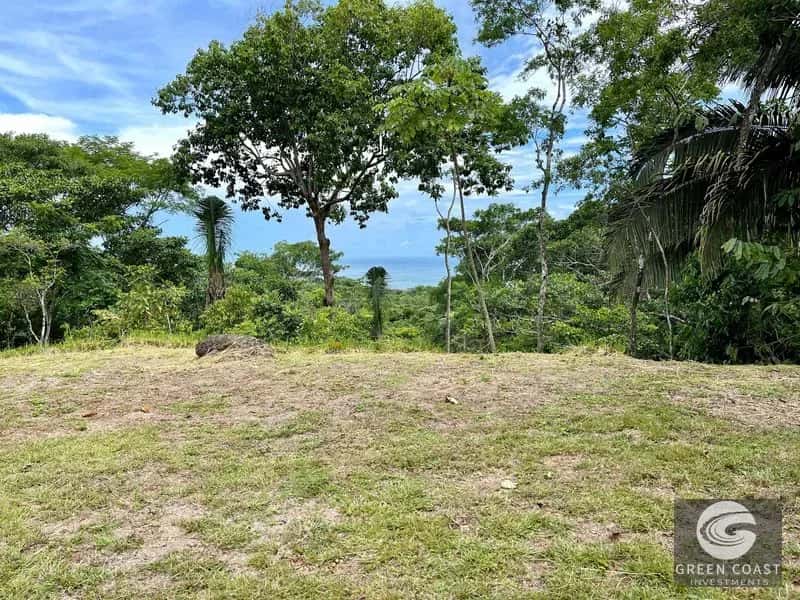
What are the benefits of buying a 2.4-acre ocean-view lot with a creek in a Costa Rican gated community?
Purchasing a 2.4-acre ocean-view lot with a private creek, surrounded by rainforest within a gated community in Costa Rica, offers natural beauty, security, and investment potential. This combination provides privacy, connection to nature, and access to amenities, making it a desirable asset in the Costa Rican real estate market, particularly in areas like Lagunas.
Intrinsic Value: Ocean Views, Rainforest, and Private Creek
The value of such a property is clear. An ocean view in Costa Rica is a premium feature, offering vistas and a connection to the Pacific. Combined with a natural rainforest setting, the property becomes a private sanctuary, rich in biodiversity. The presence of a private creek enhances this appeal, providing a water feature, potential for natural landscaping, and tranquility. This combination of ocean views, rainforest, and a private creek creates an environment that is both visually appealing and ecologically rich, offering an immersive natural experience.
Exclusivity, Security, and Amenities
Gated communities in Costa Rica, especially those offering luxury properties, provide exclusivity and security valued by international buyers. These communities typically feature controlled access, 24/7 surveillance, and often on-site management. Residents benefit from shared amenities that can include paved roads, reliable utilities, clubhouses, swimming pools, and sometimes private trails or beach access. This infrastructure and communal living enhance the quality of life and protect the investment.
Lifestyle Advantages: Privacy and Community
The lifestyle afforded by a large, private lot within a gated community is notable. Owners enjoy the privacy of their expansive 2.4 acres, allowing for custom home design without immediate neighbors. Simultaneously, they gain access to a community of like-minded individuals, fostering a sense of belonging and opportunities for social engagement. This balance of secluded natural living and community access is a significant draw for those seeking a tranquil yet connected lifestyle.
Long-Term Appreciation Potential
Unique, large lots in desirable locations like Lagunas, Costa Rica, demonstrate strong long-term appreciation potential. The scarcity of properties offering ocean views, substantial acreage, and natural features like a private creek, especially within a secure gated community, drives demand. As Costa Rica continues to attract international attention for its natural beauty and stable economy, properties with these distinct characteristics are likely to see sustained value growth. Active listings range from USD 80,000 to USD 90,000,000, with an average price of USD 5,778,448, indicating the value placed on premium properties. The specific '2.4 ACRES – Ocean View Lot With Creek Surrounded By Rainforest In Gated Community!!' property represents an opportunity for both personal enjoyment and a sound financial investment in the Lagunas Costa Rica real estate market.
How do US/Canadian buyers purchase a 2.4-acre undeveloped lot in Costa Rica?

For US and Canadian buyers considering an undeveloped 2.4-acre lot in Costa Rica, the process is similar to real estate transactions in their home countries, but with specific local aspects. The key is to engage experienced local professionals, understand the legal framework, and conduct thorough due diligence to ensure a secure acquisition.
Step-by-step guide to the legal process for foreign buyers acquiring land in Costa Rica.
Foreigners have the same property ownership rights as Costa Rican citizens. The legal process typically begins with a Letter of Intent (LOI) or an Offer to Purchase, followed by a Promise to Buy/Sell Agreement. This agreement outlines the terms, conditions, and timelines for the transaction, including deposits and closing dates. Funds are usually held in escrow by a reputable Costa Rican escrow agent or attorney. The final step involves the transfer of title, which is executed by a Notary Public (who is also an attorney in Costa Rica) and registered with the National Registry (Registro Nacional).
Importance of due diligence: title searches, property surveys, and environmental assessments.
Due diligence is important, especially for larger, undeveloped parcels like a 2.4-acre lot. This includes a comprehensive title search conducted by your attorney to verify ownership, identify any liens, encumbrances, or restrictions. A professional property survey (plano catastrado) is crucial to confirm the exact boundaries and dimensions of the land. Given the presence of rainforest and a creek, an environmental assessment is recommended. This helps identify any protected areas, setback requirements from water sources, or other environmental regulations that could impact building plans.
Role of legal counsel and reputable real estate agents (like Green Coast Investments).
Engaging an independent, bilingual real estate attorney specializing in Costa Rican property law is necessary. They will represent your interests, conduct due diligence, draft and review all legal documents, and oversee the closing process. A reputable real estate agent, such as Green Coast Investments, identifies suitable properties, negotiates on your behalf, and guides you through local market specifics. Their local knowledge is valuable for lagunas costa rica real estate.
Understanding property taxes and ongoing ownership costs for raw land.
Property taxes in Costa Rica are relatively low, typically 0.25% of the registered property value annually. For undeveloped land, this value can be updated periodically. Other ongoing costs for raw land might include maintenance for access roads, security within a gated community, and potential environmental fees. Budget for these recurring expenses.
Specific considerations for larger, undeveloped parcels (2.4 acres).
With a 2.4-acre parcel, considerations extend beyond a smaller residential lot. The size offers more flexibility but also requires careful planning. Access to utilities (water, electricity) needs to be confirmed. The topography of the land, especially with a creek and rainforest, will influence building site selection and infrastructure development. Understanding local zoning regulations and potential restrictions on tree removal or construction near water bodies is critical.
Market data for similar properties in the region shows active listings ranging from USD 80,000 to USD 90,000,000, with an average price of USD 5,778,448. This wide range reflects the diversity in size, location, and features of available properties.
How does a property with rainforest and creek features impact building regulations and permits in Costa Rica?
A property featuring rainforest and a creek in Costa Rica impacts building regulations and permits due to the country's environmental protection laws, primarily enforced by the National Environmental Technical Secretariat (SETENA). These natural features necessitate careful planning and adherence to specific guidelines to ensure sustainable development and minimize ecological impact. The presence of a creek, for instance, triggers regulations concerning riparian zones, while rainforest areas often fall under protected classifications, dictating permissible construction activities and density.
Costa Rica’s environmental framework protects its biodiversity. For properties with natural water sources, such as creeks, specific setbacks are mandated. These riparian zones, or "zonas de protección," are typically regulated by the Water Law (Ley de Aguas) and other environmental statutes, prohibiting construction within a certain distance from the water's edge. The exact setback can vary depending on the creek's width and flow, often requiring 10 to 50 meters of undeveloped land on either side. Similarly, building within rainforest areas may be subject to limitations on deforestation, requiring permits for tree removal and adherence to reforestation plans.
The permitting process for building on an undeveloped lot with these features involves a comprehensive environmental impact assessment (EIA) conducted by SETENA. This assessment evaluates the potential environmental consequences of the proposed development and dictates mitigation measures. The EIA is a crucial step and can be time-consuming, requiring detailed studies of flora, fauna, water resources, and soil stability. Developers must demonstrate how their plans will avoid or minimize negative impacts on the ecosystem.
Strategies for sustainable development are important. This includes implementing eco-friendly construction techniques, utilizing local and sustainable materials, designing for minimal land disturbance, and incorporating wastewater treatment systems that protect the local water table. Rainwater harvesting and solar energy integration are also common practices that align with Costa Rica's environmental ethos.
Purchasing a lot within a pre-vetted gated community, like those found in areas such as Lagunas, can streamline the permitting process. These communities often have master plans that have already undergone initial environmental assessments and received broader approvals from SETENA. This means that individual lot owners benefit from the community's established environmental compliance, potentially reducing the complexity and duration of their personal permitting journey. The developer of the gated community typically handles much of the initial environmental groundwork, providing a clearer path for individual home construction while still requiring adherence to specific lot-level regulations. With active listings in Costa Rica ranging from USD 80,000 to USD 90,000,000 and an average price of USD 5,778,448, understanding these regulatory nuances is critical for any buyer.
What should US/Canadian buyers know about HOA fees and community guidelines in luxury Costa Rican gated developments?

For US/Canadian buyers considering luxury Costa Rican gated developments, understanding Homeowners Association (HOA) fees and community guidelines is crucial. These associations maintain the development's standards, protect property values, and provide services that contribute to a secure and upscale living experience. While independent property ownership offers flexibility, the structured environment of an HOA in a luxury development often provides a higher level of security, maintenance, and shared amenities that enhance the overall lifestyle and investment.
Understanding HOA Structures and Fees
In Costa Rica, luxury gated communities establish HOAs to manage shared infrastructure and services. These HOAs are typically governed by a board of directors, often composed of residents, who oversee the community's operations. HOA fees are mandatory contributions from property owners, designed to cover the collective expenses of the development. For example, in the Lagunas Costa Rica real estate market, where active listings range from USD 80,000 to USD 90,000,000 with an average price of USD 5,778,448, these fees contribute significantly to maintaining the value of such substantial investments.
Typical amenities and services covered by HOA fees include:
* 24/7 Security: Gated access, security personnel, and surveillance systems.
* Road Maintenance: Paved or well-maintained internal roads within the community.
* Common Area Upkeep: Landscaping, lighting, and maintenance of shared recreational facilities like clubhouses, pools, or fitness centers.
* Utilities: Often includes the maintenance of shared water systems, wastewater treatment, or specific community-wide internet infrastructure.
* Administrative Costs: Management fees, legal services, and insurance for common areas.
Community Covenants, Conditions, and Restrictions (CC&Rs)
Beyond financial contributions, HOAs enforce a set of Covenants, Conditions, and Restrictions (CC&Rs). These legally binding documents outline rules for building, property use, and lifestyle within the community. For a 2.4-acre ocean-view lot, CC&Rs will detail architectural guidelines, permissible building materials, setback requirements, and even landscaping standards to ensure aesthetic consistency and environmental protection. They may also address noise levels, pet policies, and rental restrictions. Adhering to these CC&Rs is essential for maintaining the community's integrity and property values.
The Role of HOAs in Maintaining Property Values
HOAs play a significant role in preserving and enhancing property values within luxury developments. By consistently maintaining common areas, providing robust security, and enforcing CC&Rs, the HOA ensures that the community remains desirable and well-kept. This collective effort prevents individual properties from negatively impacting the overall appeal or value of the development. For buyers in the Lagunas Costa Rica real estate market, this structured approach offers a degree of protection for their investment, mitigating risks associated with inconsistent property maintenance or unregulated development that might occur in areas without an HOA.
Is a 2.4-acre ocean-view lot in Costa Rica a good investment for future development or resale?
Yes, a 2.4-acre ocean-view lot with unique natural features in Costa Rica, particularly within a desirable gated community, represents a strong investment opportunity for both future development and resale. The scarcity of prime ocean-view land, coupled with Costa Rica's appeal as a luxury destination, drives consistent appreciation, often outperforming developed properties which can incur depreciation on structures. Raw land offers greater flexibility for custom development, allowing investors to tailor a property to specific market demands or personal preferences, thereby maximizing future value.
Investment Potential: Raw Land vs. Developed Properties
While developed properties offer immediate occupancy and rental income potential, raw land in strategic locations like Costa Rica's Pacific coast often yields higher long-term appreciation. The cost of construction can fluctuate, and existing structures may not align with modern luxury standards or buyer preferences. Investing in a raw lot allows for the creation of a bespoke property that commands premium prices, especially when designed with sustainability and local aesthetics in mind. The ability to build to contemporary standards and incorporate desired amenities significantly enhances resale value.
Factors Driving Appreciation for Ocean-View Lots
Several factors contribute to the appreciation of ocean-view lots with unique natural features. The most significant is scarcity; developable land with unobstructed ocean views is finite, particularly within secure, well-maintained gated communities. The presence of a natural creek and surrounding rainforest adds ecological value, privacy, and an attractive aesthetic that appeals to discerning buyers seeking a connection with nature. Furthermore, Costa Rica's stable democracy, commitment to environmental protection, and growing tourism sector underpin consistent demand for high-quality real estate.
The Lagunas Costa Rica Real Estate Market
The "lagunas costa rica real estate" market, encompassing areas known for their lush landscapes and proximity to the Pacific coast, demonstrates a robust growth trajectory. This region attracts a diverse pool of international buyers, including those seeking luxury residences, retirement homes, or investment properties for eco-tourism ventures. The market benefits from ongoing infrastructure improvements and increasing global recognition of Costa Rica as a safe and desirable place to live and invest. Current market data for the broader luxury real estate sector in Costa Rica indicates: Active listings: 17. Price range USD 80,000–90,000,000, average USD 5,778,448. This context highlights the featured 2.4-acre lot at USD 325,000 as an accessible entry point into this high-value market, offering significant potential for appreciation as development occurs.
Strategies for Maximizing Return on Investment
To maximize ROI, consider building a custom luxury home that integrates with the natural surroundings, leveraging the ocean views, creek, and rainforest. Sustainable design, high-quality finishes, and smart home technology are increasingly sought after. Alternatively, the lot's size and natural features could support an eco-tourism venture, such as a boutique retreat or luxury glamping site, catering to the growing demand for experiential travel. Researching local zoning regulations and consulting with experienced architects and developers are crucial steps to ensure the chosen strategy aligns with market trends and maximizes profitability.
What are the specific steps to building a custom luxury home on a raw ocean-view lot in Costa Rica?
Building a custom luxury home on a raw ocean-view lot in Costa Rica involves several key steps, starting with careful planning and selection of professionals. This process ensures your vision aligns with local regulations and environmental considerations, resulting in a home that maximizes the unique attributes of your property, such as the ocean views and the surrounding rainforest.
Finding and Vetting Architects and Builders
The first crucial step is to identify and vet architects and builders with proven experience in Costa Rican construction, particularly in luxury and environmentally sensitive areas. Look for professionals who understand local building codes, permitting processes, and have a portfolio showcasing similar projects. Interview multiple candidates, request references, and review their licenses and insurance. A reputable team will be familiar with sustainable building practices and how to integrate a home with its natural surroundings.
Considerations for Design: Climate, Views, Local Materials, and Sustainable Practices
Your home's design should be crafted to leverage the tropical climate, optimize ocean views, and incorporate local materials. Consider open-concept layouts, natural ventilation, and large windows to maximize light and air circulation. Sustainable practices, such as rainwater harvesting, solar power integration, and the use of locally sourced, durable materials like native hardwoods or volcanic stone, are essential for an eco-conscious build. The design must also account for the terrain, especially with a creek and rainforest adjacency, to minimize environmental impact and ensure structural integrity.
Budgeting for Construction Costs, Permits, and Unforeseen Expenses
A comprehensive budget is vital. This should encompass not only construction costs (which can vary significantly based on materials and complexity) but also all necessary permits, environmental impact assessments, utility connections, and landscaping. Factor in a contingency fund, typically 10-15% of the total budget, for unforeseen expenses that can arise during any construction project, especially in a foreign country. For reference, active listings in the broader market range from USD 80,000 to USD 90,000,000, with an average of USD 5,778,448, indicating the wide spectrum of investment.
Project Management and Oversight for Foreign Owners
For foreign owners, effective project management and oversight are important. Consider hiring a local project manager or a trusted representative to act as your eyes and ears on the ground. Regular communication, detailed progress reports, and scheduled site visits are essential to ensure the project stays on track, within budget, and meets your quality expectations. This individual can also help navigate cultural nuances and local labor practices.
Sustainable Building Practices and Environmental Considerations
Given the rainforest-adjacent, ocean-view setting, a strong focus on sustainable building practices and environmental considerations is not just a preference but often a regulatory requirement. This includes minimizing land disturbance, protecting existing vegetation, managing wastewater responsibly, and using eco-friendly construction methods. Adhering to these principles not only preserves the natural beauty of your property but also enhances its long-term value and ensures compliance with Costa Rican environmental laws.
Property Spotlight: 2.4 ACRES – Ocean View Lot With Creek Surrounded By Rainforest In Gated Community!!
This featured property, titled "2.4 ACRES – Ocean View Lot With Creek Sorrounded By Rainforest In Gated Community!!", presents an opportunity for US and Canadian buyers seeking a piece of Costa Rican real estate. Priced at USD 325,000, this 2.4-acre lot combines several attributes: an ocean view, the presence of a natural creek, and the beauty of surrounding rainforest, all within the security and amenities of a gated community. Such a combination is appealing to those looking for privacy, natural splendor, and a secure environment for their future home or investment.
Unique Selling Points and Strategic Location
The appeal of this property lies in its multifaceted nature. The 2.4 acres provide ample space for development while maintaining a sense of seclusion. The ocean view offers daily inspiration, while the creek and rainforest create a biodiverse and tranquil setting, attracting local wildlife and enhancing the natural experience. Being part of a gated community adds a layer of security and often includes access to shared amenities, which is a significant draw for international buyers. Located in the 'OTHER NATIONWIDE' region, this property benefits from Costa Rica's overall appeal, offering a balance of accessibility and undeveloped natural beauty, away from the more densely populated tourist hubs like Jacó. This strategic positioning caters to buyers who prioritize a serene lifestyle but still desire convenient access to essential services and attractions.
Price Analysis and Potential Uses
With a price tag of USD 325,000, this 2.4-acre lot represents a value proposition within the broader Costa Rican real estate market. Considering the average price of active listings in Costa Rica is USD 5,778,448, and the range extends from USD 80,000 to USD 90,000,000, this lot sits at an accessible entry point for a premium undeveloped property. Its combination of ocean views, natural water features, and rainforest within a gated community justifies its pricing and suggests strong perceived value. As a 'Type: LOT', its potential uses are diverse. It is suited for building a custom residence, designed to maximize the ocean views and integrate with the natural surroundings. Alternatively, it could serve as an eco-lodge, offering a private retreat experience for guests, or a personal sanctuary for those seeking a connection with nature. The substantial size also allows for creative landscaping and the establishment of private gardens or trails.
Frequently Asked Questions About Lagunas Costa Rica Real Estate
Yes, foreigners can own land outright in Costa Rica, enjoying the same property rights as citizens. This makes purchasing property in areas like Lagunas, Costa Rica real estate, a straightforward process for international buyers. The market for Lagunas real estate currently shows 17 active listings, with prices ranging from USD 80,000 to USD 90,000,000, and an average price of USD 5,778,448.
Can foreigners own land outright in Costa Rica?
Absolutely. Costa Rica has a policy that grants foreigners the same property ownership rights as Costa Rican citizens. There are no restrictions on foreign ownership of land, whether it's for residential, commercial, or undeveloped lots. This legal framework provides security for international investors looking to purchase property in regions such as Lagunas. The only minor exception involves properties within 50 meters of the high tide line, which are considered public domain, and properties within 150 meters of the high tide line, which fall under specific concession laws. However, inland properties like the 2.4-acre ocean-view lot discussed are typically free from these coastal zone restrictions.
What are the typical closing costs for real estate in Costa Rica?
Closing costs in Costa Rica generally range from 2.5% to 4% of the purchase price. These costs primarily cover transfer taxes, legal fees for the attorney handling the transaction, and registration fees. It's advisable to budget on the higher end of this range to account for all potential expenses. Your chosen real estate attorney will provide a detailed breakdown of these costs before closing.
Is financing available for foreign buyers in Costa Rica?
While some local banks offer financing to foreign buyers, it can be more challenging to secure than in your home country. Loan-to-value ratios are typically lower (often 50-70%), interest rates can be higher, and the application process may be more extensive. Many foreign buyers opt for cash purchases or secure financing in their home country. Seller financing is also occasionally an option, particularly for undeveloped land, but this is less common and depends on the individual seller.
What is the best way to find a reliable real estate agent in Costa Rica?
The most effective way to find a reliable real estate agent specializing in Lagunas, Costa Rica real estate, is through referrals from trusted sources, such as other expatriates who have purchased property in the area, or by consulting reputable real estate firms like Green Coast Investments. Look for agents who have extensive local knowledge, and can provide references. A good agent will be fluent in English and Spanish, understand local laws, and have a strong track record.
Are there property management services available for undeveloped lots or future builds?
Yes, a robust market for property management services exists throughout Costa Rica, including areas like Lagunas. These services can be valuable for foreign owners, especially those with undeveloped lots or who are planning future builds. Property managers can oversee security, maintain the land (e.g., clearing brush, managing the creek area), handle utility connections, and even coordinate with builders and architects for future construction projects. This ensures your investment is protected and well-maintained even when you are not physically present.