
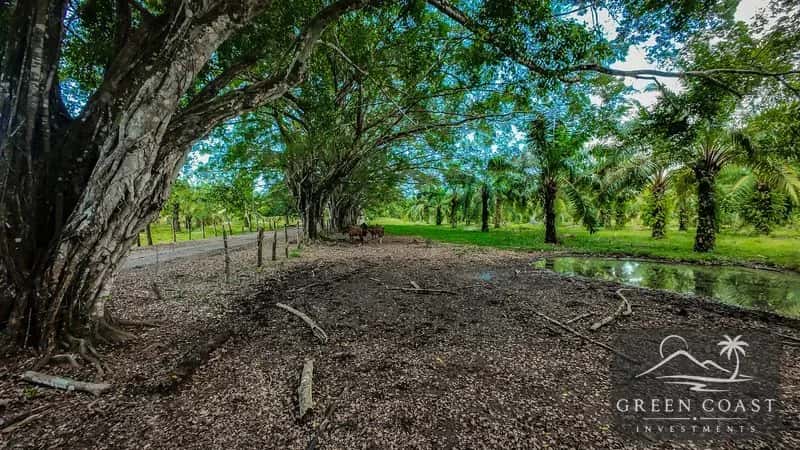
Investing in Jacó, Costa Rica: A Green Coast Perspective
US and Canadian investors often ask us about opportunities in Costa Rica's Central Pacific. Jacó, and the surrounding areas, hold significant appeal for luxury real estate and development. Its strategic location and robust potential for large-scale projects make it a compelling choice. This region blends natural beauty, accessibility, and a growing tourism sector, creating fertile ground for substantial returns.
In our years on this coast, we've seen the Central Pacific become a magnet for investors seeking both lifestyle and significant development opportunities. This area, stretching from Jacó through Playa Hermosa and Esterillos, is known for its beaches, world-class surfing, and lush rainforests. It strikes a balance between developed infrastructure and natural beauty, making it a prime location for high-end residential, commercial, and hospitality ventures.
Strategic Location: Esterillos Central within the Jacó-Los Sueños-Playa Hermosa Corridor
Esterillos Central is strategically positioned within the Jacó-Los Sueños-Playa Hermosa region. This corridor is easily accessible from Juan Santamaría International Airport (SJO) and is a premier destination for both local and international tourists. Proximity to Jacó provides access to amenities, including restaurants, shopping, and entertainment. Los Sueños Resort and Marina offers luxury services and a yachting community. Esterillos itself provides a more tranquil, yet accessible, environment for large-scale, master-planned developments. These projects can capitalize on both the energy of Jacó and the beauty of the coast.
Investment Potential and Current Market Dynamics
The investment potential for large-scale development land in this region is significant. Demand for luxury accommodations, eco-tourism resorts, and upscale residential communities continues to grow, driven by an increasing influx of North American visitors and expatriates. Current market dynamics reflect this interest. As of now, there are 42 active listings in the broader Jacó area, with prices ranging from USD 155,000 to USD 29,950,000, and an average price of USD 1,355,232. This wide range indicates opportunities for various investment scales, but the higher end of the spectrum points to the substantial value placed on prime development parcels, especially those with unique features like beachfront access and expansive acreage. Investing in large tracts of land here allows for comprehensive planning and the creation of integrated communities that can command premium pricing and deliver strong long-term appreciation.
Spotlight: The 4,850 Acre Beachfront Legacy Ranch – A Premier Development Opportunity
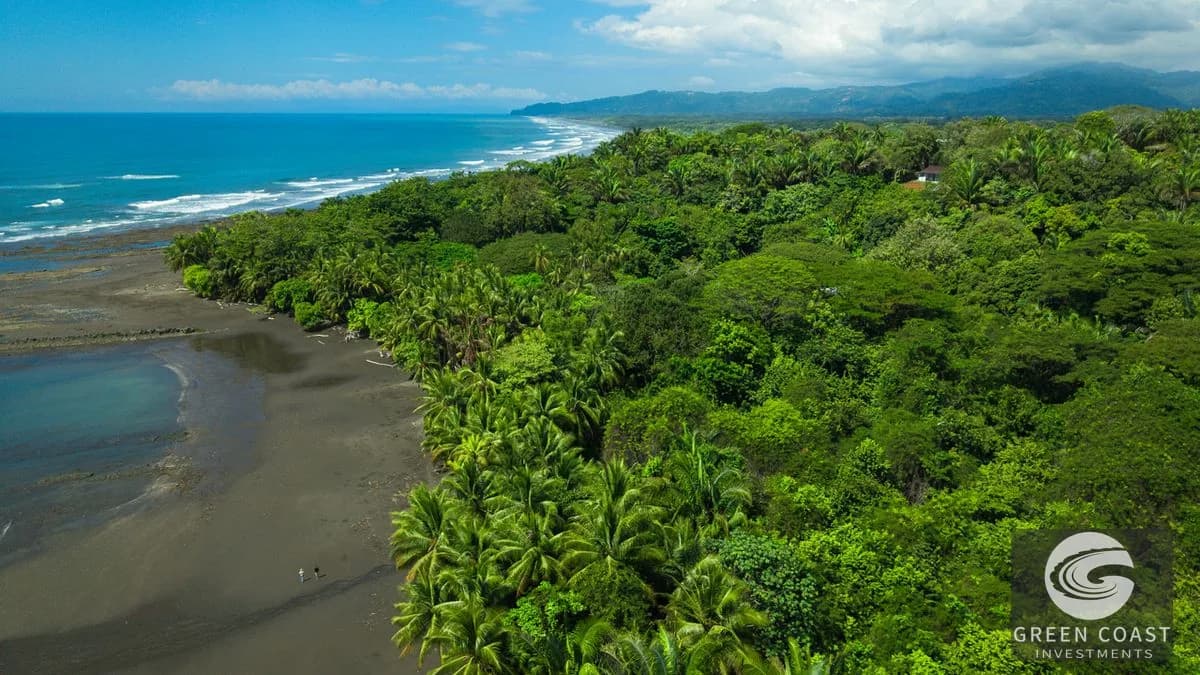
For investors looking to buy property Jacó Costa Rica and establish a significant presence in the Central Pacific, the 4,850 Acre Beachfront Legacy Ranch in Esterillos Central offers an extraordinary canvas for large-scale development. This expansive property, priced at USD 29,950,000, represents a generational investment designed to create lasting wealth and impact. Its sheer size and direct beachfront access provide a rare combination, enabling diverse development concepts from luxury eco-resorts and master-planned communities to private estates and agricultural ventures, all within a highly sought-after region.
The 4,850 Acre Beachfront Legacy Ranch Esterillos Central Pacific Coast stands out due to its immense scale and unique characteristics. With thousands of acres, the potential for a comprehensive, multi-faceted development is virtually limitless. The property's direct beachfront access is a key differentiator, offering prime real estate for resort amenities, residential beachfront lots, or exclusive private beach clubs. This vast land size allows for the creation of self-sustaining communities, integrating residential, commercial, and recreational elements with ample space for conservation or agricultural components. This positions the ranch as a 'legacy' investment, capable of shaping the region's future and providing enduring value for decades to come.
Strategically located within Esterillos Central, the ranch benefits from its proximity to key destinations in the Jacó-Los Sueños-Playa Hermosa region. Esterillos offers a more tranquil setting compared to Jacó, yet it remains easily accessible to Jacó's amenities, including dining, shopping, and entertainment. The Los Sueños Resort and Marina, a hub for luxury tourism and sportfishing, is also a short drive away, further enhancing the property's appeal for high-end development. Additionally, the surf breaks of Playa Hermosa are within easy reach, attracting tourists and residents. This strategic placement ensures that any development on the 4,850 Acre Beachfront Legacy Ranch will benefit from both natural beauty and convenient access to established infrastructure and attractions. The market data for the region indicates 42 active listings, with a price range of USD 155,000–29,950,000 and an average price of USD 1,355,232, underscoring the significant value and unique position of this large-scale development land offering.
Investment Potential and ROI for Large-Scale Development Land in the Central Pacific
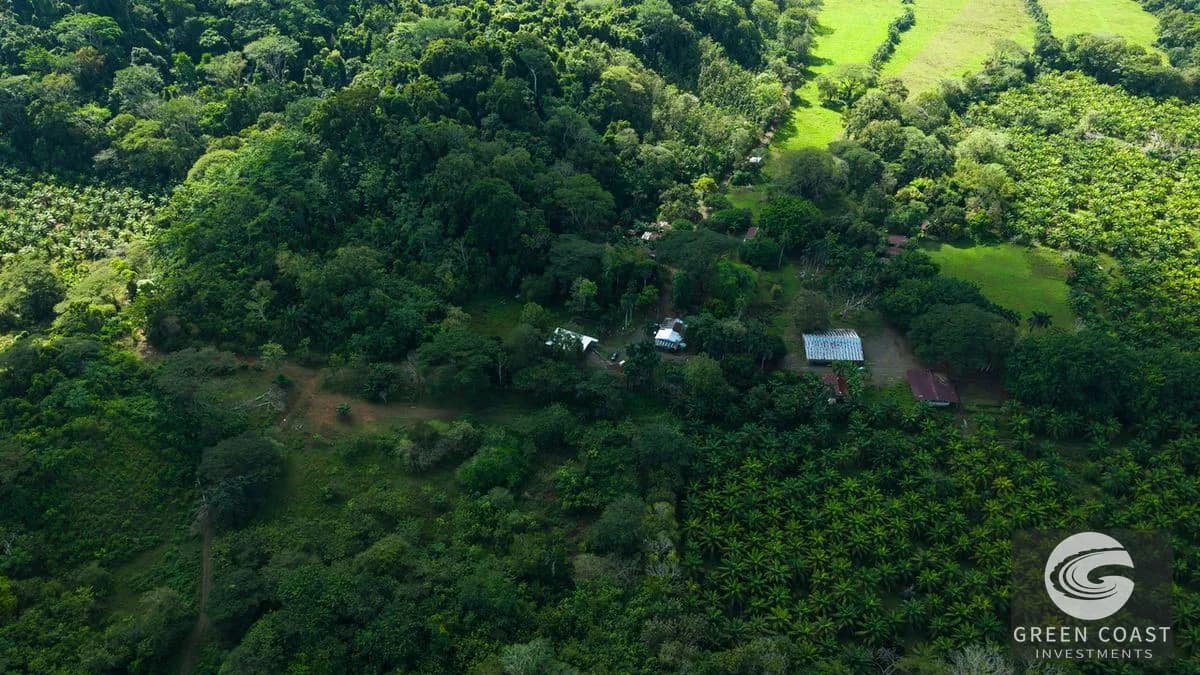
Investing in large-scale development land in Costa Rica's Central Pacific, particularly for luxury resort, eco-tourism, or mixed-use projects, offers significant return on investment (ROI) potential. This is driven by increasing demand for high-end, experiential real estate. The region's natural beauty, accessibility, and established tourism infrastructure create fertile ground for projects catering to international buyers and travelers. With active listings showing a wide price range from USD 155,000 to USD 29,950,000 and an average of USD 1,355,232, the market demonstrates both opportunity for entry and substantial value at the upper end for large parcels.
Esterillos Central vs. Jacó and Los Sueños: Development Advantages
Esterillos Central presents a compelling development alternative to more established areas like Jacó and Los Sueños. While Jacó offers a surf town atmosphere and Los Sueños is known for its luxury marina and golf resort, Esterillos Central provides a more serene, undeveloped canvas for large-scale projects. This comparative advantage allows developers to create integrated communities or resorts with greater control over environmental impact and design. This appeals to a demographic seeking exclusivity and connection with nature. Its proximity to both Jacó's amenities and Manuel Antonio's national park further enhances its appeal, offering the best of both worlds without the higher land acquisition costs often associated with fully developed areas.
Market Trends Driving High-End Experiential Real Estate
Current market trends indicate a strong and growing demand for high-end, experiential real estate. Buyers increasingly prioritize properties that offer not just luxury, but also unique experiences, sustainability, and a connection to the local environment and culture. This includes eco-lodges, wellness retreats, boutique resorts, and master-planned communities that integrate natural landscapes with upscale amenities. The Central Pacific, with its diverse ecosystems, world-class surfing, and abundant wildlife, is positioned to capitalize on these trends. Projects that emphasize sustainable design, conservation, and authentic local experiences are likely to see the highest demand and strongest ROI.
Phased Development and Long-Term Value Appreciation
Large land parcels in the Central Pacific are ideal for phased development strategies. This approach can optimize capital deployment and mitigate risk. Developers can begin with a core offering, such as a boutique hotel or a cluster of luxury villas, and expand over time based on market response and demand. This allows for continuous value creation and appreciation as infrastructure is built out and the project gains recognition. The long-term outlook for real estate in Costa Rica's Central Pacific remains positive, supported by stable government, a robust tourism sector, and increasing international interest in the country's natural assets. Strategic, well-executed large-scale developments are poised for significant long-term value appreciation.
Key Legal Considerations for US/Canadian Buyers Acquiring Large Development Land in Costa Rica
Acquiring large development land in Costa Rica, particularly for US and Canadian buyers, requires a thorough understanding of local legal frameworks to ensure a secure and compliant investment. Foreigners generally enjoy the same property ownership rights as Costa Rican citizens, allowing for direct ownership of land. However, specific regulations apply to beachfront properties and large-scale projects. Currently, the Jacó area shows 42 active listings ranging from USD 155,000 to USD 29,950,000, with an average price of USD 1,355,232, highlighting the diverse scale of investment opportunities available.
Foreign Land Ownership Laws and Regulations
Costa Rica's legal system permits foreigners to own property outright, either in their personal name or through a Costa Rican corporation. For large development parcels, establishing a corporation (S.A. or SRL) is highly recommended. This structure offers liability protection, simplifies estate planning, and can facilitate future sales or partnerships. While there are no restrictions on the size of land a foreigner can own, understanding zoning regulations and land use plans specific to the Esterillos/Jacó region is critical before purchase. These plans dictate permitted construction types, density, and environmental protections, directly impacting development potential.
Due Diligence Processes for Large Land Acquisitions
Comprehensive due diligence is paramount for large land acquisitions. This process involves verifying clear title through a detailed title search at the National Registry to ensure no liens, encumbrances, or disputes exist. A professional survey by a licensed Costa Rican topographer is essential to confirm the exact boundaries and size of the property, especially for large, undeveloped tracts where historical records may be less precise. Environmental assessments are also crucial to identify any protected areas, water sources, or biodiversity that could affect development plans. Furthermore, a review of municipal land use plans and zoning ordinances is necessary to confirm the feasibility of the intended project.
Understanding Concession Laws for Beachfront Properties
Beachfront properties in Costa Rica fall under the Maritime Terrestrial Zone (ZMT), a 200-meter strip measured from the high tide line. The first 50 meters from the high tide line (public zone) is public property and cannot be privately owned. The subsequent 150 meters (restricted zone) can be leased through a concession from the local municipality or the Costa Rican Tourism Institute (ICT). These concessions are typically granted for periods of 5 to 20 years, renewable, and come with specific development restrictions and fees. For a large beachfront property like the 4,850 Acre Beachfront Legacy Ranch, understanding the exact demarcation of the ZMT and the terms of any existing or potential concession is a complex but vital step.
Importance of Legal Counsel
Engaging experienced legal counsel specializing in Costa Rican real estate and development is essential for large land acquisitions. A qualified attorney will guide buyers through the intricacies of Costa Rican property law, conduct thorough due diligence, draft and review purchase agreements, assist with corporate formation, and navigate the concession process if applicable. They will also advise on tax implications, environmental regulations, and permit acquisition, mitigating risks and ensuring compliance throughout the acquisition and development phases.
Navigating Local Regulations for Environmental Impact Assessments and Development Permits
Foreign investors can effectively navigate Costa Rica's regulatory landscape for environmental impact assessments (EIAs) and development permits by understanding the process, engaging early with authorities, and prioritizing sustainable development. The primary body responsible for EIAs is the National Environmental Technical Secretariat (SETENA), which evaluates the environmental viability of projects. For large-scale developments, this process is rigorous and requires detailed studies.
Understanding the EIA Process and Permit Timelines
The SETENA process involves several stages, beginning with an initial environmental diagnostic, followed by a more comprehensive EIA if deemed necessary. This assessment evaluates potential environmental impacts and proposes mitigation measures. Typical timelines for obtaining development permits for large-scale projects can range from 12 to 24 months, or even longer, depending on the project's complexity, environmental sensitivity, and the thoroughness of submitted documentation. This includes approvals from various governmental entities beyond SETENA, such as municipalities, the Ministry of Health, and the National System of Conservation Areas (SINAC) for projects impacting protected zones.
Engaging with Local Authorities and Communities
Best practices dictate early and transparent engagement with local municipalities, community groups, and indigenous organizations, if applicable. Establishing strong relationships from the outset can help anticipate and address concerns, fostering goodwill and potentially streamlining the approval process. Public hearings are often a mandatory component of large-scale EIAs, providing a platform for community input. Proactive communication and demonstrating a commitment to local development and environmental stewardship are crucial.
Strategies for Sustainable Development Planning
Integrating sustainable development practices from the initial planning stages is not only environmentally responsible but also a strategic approach to streamline approvals. Projects designed with minimal environmental footprint, water conservation measures, renewable energy integration, and protection of biodiversity are more likely to receive favorable reviews from SETENA and other regulatory bodies. Demonstrating a clear plan for responsible land management and community benefit can significantly expedite the permitting process and enhance the project's long-term viability. For example, preserving natural corridors or integrating eco-tourism components can be viewed positively. The active listings in the Central Pacific, with an average price of USD 1,355,232, reflect the potential for high-value, responsibly developed properties.
Recommended Sustainable Development Practices for Beachfront Properties in Costa Rica's Central Pacific
For beachfront properties in Costa Rica's Central Pacific, sustainable development prioritizes ecological preservation and long-term economic viability. This involves integrating eco-friendly design and construction, robust conservation efforts, and efficient resource management into every stage of a large-scale project. By adhering to these principles, developers not only minimize environmental impact but also enhance the appeal and value of their investments, aligning with Costa Rica's global reputation for environmental stewardship.
Eco-Friendly Design and Construction for Large Developments
Implementing eco-friendly design and construction practices is fundamental. This includes using locally sourced, renewable, or recycled building materials to reduce the carbon footprint. Architectural designs should maximize natural light and ventilation, reducing reliance on artificial cooling and heating. Employing permeable surfaces for driveways and pathways helps manage stormwater runoff, preventing erosion and protecting coastal ecosystems. Consider green roofs and living walls to improve insulation and biodiversity. For a region with active listings ranging from USD 155,000 to USD 29,950,000, with an average price of USD 1,355,232, investing in sustainable construction can differentiate a property in a competitive market.
Integration of Conservation Efforts and Biodiversity Protection
Effective sustainable development mandates the integration of conservation efforts and biodiversity protection. This means conducting thorough environmental impact assessments to identify and protect critical habitats, wildlife corridors, and endangered species. Developers should designate significant portions of the property as nature reserves or green spaces, actively participating in reforestation with native species. Establishing buffer zones along beaches and rivers helps prevent degradation and preserves natural ecosystems.
Strategies for Water Management, Energy Efficiency, and Waste Reduction
Comprehensive strategies for water management, energy efficiency, and waste reduction are crucial. Implement rainwater harvesting systems for irrigation and non-potable uses, and install low-flow fixtures in all structures. Energy efficiency can be achieved through solar power generation, high-efficiency appliances, and smart home technologies that optimize energy consumption. Waste reduction programs should include robust recycling initiatives, composting organic waste, and minimizing construction waste through careful planning and material selection.
Highlighting the 'Green Coast' Philosophy in Development
Our 'Green Coast' philosophy guides development in the Central Pacific, emphasizing a harmonious relationship between progress and nature. This philosophy encourages developers to create projects that not only offer luxury and comfort but also educate residents and visitors about environmental responsibility. It’s about building communities that are self-sufficient, resilient, and connected to their natural surroundings, ensuring that the beauty and biodiversity of Costa Rica endure for future generations. This approach enhances marketability, attracting buyers who value sustainability and responsible living.
How Infrastructure Development Plans Impact Large Land Parcels in the Esterillos/Jacó Region
Infrastructure development plans significantly influence large land parcels in the Esterillos/Jacó region by directly affecting accessibility, utility provision, and ultimately, property values and development feasibility. Improved roads, reliable utilities, and high-speed internet transform previously remote or challenging sites into viable development opportunities, attracting investment and supporting higher-density projects. For large parcels, especially those considering extensive development, understanding these plans is crucial for strategic planning and maximizing return on investment.
Current and Planned Infrastructure: Roads, Utilities, and Internet
The Central Pacific region, including Esterillos and Jacó, benefits from ongoing infrastructure enhancements. The primary coastal highway (Route 34 or Costanera Sur) provides excellent access, and there are continuous efforts to maintain and improve secondary roads connecting to more secluded areas. For large land parcels like the 4,850 Acre Beachfront Legacy Ranch, direct access from well-maintained routes is a significant asset. Electricity grids are generally robust in developed areas, with expansion plans often accompanying new large-scale projects. Water availability, a critical resource, is managed by ASADAS (local water administration associations) or AyA (the national water company). Large developments may require dedicated water studies and potentially private well systems or agreements with existing providers. High-speed fiber optic internet is increasingly available, even in areas previously reliant on satellite or slower connections, which is vital for luxury developments and remote work capabilities.
Impact of Improved Access on Property Values and Development Feasibility
Enhanced infrastructure directly correlates with increased property values. A parcel with easy road access, reliable electricity, potable water, and strong internet connectivity is inherently more valuable than one lacking these essentials. For the Esterillos/Jacó region, where active listings range from USD 155,000 to USD 29,950,000 with an average of USD 1,355,232, properties with superior infrastructure command higher prices. This improved access also expands the range of feasible development types, from luxury resorts and residential communities to eco-tourism ventures, by reducing construction costs and increasing market appeal.
Considerations for Self-Sufficient Infrastructure in Remote or Large Parcels
While public infrastructure improves, large or more remote parcels often require a degree of self-sufficiency. This can include developing private internal road networks, drilling wells for water supply, installing wastewater treatment plants, and implementing renewable energy solutions like solar power. For a property of 4,850 acres, a comprehensive infrastructure master plan is essential, potentially integrating both public utility connections and private, sustainable systems to ensure long-term operational efficiency and environmental compliance.
Future Growth Projections for the Central Pacific
The Central Pacific continues to be a focal point for tourism and foreign investment in Costa Rica. Future growth projections indicate continued demand for luxury accommodations, residential communities, and eco-friendly developments. Government and private sector investments in infrastructure are expected to keep pace with this growth, further solidifying the region's appeal. Understanding these projections allows buyers of large parcels to align their development plans with anticipated market needs and capitalize on the region's upward trajectory.
Case Studies: Success Stories of Large-Scale Luxury Developments in the Central Pacific
The Central Pacific coast of Costa Rica, particularly the region encompassing Jacó, Los Sueños, and Playa Hermosa, has a proven track record of successful large-scale luxury developments. This demonstrates the significant potential for ventures like the 4,850 Acre Beachfront Legacy Ranch. These projects offer insights into effective planning, execution, and market reception, highlighting the profitability achievable in this sought-after market. For instance, the Los Sueños Resort and Marina stands as a prime example. This sprawling development transformed a significant land parcel into a world-class destination featuring a Marriott hotel, a championship golf course, a full-service marina, and numerous luxury condominiums and private residences. Its success is rooted in meticulous master planning, high-quality construction, and a comprehensive amenity package that attracts affluent international buyers and tourists.
Lessons learned from projects like Los Sueños emphasize the importance of a phased development approach, allowing for market adaptation and optimized resource allocation. Early investment in robust infrastructure, including roads, utilities, and security, is critical for attracting high-value buyers. Furthermore, integrating natural beauty with luxury amenities, such as ocean views, direct beach access, and eco-friendly designs, consistently resonates with the target demographic. The market data for the region, with active listings ranging from USD 155,000 to USD 29,950,000 and an average price of USD 1,355,232, underscores the demand for both individual luxury properties and the larger parcels capable of supporting such extensive developments. These successful projects showcase the potential for substantial returns on investment, driven by consistent appreciation and strong rental income streams.
Facilitating High-Value Projects with Green Coast Investments
Green Coast Investments plays a crucial role in facilitating such high-value projects by connecting investors with opportunities like the 4,850 Acre Beachfront Legacy Ranch. Our expertise extends beyond simply identifying prime land; we provide comprehensive support throughout the entire development lifecycle. This includes conducting thorough due diligence, navigating complex local regulations, and connecting developers with trusted legal, architectural, and construction partners. We understand the nuances of the Costa Rican real estate market and leverage our extensive network to streamline the development process, from initial conceptualization to final sales. Our involvement ensures that projects are not only ambitious in scope but also strategically planned for maximum profitability and long-term sustainability, mirroring the success observed in established luxury developments across the Central Pacific.
FAQs: Investing in Large-Scale Development Land in Costa Rica
Investing in large-scale development land in Costa Rica, particularly in the Central Pacific, often brings questions for foreign buyers. Understanding the nuances of financing, legalities, and local partnerships is crucial for a successful venture. For those looking to buy property Jacó Costa Rica, or in the surrounding Esterillos region, these frequently asked questions address common concerns for major land acquisitions.
What are the typical closing costs for a large land purchase?
Typical closing costs for a large land purchase in Costa Rica generally range from 2.5% to 4% of the purchase price. This includes transfer taxes (approximately 1.5%), legal fees for the attorney handling the transaction (typically 1% to 1.25%), and notary fees, along with registration fees and stamps. For a substantial investment, these percentages can represent a significant sum, so budgeting accordingly is essential.
Can I get financing for a large development project as a foreign investor?
Securing financing for large development projects as a foreign investor in Costa Rica can be challenging but not impossible. While local banks are generally hesitant to offer traditional mortgages to non-residents for raw land, some options exist. These include private financing through specialized lenders, seller financing (if available), or leveraging international financial institutions. It's often recommended to have a significant portion of the capital readily available, as direct loans from Costa Rican banks for large-scale foreign-owned developments are less common.
What are the property taxes like on large parcels in Costa Rica?
Property taxes in Costa Rica are relatively low compared to many other countries, typically set at 0.25% of the registered property value. For large parcels, this annual tax is assessed on the declared value of the land and any improvements. Property values are periodically reassessed, which can impact the tax amount. Additionally, luxury homes or properties exceeding a certain value may be subject to a progressive luxury home tax, though this primarily applies to developed structures rather than raw land.
How do I find reliable local partners for development?
Finding reliable local partners is critical for successful large-scale development in Costa Rica. This often involves working with established real estate firms like Green Coast Investments, who have extensive local networks. Look for partners with a proven track record in the specific region (e.g., Esterillos or Jacó), deep understanding of local regulations, and strong relationships with government agencies and contractors. Due diligence, including background checks and verifying references, is paramount. Attending local industry events and networking with professionals can also yield valuable connections.
What are the risks associated with large-scale development in Costa Rica?
Large-scale development in Costa Rica carries several risks. These include navigating complex environmental regulations and obtaining necessary permits, which can be time-consuming. Market fluctuations, infrastructure limitations (though improving in areas like the Central Pacific), and potential challenges with local labor and supply chains are also considerations. Land title issues, while less common with proper legal counsel, can arise. Furthermore, understanding and adapting to local cultural and business practices is essential to mitigate misunderstandings and ensure smooth operations. The active listings in the Central Pacific currently stand at 42, with a price range of USD 155,000–29,950,000 and an average of USD 1,355,232, indicating a diverse yet competitive market.