
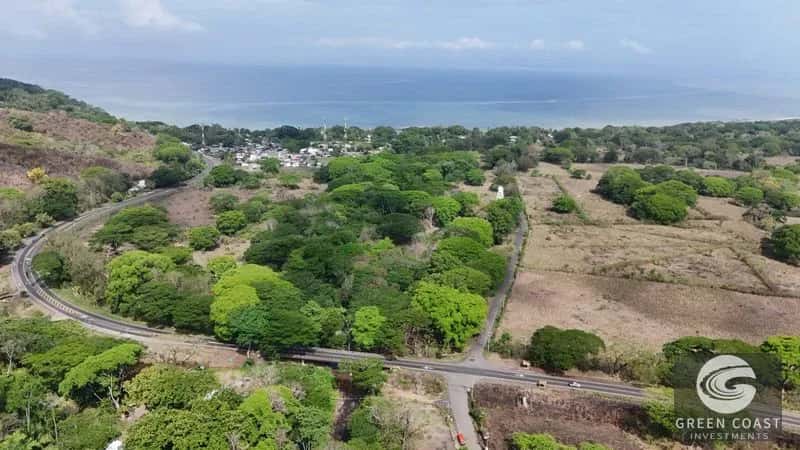
Why Buy High-Density Investment Property in Jacó, Costa Rica?
High-density investment property in Jacó, Costa Rica, offers a compelling opportunity. The region's robust tourism, established infrastructure, and growing expat community make it a prime location. Jacó, along with nearby Los Sueños and Playa Hermosa, provides strong potential for development that capitalizes on consistent demand from international visitors and long-term residents. This area's appeal for US and Canadian buyers is significantly driven by its accessibility, diverse amenities, and the potential for substantial returns on well-planned development projects. Its strategic location near attractions like the Marriott Hacienda Santa Lucía Jungle further enhances property value and ensures strong rental demand for future high-density developments.
The Central Pacific region of Costa Rica continues to attract significant investment, with Jacó serving as a central hub for commercial and residential activity. The consistent influx of tourists seeking adventure, relaxation, and the Pura Vida lifestyle translates directly into a need for diverse accommodation options, from luxury condos to multi-family units. For investors looking to buy property Jacó Costa Rica, the opportunity to develop high-density projects allows for maximizing land utility and generating multiple income streams. The established infrastructure, including reliable utilities and internet, supports larger-scale developments, reducing some of the complexities often associated with building in emerging markets.
Understanding current market dynamics is crucial for strategic investment decisions. As of recent data, there are 46 active listings in the Jacó area, with a wide price range spanning USD 120,000 to USD 29,950,000, and an average price of USD 1,278,661. This broad spectrum indicates opportunities for various investment scales, from acquiring smaller parcels for boutique developments to larger tracts suitable for comprehensive high-density communities. Analyzing these market figures, alongside projected growth trends, allows investors to identify undervalued assets or areas with high appreciation potential. The strong presence of US and Canadian expats further solidifies the market, as many seek permanent residency or long-term rental options, creating a stable tenant base for high-density properties. This demographic often values modern amenities and convenient access to services, which high-density developments can readily provide.
What are the zoning requirements for high-density development land near Jacó's Marriott Hacienda Santa Lucía?
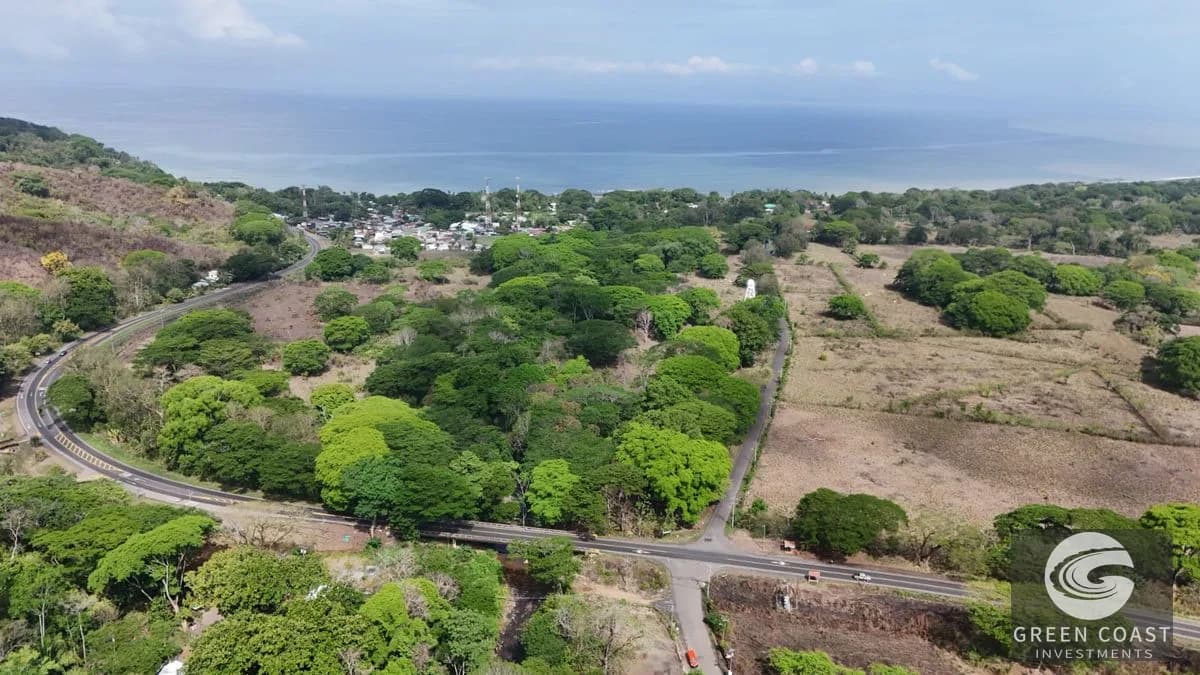
Understanding the municipal zoning regulations, known as the Plan Regulador, is crucial for any high-density development project near Jacó's Marriott Hacienda Santa Lucía. These regulations dictate permissible land use, building density, and construction parameters across Jacó, Los Sueños, and Playa Hermosa. For high-density projects, developers will primarily look for classifications allowing multi-family residential, commercial, or mixed-use developments. These designations permit a higher number of units or greater building coverage than single-family designations. The permitting process for large-scale projects involves multiple stages, including municipal approval and often a mandatory environmental impact assessment (EIA) through SETENA (Secretaría Técnica Nacional Ambiental).
Jacó's Plan Regulador and Development Classifications
The Plan Regulador for the Garabito canton, which encompasses Jacó, Los Sueños, and Playa Hermosa, outlines specific zones for development. Near the Marriott Hacienda Santa Lucía, areas designated for high-density residential or mixed-use development are most relevant. These classifications typically allow for multi-story buildings and a higher percentage of lot coverage, crucial for maximizing investment returns on developable land. Commercial zones also permit higher density for businesses, often allowing for integrated residential components in mixed-use designations. It is imperative to obtain the most current Plan Regulador documents from the Municipality of Garabito, as these regulations can be updated.
Permitting Processes and Timelines for Large-Scale Projects
The permitting process for high-density projects in Costa Rica can be extensive. It typically begins with preliminary consultations with the municipality, followed by submitting architectural plans, engineering studies, and a detailed project proposal. A critical step for any large-scale development, especially those adjacent to natural areas, is the environmental impact assessment (EIA) through SETENA. This assessment evaluates the project's potential environmental effects and proposes mitigation strategies. The timeline for securing all necessary permits can vary significantly, often ranging from 12 to 24 months, depending on the project's complexity and the thoroughness of initial submissions.
Importance of Due Diligence on Land Use and Environmental Impact Assessments
Thorough due diligence on land use is non-negotiable. This includes verifying the property's specific zoning classification, confirming access to essential utilities (water, electricity), and reviewing any existing easements or restrictions. For properties near jungle areas or sensitive ecosystems, the SETENA environmental impact assessment is a mandatory and often complex process. Engaging local legal and environmental consultants early in the acquisition phase is highly recommended to effectively manage these requirements and avoid costly delays. Currently, active listings in the Jacó region range from USD 120,000 to USD 29,950,000, with an average price of USD 1,278,661, underscoring the diverse investment opportunities and the need for meticulous planning.
How does proximity to Los Sueños Marina and Playa Hermosa impact investment returns on Jacó development land?
Proximity to Los Sueños Marina, Playa Hermosa, and the Marriott Hacienda Santa Lucía Jungle significantly enhances investment returns on Jacó development land. This strategic location attracts a diverse range of high-value renters and buyers, leveraging luxury tourism, surf culture, and eco-tourism appeal. This drives property values and rental income, supported by robust infrastructure in the Central Pacific corridor. Currently, there are 46 active listings in the region, with prices ranging from USD 120,000 to USD 29,950,000, and an average price of USD 1,278,661, indicating a strong and varied market.
Luxury Amenities and Property Values
The immediate vicinity of Los Sueños Marina, a world-renowned luxury resort and marina, directly influences property values and rental income for high-density developments in Jacó. Investors benefit from the marina's established reputation for sportfishing, championship golf courses, and upscale dining experiences. These amenities attract affluent tourists and long-term residents seeking a premium lifestyle, creating consistent demand for high-quality rental units and driving up property appreciation. Development land near these luxury hubs commands higher prices and offers superior rental yields due to the captive audience of high-net-worth individuals and families.
Surf Tourism and Natural Beauty of Playa Hermosa
Just south of Jacó, Playa Hermosa is internationally recognized for its consistent surf breaks and pristine natural beauty. This draws a steady stream of surf tourists, nature enthusiasts, and those seeking a more laid-back, yet active, lifestyle. High-density properties in Jacó benefit from this influx by offering convenient access to both the town and the tranquil, surf-centric atmosphere of Playa Hermosa. This dual appeal broadens the potential renter and buyer pool, ensuring strong occupancy rates and competitive rental pricing for investment properties.
Strategic Advantages of Marriott Hacienda Santa Lucía Jungle
The adjacency to the Marriott Hacienda Santa Lucía Jungle offers unique strategic advantages. This area's eco-tourism appeal attracts visitors interested in Costa Rica's rich biodiversity and natural landscapes. High-density developments can capitalize on this by offering resort-style amenities that complement the natural surroundings, such as nature trails, wellness facilities, and sustainable design. This creates a compelling value proposition for investors targeting both short-term vacation rentals and long-term residents seeking a blend of luxury and nature.
Infrastructure Benefits in the Central Pacific Corridor
The Central Pacific corridor, encompassing Jacó and its surrounding areas, benefits from well-developed infrastructure compared to many other regions in Costa Rica. This includes reliable road networks, consistent utilities (water, electricity, internet), and access to essential services. For high-density development, this translates to lower construction risks, more efficient project timelines, and enhanced appeal to potential buyers and renters who prioritize convenience and modern amenities. The established infrastructure supports the growth and sustainability of investment properties in the region.
What is the typical ROI for high-density investment properties in the Jacó, Costa Rica region?
Typical Return on Investment (ROI) for high-density investment properties in the Jacó, Costa Rica region generally ranges from 8% to 15% annually. This is influenced significantly by factors such as land acquisition cost, construction expenses, prevailing market demand, achievable rental rates, and potential for resale value appreciation. The Central Pacific's consistent appeal to tourists and expatriates underpins a robust rental market, making high-density developments a compelling proposition.
Factors Influencing High-Density ROI in Jacó
Several critical elements dictate the ultimate ROI for high-density projects. Initial land acquisition costs are paramount; with active listings ranging from USD 120,000 to USD 29,950,000 and an average of USD 1,278,661, strategic purchasing is key. Construction costs, including materials, labor, and infrastructure development, directly impact the initial capital outlay. Market demand, driven by tourism, remote work trends, and the region's amenities, dictates occupancy rates and rental pricing power. Higher demand supports premium rental rates and stronger resale values.
Case Studies & Projections
Successful high-density developments along the Jacó/Los Sueños corridor consistently demonstrate strong performance. For instance, projects comprising multiple condominium units or townhomes near key attractions like the Marriott Hacienda Santa Lucía Jungle or the Los Sueños Marina often achieve high occupancy rates, particularly during peak season. Rental yields for well-managed units can reach 6-10% annually, with capital appreciation adding another 2-5% per year, depending on market conditions and the specific project's appeal. The region's ongoing development and infrastructure improvements suggest continued appreciation potential.
Operating Expenses and Property Management
When calculating ROI, it's crucial to account for operating expenses and property management fees. High-density projects incur costs for utilities, maintenance of common areas (pools, gyms, security), insurance, and property taxes. Professional property management, while an expense (typically 10-20% of gross rental income), is often essential for maximizing occupancy, maintaining property standards, and handling tenant relations, especially for foreign investors. Effective management minimizes vacancies and optimizes rental income, directly impacting net ROI.
What are the key considerations for US/Canadian investors buying development land in Costa Rica's Central Pacific?
US and Canadian investors buying development land in Costa Rica's Central Pacific should prioritize understanding the legal framework for foreign land ownership, engaging experienced legal counsel and reputable real estate agents, and thoroughly researching all associated costs like property taxes and transfer fees. Establishing a Costa Rican corporation for property ownership offers significant advantages, and careful financial planning regarding currency exchange rates is crucial for successful cross-border transactions. Currently, there are 46 active listings in the region, with prices ranging from USD 120,000 to USD 29,950,000, averaging USD 1,278,661.
Legal Framework and Professional Guidance
Costa Rica has a robust legal framework that generally grants foreign individuals and corporations the same property ownership rights as citizens. However, the intricacies of land titles, especially for development land, necessitate expert guidance. Engaging a qualified Costa Rican attorney specializing in real estate is non-negotiable. They will conduct due diligence, verify ownership, identify any encumbrances, and ensure the transaction adheres to local laws. Similarly, working with a reputable real estate agent who understands the local market and development potential, particularly around areas like Jacó and the Marriott Hacienda Santa Lucía, is essential for identifying suitable properties and negotiating effectively.
Costs and Ownership Structures
Beyond the purchase price, investors must account for various associated costs. These include property transfer taxes (typically 2.5% of the registered value), legal fees (usually 1-1.5% of the purchase price), and notary fees. Annual property taxes are relatively low, generally 0.25% of the registered property value. For many investors, establishing a Costa Rican corporation (Sociedad Anónima or S.A.) to hold the property is a strategic move. This structure can offer liability protection, simplify estate planning, and provide tax efficiencies. Your legal counsel can advise on the most appropriate corporate structure for your specific investment goals.
Financial Planning and Currency Exchange
Cross-border transactions require careful financial planning, particularly concerning currency exchange rates between the US dollar (USD) or Canadian dollar (CAD) and the Costa Rican Colón (CRC). While many real estate transactions are quoted and often paid in USD, understanding the impact of exchange rate fluctuations on ancillary costs and future rental income is important. It is advisable to work with financial institutions experienced in international transfers to ensure efficient and secure movement of funds. Consider the timing of large transfers to optimize exchange rates and minimize potential losses.
Local Construction Costs & Timelines for High-Density Projects
For high-density projects in Jacó, average construction costs per square meter typically range from USD 800-1,500 for condominiums, USD 700-1,200 for townhouses, and USD 900-1,800 for mixed-use developments, depending on finishes and amenities. Obtaining permits and completing construction in the Jacó area generally takes 18-36 months, though complex projects or those requiring extensive environmental impact assessments may extend this timeline. With 46 active listings and prices ranging from USD 120,000 to USD 29,950,000, averaging USD 1,278,661, the market shows a diverse range of opportunities for development.
Understanding Construction Cost Factors
Several factors influence the final construction costs for high-density projects in Jacó. Material costs can fluctuate based on global supply chains and local availability, with imported materials often carrying higher price tags. Labor costs are competitive but can vary depending on the specialized skills required for specific project elements. The complexity of the architectural design, including unique structural elements or high-end finishes, will directly impact both material and labor expenses. Furthermore, environmental considerations, such as specific regulations for building near jungle areas or requirements for sustainable construction practices, can introduce additional costs for specialized engineering or mitigation measures.
Navigating Permitting and Construction Timelines
The permitting process in Costa Rica involves multiple governmental entities, including the local municipality (Municipalidad de Garabito for Jacó), the Ministry of Health, and the SETENA (National Environmental Technical Secretariat) for environmental approvals. A typical timeline for obtaining all necessary permits can range from 6 to 12 months. Once permits are secured, the construction phase itself can take 12 to 24 months, depending on the project's scale and complexity. Efficient project management and a clear understanding of local regulations are crucial for adhering to these timelines.
Selecting Reputable Developers and Contractors
Identifying reputable local developers and contractors with a proven track record in high-density projects is essential for a successful investment. Green Coast Investments recommends partnering with firms that demonstrate extensive experience in the Central Pacific region, possess a strong portfolio of completed projects, and can provide verifiable references. Due diligence should include reviewing their financial stability, legal standing, and adherence to local building codes and environmental regulations. Engaging a local legal team to assist with contract review and compliance checks is also a recommended step to ensure all aspects of the development process are professionally managed.
Are there specific environmental regulations for developing land adjacent to jungle areas in Jacó?
Yes, developing land adjacent to jungle areas in Jacó, Costa Rica, involves specific environmental regulations designed to protect the country's rich biodiversity. Costa Rica operates under the Ley Orgánica del Ambiente (Organic Environmental Law), which provides the framework for environmental protection and sustainable resource management. This law mandates that any development project must consider its potential impact on natural ecosystems, especially those bordering sensitive areas like jungles, wildlife corridors, and protected zones. Green Coast Investments guides clients through these crucial regulations to ensure compliance and responsible development.
Environmental Impact Assessments and Mitigation
Projects located near jungle ecosystems or protected areas are typically required to undergo an Environmental Impact Assessment (EIA). This comprehensive study evaluates the potential environmental consequences of the proposed development, covering aspects such as deforestation, water quality, soil erosion, and wildlife disruption. Based on the EIA findings, developers must propose and implement mitigation plans to minimize negative impacts. These plans often include measures like reforestation, establishing buffer zones, implementing proper waste management systems, and adopting construction practices that reduce environmental footprint. For example, a project might need to demonstrate how it will prevent runoff into nearby waterways or protect specific tree species.
Navigating SETENA Approvals
The primary governmental body responsible for reviewing and approving environmental permits is the Secretaría Técnica Nacional Ambiental (SETENA). All EIAs and mitigation plans must be submitted to and approved by SETENA before construction can commence. This process can be rigorous and requires detailed documentation, expert environmental studies, and adherence to specific guidelines. Working with experienced local consultants and legal teams, like those associated with Green Coast Investments, is essential for successfully navigating SETENA's requirements and ensuring timely project approvals. Understanding the nuances of these regulations is critical for investors, especially given the current active listings of 46 properties in the Jacó area, with a price range of USD 120,000–29,950,000 and an average price of USD 1,278,661.
Sustainable Development and Green Building
Beyond regulatory compliance, many investors choose to incorporate sustainable development practices and green building considerations into their high-density projects near jungle areas. This can include using eco-friendly materials, designing structures for energy efficiency, implementing rainwater harvesting systems, and integrating landscaping that supports local biodiversity. Adopting these practices not only benefits the environment but can also enhance the long-term value and marketability of the property, appealing to a growing segment of environmentally conscious buyers and renters.
Frequently Asked Questions About Investing in Jacó Real Estate
Investing in Jacó, Costa Rica, offers unique opportunities for high-density development, particularly near key attractions like the Marriott Hacienda Santa Lucía. Understanding the practicalities of property ownership and development in this dynamic market is crucial. Currently, there are 46 active listings in the area, with prices ranging from USD 120,000 to USD 29,950,000, averaging USD 1,278,661.
What are the property taxes like in Jacó, Costa Rica?
Property taxes in Costa Rica are relatively low. The annual property tax rate is 0.25% of the registered property value. For example, a property valued at USD 500,000 would incur an annual tax of USD 1,250. Additionally, properties valued over a certain threshold (adjusted annually) are subject to a luxury home tax, or "Solidarity Tax," which ranges from 0.25% to 0.55% on the excess value. These taxes are paid to the local municipality.
Can foreigners get financing for development land in Costa Rica?
Securing traditional bank financing for development land in Costa Rica as a foreigner can be challenging. While not impossible, local banks often require a significant down payment (50% or more) and a strong credit history within Costa Rica. Many foreign investors opt for private financing, seller financing, or use funds from their home country. Green Coast Investments can connect you with reputable legal and financial advisors who specialize in foreign investment in Costa Rica.
What are the risks associated with high-density development in a jungle-adjacent area?
Developing high-density projects near jungle areas presents specific considerations. These include managing wildlife interactions, ensuring proper drainage to prevent erosion, and adhering to environmental regulations designed to protect biodiversity. Potential risks involve obtaining necessary environmental impact assessments, managing construction waste responsibly, and designing infrastructure that harmonizes with the natural surroundings. Proper planning and expert local consultation are essential to mitigate these risks effectively.
How do I find reliable property management for a high-density project?
Finding reliable property management for a high-density project in Jacó requires due diligence. Look for companies with a proven track record in the Central Pacific region, experience with multi-unit properties, and strong local references. A good property management company will handle everything from tenant relations and maintenance to marketing and financial reporting. Green Coast Investments can recommend trusted property management firms familiar with the nuances of high-density developments in Jacó.
What is the process for obtaining residency as an investor in Costa Rica?
Costa Rica offers several residency options for investors. The most common is the "Investor Residency" (Inversionista) category, which requires an investment of at least USD 150,000 in a business or property. The process involves submitting an application to the Directorate General of Migration and Foreigners, providing documentation of the investment, a clean criminal record, and other personal information. While the initial residency is temporary, it can lead to permanent residency after a few years. Consulting with an immigration attorney is recommended to navigate the specific requirements.