
Central Valley Costa Rica Real Estate Investment Guide 2026
The central valley costa rica real estate investment market in 2026 stands as the country's premier hub for stable yields, featuring 307 active listings with prices ranging from $40,000 to $90,000,000 and an average listing price of $1,531,042. This region offers international buyers a secure, high-demand alternative to volatile coastal markets by combining robust corporate rental demand with world-class infrastructure. High-yielding condos near tech hubs and sprawling mountain estates deliver consistent capital appreciation and lifestyle convenience.
For those ready to explore the area, the region presents a mix of urban sophistication and natural beauty. This balance makes it highly attractive to multinational executives, retirees, and remote workers, ensuring that well-located properties maintain high occupancy rates year-round.
---
Overview
Investing in Central Valley Costa Rica real estate is one of the most stable and high-yielding property decisions you can make in Central America for 2026. This region serves as the economic, cultural, and logistical heart of the country. In our years on this coast and in the interior, we have seen how the valley offers a combination of steady rental demand from multinational executives, a temperate year-round climate, and a lower cost of entry compared to premium beach destinations like Jacó or Guanacaste. For buyers seeking long-term capital appreciation, reliable infrastructure, and immediate access to top-tier medical care and international schools, the Central Valley represents the premier investment hub in Costa Rica.
Who This Guide Is For
We designed this investment guide specifically for three profiles of buyers looking to deploy capital in the Costa Rican market:
Expat Retirees and Relocators:* Individuals seeking a permanent residence or part-time home in a region that does not require air conditioning, while remaining close to the international airport in Alajuela and world-class hospitals in San José.
Real Estate Investors:* Buyers targeting high-occupancy rental properties, including condos and apartments, to lease to the growing influx of foreign tech workers and bilingual professionals employed in the local free trade zones.
Speculative Developers:* Investors looking for larger land parcels or fixer-upper estates in emerging suburbs to subdivide or renovate for resale.
Current Market Inventory at a Glance
The Central Valley real estate market offers a highly diverse inventory, ranging from affordable urban apartments to sprawling luxury estates in the hills of Escazú and Santa Ana.
Currently, there are 307 active listings in the region. The market accommodates a wide range of budgets, with prices starting at USD 40,000 for small raw land plots or studio fixer-uppers, and reaching up to USD 90,000,000 for massive commercial development tracts and ultra-luxury compounds. The average listing price in the Central Valley currently sits at USD 1,531,042, reflecting a strong inventory of premium estates and high-value development opportunities that drive the regional market.
| Market Metric | Value (USD) |
| :--- | :--- |
| Active Listings | 307 |
| Minimum Price | $40,000 |
| Maximum Price | $90,000,000 |
| Average Listing Price | $1,531,042 |
---
Market Context

The central valley costa rica real estate investment market in 2026 is defined by a highly diverse inventory that caters to both budget-conscious buyers and ultra-high-net-worth investors. Currently, there are 307 active listings in the region, with properties ranging from affordable entry-level condos priced at USD 40,000 to sprawling luxury estates reaching up to USD 90,000,000. This vast spread results in an average listing price of USD 1,531,042, reflecting a growing segment of premium developments, gated communities, and historic coffee plantation estates that command top dollar.
Current Inventory and Price Ranges
The wide pricing spectrum in the Central Valley allows investors to target distinct market segments depending on their capital resources and yield objectives:
Entry-Level (USD 40,000 – USD 250,000):* This bracket consists primarily of studio apartments, older single-family homes, and suburban condominiums in areas like Alajuela and Heredia. These properties are highly sought after by local professionals and digital nomads seeking affordable rentals.
Mid-Market (USD 250,000 – USD 750,000):* This segment features modern three-bedroom homes in gated communities (condominios), particularly in Escazú, Santa Ana, and Ciudad Colón. These properties offer high liquidity and steady rental demand from multinational corporate executives.
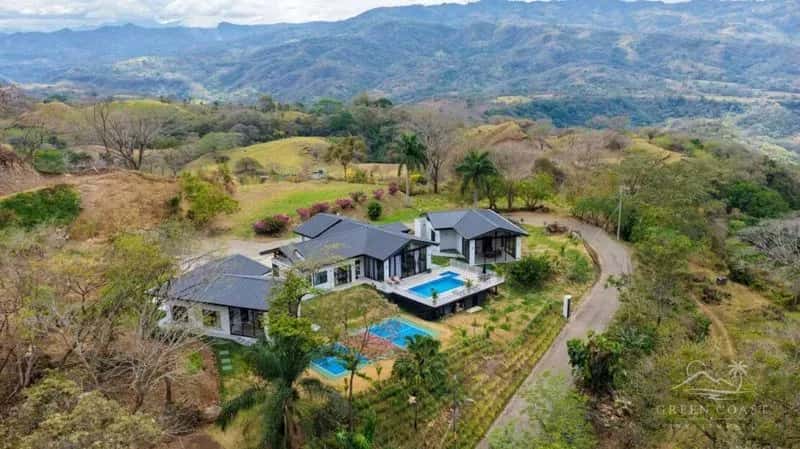
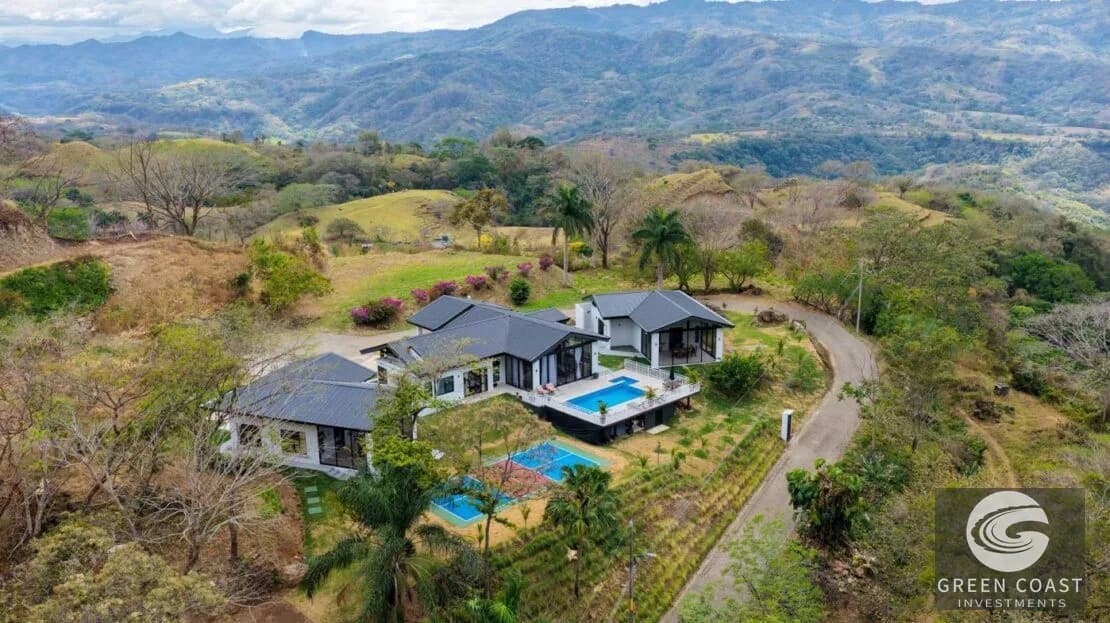
Luxury and Ultra-High-Net-Worth (USD 750,000 – USD 90,000,000):* At the upper end, the market includes luxury penthouses, expansive mountain-view estates, and massive land parcels suitable for commercial development or private family compounds. For those seeking the pinnacle of suburban luxury, you can purchase this Luxury Estate with 3 Homes, Pool & Pickleball Court on 1.75 Acres in Gated Las Rocas Community, which exemplifies the high-end inventory available in secure neighborhoods.
What Buyers Compare Locally
When evaluating a central valley costa rica real estate investment, buyers typically weigh several micro-markets against one another based on climate, lifestyle, and infrastructure.
The most common comparison occurs between the western suburbs of Escazú and Santa Ana versus the eastern suburbs of Curridabat and Tres Ríos. The western side offers a warmer climate, immediate access to premium shopping centers, and a high concentration of bilingual schools. Conversely, the eastern side appeals to those seeking cooler temperatures, a more traditional Costa Rican atmosphere, and proximity to major universities.
Additionally, investors frequently compare the urban convenience of the Central Valley to coastal markets like Jacó. While Jacó attracts buyers focused purely on vacation rentals and beach access, the Central Valley wins over long-term investors due to its stable year-round tenancy, lower vacancy rates, and superior healthcare facilities. Interested buyers can view listings across these diverse micro-climates to find the perfect match for their portfolio.
---
Buying Process
Foreigners have the same constitutional rights to purchase and own property as locals. You do not need residency or citizenship to own land outright, and property can be held directly in your personal name or through a newly formed Costa Rican corporation (sociedad anónima). The only exception lies within the Maritime Zone (the first 200 meters of the high tide line on the coasts), but because the Central Valley is located entirely inland, buyers here enjoy unrestricted fee simple ownership.
Foreign Ownership Basics
The Central Valley real estate market currently features 307 active listings, with a price range spanning from USD 40,000 for modest lots to USD 90,000,000 for expansive estate tracts and commercial developments. The average listing price in this region stands at USD 1,531,042, reflecting a mix of luxury suburban estates in Escazú and Santa Ana alongside agricultural land and urban condominiums.
To secure a property, buyers typically submit a written offer through a registered real estate broker. Once accepted, a bilingual notary public—who must also be a licensed attorney in Costa Rica—is retained to draft the buy-sell agreement (promesa de compraventa) and conduct the title search. A standard earnest money deposit of 10% is then placed into a registered escrow account.
Closing Timeline and Costs
The average timeline to close a real estate transaction in the Central Valley is 30 to 60 days. This period allows the notary to verify that the title is free of liens, annotations, and municipal tax debts in the National Registry (Registro Nacional).
Closing costs generally total about 3.5% to 4% of the property's declared value. These expenses are traditionally split 50/50 between the buyer and the seller, though alternative structures can be negotiated. The standard breakdown of these transaction costs includes:
Real Estate Transfer Tax:* 1.5% of the registered transfer value.
National Registry Fees:* Approximately 0.5% in documentary stamps.
Notary/Attorney Fees:* Calculated on a sliding scale set by law, averaging 1% to 1.25% of the purchase price.
Escrow Fees:* Around USD 500 to USD 1,000, depending on the provider.
---
Common Questions
Investing in Central Valley Costa Rica real estate investment opportunities requires a clear understanding of local financing structures, tax liabilities, and how the region aligns with your long-term residency goals. With 307 active listings ranging from entry-level properties at $40,000 to luxury estates priced up to $90,000,000—averaging $1,531,042—understanding the financial and lifestyle realities of this market is essential before committing capital.
Financing and Taxes in the Central Valley
Securing a mortgage in Costa Rica differs significantly from the process in the United States or Canada. Local state banks rarely finance non-resident foreigners, and when they do, the interest rates are high and the paperwork is extensive. Most international buyers secure capital through home equity lines of credit (HELOCs) on their domestic properties, utilize self-directed IRAs, or negotiate developer and seller financing.
Tax obligations in the Central Valley are relatively low compared to North American standards, which enhances the net yield on investment properties.
Property Tax (Impuesto Territorial):* A flat annual rate of 0.25% of the registered property value.
Luxury Home Tax (Impuesto Solidario):* Applies only to construction values exceeding a specific threshold (approximately $270,000), sliding from 0.25% to 0.55%.
Capital Gains Tax:* Standardized at 15% on the net gain of investment properties, though primary residences are generally exempt.
Corporate Tax: If you hold your asset within a Costa Rican corporation (sociedad anónima*), you will pay an annual corporate tax of roughly $100 to $300, plus a municipal business license fee if the property generates rental income.
Residency Pathways and Lifestyle Integration
Acquiring real estate in the Central Valley is a direct pathway to legal residency. Under the current Inversionista (Investor) residency category, foreigners who invest a minimum of $150,000 in real estate, active businesses, or specific funds qualify for temporary residency. This status extends to spouses and dependents under 25.
Choosing the Central Valley over coastal hubs like Jacó or Manuel Antonio comes down to lifestyle preferences. The Central Valley appeals to investors seeking a temperate, spring-like climate year-round, eliminating the need for constant air conditioning. It offers immediate proximity to the country’s top private hospitals (CIMA and Clínica Bíblica), international schools, corporate business parks, and the Juan Santamaría International Airport (SJO). This infrastructure makes the region highly attractive for long-term expat rentals and executive housing, contrasting with the highly seasonal vacation rental markets found along the Pacific coast.
---
Micro-Market Profiles
To make an informed investment decision, you must understand the distinct neighborhoods that comprise the Central Valley. Each area offers a unique microclimate, demographic profile, and commercial ecosystem.
Escazú: The Upscale Commercial Hub
Often referred to as the Beverly Hills of Costa Rica, Escazú is the primary destination for luxury living and high-end retail.
Demographics:* Home to wealthy locals, diplomats, and multinational executives.
Property Types:* High-rise luxury condominiums, modern townhomes, and sprawling hillside estates.
Key Amenities:* Multiplaza Mall, Avenida Escazú, CIMA Hospital, and the Costa Rica Country Club.
Investment Appeal:* High rental demand from corporate tenants and strong historical capital appreciation.
Santa Ana: The Modern Corporate Valley
Located just west of Escazú, Santa Ana features a slightly warmer climate and a flatter topography. It has evolved from a quiet agricultural town into a major corporate and residential center.
Demographics:* Young professionals, expat families, and corporate managers.
Property Types:* Gated communities (condominios), contemporary lofts, and commercial office parks.
Key Amenities:* Forum 1 and Forum 2 business parks, Lindora shopping district, and several international schools.
Investment Appeal:* Excellent liquidity for mid-market rentals and close proximity to major employment hubs.
Alajuela and Heredia: The Industrial and Tech Corridors
These two provinces border San José to the north and west, serving as the industrial backbone of the Central Valley.
Demographics:* Middle-class Costa Rican families, tech sector employees, and university students.
Property Types:* Affordable single-family homes, mid-rise apartments, and large industrial land parcels.
Key Amenities:* Juan Santamaría International Airport, Coyol Free Zone, and the National University.
Investment Appeal:* High-yield student housing and workforce housing for employees of multinational medical device and tech companies.
Curridabat and Tres Ríos: The Eastern Academic Zone
The eastern side of the Central Valley offers a cooler climate and a more traditional, academic-focused lifestyle.
Demographics:* Academics, medical professionals, and long-term expat residents.
Property Types:* Classic Spanish-colonial homes, master-planned suburban communities, and mixed-use developments.
Key Amenities:* University of Costa Rica, top-tier private schools, and the Momentum Pinares commercial center.
Investment Appeal:* Stable, long-term residential demand with lower entry prices compared to the western suburbs.
---
Due Diligence and Legal Protections
While Costa Rica offers a secure legal framework for property ownership, conducting thorough due diligence is critical to protecting your capital. Working with an independent attorney who represents your interests exclusively is the most important step in the process.
Title Search and Verification
Your attorney must verify the property's status in the National Registry (Registro Nacional). This search confirms:
1. Ownership: The seller has the legal right to transfer the property.
2. Liens and Encumbrances: The property is free of mortgages, judicial liens, or pending lawsuits.
3. Annotations: There are no pending filings or disputes that could affect the transfer of ownership.
4. Boundary Lines: The registered survey map (plano catastrado) matches the physical boundaries of the land.
Zoning and Land Use (Uso de Suelo)
Before purchasing land for development or commercial use, you must obtain a land-use certificate (uso de suelo) from the local municipality. This document details:
* What types of structures can be built on the property.
* The maximum construction density and footprint allowed.
* Any environmental restrictions, such as proximity to natural springs, rivers, or protected forest areas.
Utility Availability
In Costa Rica, building permits require proof of water availability. Your attorney must secure a water letter (carta de agua) from the local water authority (AyA) or the local administrative association (ASADA). Without this document, you cannot legally build on the property, regardless of zoning approvals.
---
Strategic Investment Outlook for 2026
The Central Valley real estate market continues to mature, driven by steady foreign direct investment and a growing domestic middle class. In our years on this coast and in the highlands, we have observed that buyers who prioritize structural access and neighborhood stability consistently outperform those chasing short-term trends. For investors looking to deploy capital in 2026, the region offers a defensive asset class that balances capital preservation with reliable cash flow.
By focusing on properties near free trade zones, international schools, and major transportation corridors, you can capitalize on the consistent demand for high-quality rental housing. Whether you choose a modern condo in Santa Ana or a luxury estate in the hills of Escazú, the Central Valley provides a stable foundation for your international real estate portfolio.