
Living in Central Valley Costa Rica: Expat Life, Cost of Living & Community Guide 2026
Living in Central Valley Costa Rica provides expats with year-round spring-like weather, modern amenities, and access to quality healthcare at a fraction of North American costs. The region encompasses popular expat communities like Escazú, Santa Ana, Heredia, and Alajuela, where couples typically spend USD 2,500-3,500 monthly including housing, while property prices for established homes range from USD 300,000 to over USD 1 million. Foreign buyers enjoy the same ownership rights as Costa Rican citizens, with no restrictions on property purchases and straightforward residency options for retirees and remote workers.
The Central Valley sits at 3,000-4,000 feet elevation, creating a temperate microclimate that avoids coastal heat while maintaining easy access to both Pacific and Caribbean beaches within 1-2 hours. This geographic advantage, combined with Juan Santamaría International Airport proximity, reliable high-speed internet, and established English-speaking communities, makes the region practical for full-time relocation, retirement, or remote work abroad. The Central Valley's diverse neighborhoods offer options across various budgets and lifestyle preferences, from international schools and golf courses to traditional coffee culture.
Overview
Living in Central Valley Costa Rica offers expats urban convenience, year-round spring-like weather, and proximity to both Pacific and Caribbean coasts. The Central Valley encompasses the greater San José metropolitan area, including popular expat communities like Escazú, Santa Ana, Heredia, and Alajuela, where you'll find modern amenities, international schools, quality healthcare, and a well-established English-speaking population. Most expats choose this region for its temperate climate at 3,000-4,000 feet elevation, avoiding the intense coastal heat while maintaining easy access to beaches within 1-2 hours.
This guide addresses international buyers and expats considering a move to Costa Rica's Central Valley for full-time relocation, retirement, or remote work. You'll find practical information about daily living costs, community dynamics, healthcare access, and establishing residency in this region.
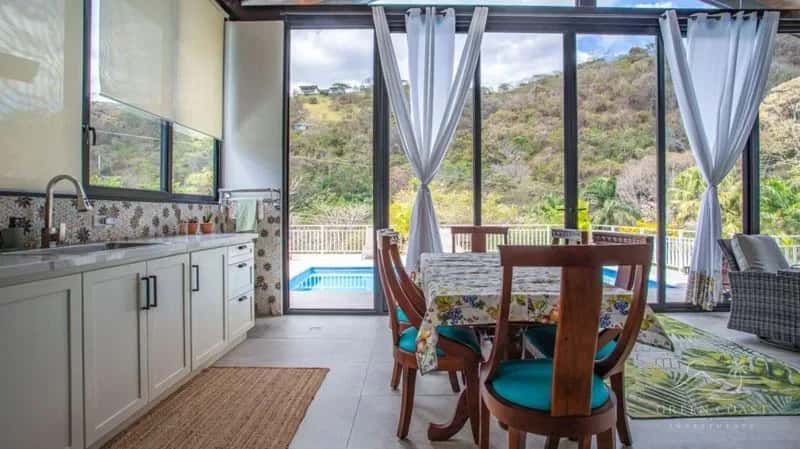
In our years working with buyers throughout the Central Valley, we've seen the real estate market reflect consistent demand for well-appointed homes in established neighborhoods. Current pricing typically represents properties in sought-after areas like Escazú's gated communities or Santa Ana's hillside developments, where homes often include multiple bedrooms, modern construction, and amenities like pools and mountain views. Properties like this Luxury Estate with 3 Homes, Pool & Pickleball Court on 1.75 Acres in Gated Las Rocas Community demonstrate the quality available in the region's premium communities.
The region serves as Costa Rica's economic and cultural center, hosting the majority of the country's population and infrastructure. You'll find reliable high-speed internet throughout most areas, making it suitable for remote workers and digital nomads. The Juan Santamaría International Airport in Alajuela provides convenient access for international travel, while the Central Valley's central location means weekend trips to Jacó, Manuel Antonio, or the Caribbean coast remain easily achievable.
Understanding the Central Valley's microclimates, neighborhood characteristics, and community differences will help you identify which specific area aligns with your lifestyle preferences and budget. Each town within the valley offers distinct advantages, from Heredia's coffee culture and university atmosphere to Santa Ana's modern shopping centers and golf courses.
Climate and geography
The Central Valley's elevation between 3,000-4,000 feet creates a temperate microclimate that distinguishes it from Costa Rica's coastal regions. Daytime temperatures typically range from 70-80°F year-round, with nighttime lows dropping to 60-65°F. This consistency eliminates the need for air conditioning or heating in most homes, reducing utility costs and providing comfortable living conditions regardless of season.
Rainfall patterns follow two distinct seasons: the dry season from December through April and the rainy season from May through November. During rainy months, expect afternoon showers lasting 1-3 hours, with mornings generally remaining clear. Total annual rainfall varies by specific location within the valley, with areas closer to the mountains receiving more precipitation than lower-elevation zones. Heredia and its northern suburbs tend to be cooler and wetter than Escazú or Santa Ana.
The valley's topography creates multiple microclimates within short distances. Higher-elevation neighborhoods in Escazú's hills or Heredia's mountain communities experience temperatures 5-10 degrees cooler than lower areas. This variation allows buyers to select neighborhoods based on temperature preferences—some expats prefer the slightly warmer conditions in Santa Ana's lower elevations, while others seek the crisp mountain air in areas like San Isidro de Heredia or the hills above Escazú.
Geographic positioning provides practical advantages beyond climate. The Central Valley sits roughly equidistant from both coasts, placing Pacific beaches 1-2 hours west and Caribbean shores 2-3 hours east. This central location allows weekend beach trips without requiring coastal residence, which often involves higher humidity, salt air corrosion, and increased maintenance costs. Mountain ranges surrounding the valley create natural boundaries that moderate weather patterns and provide scenic backdrops visible from many properties.
Cost of living breakdown
Couples living in Central Valley Costa Rica typically spend USD 2,500-3,500 monthly, though individual expenses vary based on lifestyle choices and housing arrangements. This range includes rent or mortgage payments, utilities, groceries, transportation, healthcare, and entertainment. Homeowners who have paid off properties can reduce monthly expenses to USD 1,500-2,000 by eliminating housing costs.
Housing costs
Rental prices vary significantly by neighborhood and property type. A modern two-bedroom apartment in Escazú or Santa Ana typically costs USD 1,000-1,500 monthly, while similar properties in Heredia or Alajuela range from USD 700-1,200. Three-bedroom houses in gated communities with pools and security run USD 1,500-2,500 monthly in premium areas, dropping to USD 1,000-1,800 in more affordable zones like Grecia or Atenas.
Homeowner association fees in gated communities typically range from USD 100-300 monthly, covering security, common area maintenance, and sometimes amenities like pools, tennis courts, or clubhouses.
Utilities and services
Electricity costs average USD 80-150 monthly for typical homes, though this varies based on usage patterns. The temperate climate eliminates air conditioning needs, significantly reducing consumption compared to coastal areas. Water bills typically run USD 15-30 monthly. Internet service from providers like Kolbi, Tigo, or Movistar costs USD 40-80 monthly for high-speed connections suitable for remote work, with fiber optic availability in most urban areas.
Garbage collection through private services costs USD 10-20 monthly in areas without municipal pickup. Propane for cooking and hot water runs approximately USD 20-40 monthly depending on usage.
Food and groceries
Grocery costs for couples average USD 400-600 monthly shopping at a mix of local farmers markets and supermarkets. Shopping exclusively at upscale chains like AutoMercado or PriceSmart increases costs to USD 600-800 monthly, while focusing on local markets and discount stores like Palí or Walmart can reduce expenses to USD 300-450. Imported products carry significant markups—expect to pay 50-100% more for US brands compared to domestic alternatives.
Dining out varies widely by restaurant type. Local sodas (small family restaurants) serve casado meals for USD 4-7, while mid-range restaurants charge USD 10-20 per entrée. Upscale dining in Escazú or Santa Ana runs USD 25-50 per person. Couples who eat out 2-3 times weekly typically budget USD 300-500 monthly for restaurants.
Transportation
Owning a vehicle involves several costs beyond the purchase price. Mandatory vehicle insurance (SOAP) costs approximately USD 200-400 annually depending on vehicle value, while optional full coverage adds USD 800-1,500 annually. Gasoline runs approximately USD 5 per gallon, with monthly fuel costs of USD 100-200 for typical driving patterns. Annual vehicle inspections (riteve) cost USD 30-50.
Public transportation offers economical alternatives. Bus fares within the Central Valley cost USD 0.50-1.50 per trip, making monthly transportation costs minimal for those comfortable using public transit. Uber and other ride-sharing services operate throughout the valley, with typical trips costing USD 3-10 within the same town or USD 15-25 between major communities.
Healthcare
Private healthcare through facilities like CIMA Hospital or Clínica Bíblica costs significantly less than US equivalents. Doctor visits run USD 60-100, specialist consultations USD 80-150, and diagnostic tests like MRIs USD 300-500 compared to USD 1,000-3,000 in the US. Private health insurance for expats costs USD 150-400 monthly depending on age and coverage level, with policies from INS (the national insurance provider) or international carriers like Blue Cross.
Many expats opt for a hybrid approach, maintaining catastrophic coverage while paying cash for routine care. Prescription medications cost 30-70% less than US prices for most drugs, though some specialized medications may be unavailable or require importation.
Additional expenses
Cell phone service costs USD 20-50 monthly for plans with adequate data. Household help is common and affordable—housekeepers charge USD 15-25 per day, while gardeners cost USD 20-40 per visit. Many expats employ housekeepers weekly or biweekly, adding USD 60-200 to monthly budgets.
Entertainment expenses depend on personal preferences. Movie tickets cost USD 5-8, gym memberships run USD 30-60 monthly, and golf at courses like Valle del Sol or Cariari costs USD 60-100 per round. National park entrance fees range from USD 10-20, making weekend nature excursions affordable.
Healthcare system
The Central Valley provides access to Costa Rica's highest-quality medical facilities, with private hospitals concentrated in San José and surrounding communities. CIMA Hospital in Escazú and Clínica Bíblica in downtown San José serve as the primary facilities for expats, offering English-speaking staff, modern equipment, and internationally trained physicians. Hospital La Católica in San José and Hospital Metropolitano provide additional options with similar quality standards.
Costa Rica operates a dual healthcare system. The public system (Caja Costarricense de Seguro Social, commonly called "Caja") provides universal coverage to citizens and legal residents, funded through payroll taxes or voluntary contributions for those without employment. Legal residents pay approximately 7-11% of reported income monthly, with a minimum payment around USD 75-100. The public system offers comprehensive coverage including preventive care, hospitalization, and prescriptions, though wait times for non-emergency procedures can extend weeks or months.
Most expats utilize private healthcare for routine and urgent care while maintaining Caja coverage for catastrophic situations or as a residency requirement. Private facilities accept walk-in appointments with minimal wait times—you can typically see a general practitioner within 24 hours and specialists within 2-5 days. The cost differential makes private care accessible: a general practitioner visit costs USD 60-100, specialist consultations run USD 80-150, and even complex procedures like knee replacements cost USD 12,000-15,000 compared to USD 30,000-50,000 in the US.
Prescription medications are widely available at pharmacies throughout the Central Valley, with many drugs available over the counter that require prescriptions in the US. Pharmacies like Fischel operate throughout the region, and most medications cost 30-70% less than US prices. Pharmacists often provide basic medical advice and can recommend appropriate over-the-counter treatments for minor conditions.
Dental care attracts medical tourists due to quality and affordability. Routine cleanings cost USD 40-70, fillings run USD 60-120, and crowns range from USD 350-600. Many dentists in Escazú and Santa Ana cater specifically to expats with English-speaking staff and US-standard practices.
Emergency services operate through 911, with ambulances dispatched from Red Cross stations throughout the valley. Response times in urban areas typically run 10-20 minutes.
Expat communities and social life
The Central Valley hosts Costa Rica's largest concentration of expats, with established English-speaking communities throughout Escazú, Santa Ana, Heredia, and Alajuela. Each area attracts different demographics and offers distinct social environments.
Escazú draws affluent retirees and business professionals, with a cosmopolitan atmosphere centered around upscale shopping, international restaurants, and cultural events. The American International School and Country Day School attract families with school-age children, creating a community of younger expats alongside retirees.
Santa Ana appeals to golf enthusiasts and those seeking modern amenities, with communities built around Valle del Sol Golf Course and proximity to shopping centers like Lindora Corporate Center and Momentum. The expat population skews slightly younger than Escazú, with many remote workers and entrepreneurs choosing the area for its infrastructure and business-friendly environment.
Heredia and its surrounding towns (San Isidro, San Rafael, San Antonio) attract expats seeking cooler temperatures, traditional Costa Rican culture, and proximity to the airport. The area hosts a mix of retirees and families, with a more laid-back atmosphere than Escazú or Santa Ana. Coffee culture remains strong, with numerous cafés serving locally grown beans and providing gathering spots for expat communities.
Alajuela and surrounding towns like Grecia and Atenas draw budget-conscious retirees and those preferring smaller-town environments. These areas maintain stronger Tico (Costa Rican) character with fewer English-speaking services, requiring more Spanish proficiency for daily life.
Social organizations facilitate connections among expats. The Association of Residents of Costa Rica (ARCR) provides resources, social events, and assistance with residency applications. Newcomers clubs in various communities organize activities and help recent arrivals establish social networks. Facebook groups like "Expats in Costa Rica" and location-specific groups provide information sharing and event coordination.
Religious communities serve expat populations throughout the valley. English-language services are available at several churches, including Union Church in San José, Escazú Christian Fellowship, and International Baptist Church. These congregations often serve as social hubs beyond religious services, organizing community events and volunteer opportunities.
Volunteer opportunities allow expats to engage with local communities. Organizations like PANI (child welfare), animal rescue groups, and environmental conservation projects welcome expat volunteers. Many expats find volunteer work provides purpose and deeper cultural integration beyond tourist experiences.
Language exchange groups operate throughout the valley, pairing Spanish learners with English learners for mutual practice. These meetups occur at cafés and community centers, providing free language practice and cultural exchange. While English suffices for basic transactions in expat-heavy areas, Spanish proficiency significantly enhances the living experience and opens access to local services, friendships, and cultural understanding.
Education and family considerations
Families relocating to the Central Valley find multiple international school options offering US, British, or International Baccalaureate curricula. School selection often determines neighborhood choice, as commute times significantly impact daily family life.
The Country Day School in Escazú follows a US-based curriculum and serves students from pre-kindergarten through grade 12. Annual tuition ranges from USD 8,000-15,000 depending on grade level. The school maintains accreditation from US educational organizations, facilitating college applications and transfers back to US schools.
The American International School of Costa Rica, also in Escazú, offers similar programming with annual costs in the USD 9,000-16,000 range. Both schools require application processes that can take several months, and spaces in popular grade levels sometimes fill a year in advance.
European International School in Heredia provides British curriculum education with International Baccalaureate options for older students. Annual fees run USD 7,000-13,000, and the location appeals to families preferring Heredia's cooler climate and airport proximity.
Blue Valley School in Escazú offers bilingual education combining Costa Rican and international curricula, with annual costs of USD 6,000-12,000.
Costa Rican public schools operate on a different calendar than US schools, running from February through December with breaks in July and December.
Extracurricular activities for children include sports leagues, music lessons, and outdoor programs. Soccer leagues operate year-round, while activities like horseback riding, swimming, and tennis are readily available. The Central Valley's proximity to national parks and outdoor recreation areas provides weekend family activities including hiking, zip-lining, and wildlife observation.
Childcare costs significantly less than US equivalents. Full-time nannies earn USD 400-700 monthly, while part-time care runs USD 3-5 per hour. Many expat families employ live-in help, providing room and board plus USD 300-500 monthly salary. Daycare centers charge USD 200-500 monthly depending on location and services.
Healthcare for children follows the same dual-system approach as adults. Pediatricians at private facilities charge USD 60-100 per visit, and most expat families establish relationships with English-speaking pediatricians at CIMA or Clínica Bíblica. Vaccinations follow international schedules and cost significantly less than US prices.
Market context
In our years working throughout the Central Valley, we've observed how desirable properties move quickly, particularly in established expat communities like Escazú, Santa Ana, and Heredia. The market reflects consistent demand for homes that combine modern amenities with security features and convenient access to international schools, healthcare facilities, and the airport.
Buyers evaluating Central Valley properties compare options across several distinct zones. Escazú and Santa Ana attract those prioritizing proximity to international schools, modern shopping centers, and upscale dining, with prices generally ranging from USD 300,000 for condominiums to well over USD 1 million for luxury homes. Heredia and its surrounding areas, including San Isidro and San Rafael, appeal to buyers seeking cooler temperatures, established neighborhoods, and easier access to the airport, with similar price ranges but often more land per dollar. Alajuela offers more affordable entry points, particularly in towns like Grecia and Atenas, where USD 200,000-400,000 can secure comfortable homes with larger lots.
Central Valley Neighborhood Comparison
| Neighborhood | Price Range (USD) | Key Features | Distance to Airport |
|--------------|-------------------|--------------|---------------------|
| Escazú | 300,000 - 1,500,000+ | International schools, upscale dining, shopping | 30-40 minutes |
| Santa Ana | 350,000 - 1,200,000+ | Golf courses, modern malls, gated communities | 25-35 minutes |
| Heredia | 250,000 - 900,000 | Coffee culture, university town, cooler climate | 15-20 minutes |
| Alajuela | 200,000 - 600,000 | Airport proximity, traditional Costa Rican feel | 10-15 minutes |
| Grecia/Atenas | 200,000 - 500,000 | Larger lots, mountain views, lower density | 30-45 minutes |
International buyers frequently compare the Central Valley against coastal markets like Tamarindo, Nosara, and Jacó. Beach towns offer ocean access and tourism rental potential, while the Central Valley provides year-round temperate climate, superior infrastructure, comprehensive healthcare through facilities like CIMA and Clínica Bíblica, and practical daily living amenities. The trade-off involves sacrificing beach proximity for reliability in services, shorter drives to Juan Santamaría International Airport, and established expat support networks.
Inventory fluctuates seasonally, with more listings typically emerging during North American winter months. Properties priced competitively for their location and condition rarely remain available beyond 60-90 days, especially in sought-after communities with HOA management, security features, and mountain views. Buyers should expect to encounter a mix of new construction, established homes requiring updates, and properties in move-in condition commanding premium pricing.
Property appreciation in the Central Valley has historically tracked at 3-5% annually in established neighborhoods, though rates vary by specific location and property type. Areas experiencing infrastructure improvements or new commercial development may see higher appreciation, while oversupplied segments or properties requiring significant updates may appreciate more slowly.
Buying process
Foreign buyers enjoy the same property ownership rights as Costa Rican citizens. The country's constitution guarantees foreigners can hold direct title to property through fee simple ownership, with no restrictions on the percentage of foreign ownership or requirements for local partnerships. You can purchase property in your personal name, through a Costa Rican corporation (sociedad anónima), or via an LLC, with many buyers opting for corporate ownership to simplify future transfers and provide additional privacy.
Foreign ownership basics
The most common ownership structure involves forming a Costa Rican corporation, which costs approximately USD 800-1,200 to establish through a local attorney. This approach offers benefits including reduced transfer taxes on future sales (typically 1.5% versus 3% for personal ownership) and streamlined inheritance processes. Corporate ownership also provides privacy, as the corporation owns the property rather than individuals appearing in public records.
Direct personal ownership provides simplicity and transparency, particularly for primary residences. All property transactions require a Costa Rican attorney to conduct title verification through the National Registry, ensuring clear ownership and confirming no liens, encumbrances, or boundary disputes exist. Budget USD 1,500-2,500 for legal fees on a standard residential purchase.
Title insurance is available through US-based companies operating in Costa Rica, though it's less common than in the US due to the National Registry's comprehensive recording system. Policies cost approximately 0.5-1% of purchase price and provide protection against title defects or ownership disputes.
Due diligence requirements
Your attorney will conduct a title study examining the property's history through the National Registry. This process takes 15-20 days and verifies the seller's ownership, confirms property boundaries match survey maps, and identifies any liens, mortgages, or restrictions. The attorney also reviews municipal records to ensure property taxes are current and no outstanding debts exist.
Survey verification confirms physical boundaries match registered dimensions. Discrepancies between physical markers and registered measurements can delay closings or require boundary corrections. Properties in gated communities typically have recent surveys, while older properties in established neighborhoods may require new surveys costing USD 300-800.
Environmental restrictions apply to properties near water sources, steep slopes, or protected areas. Your attorney should verify the property has appropriate permits for existing structures and confirm any planned construction complies with setback requirements and environmental regulations.
Closing timeline and costs
The typical closing timeline spans 60-90 days from offer acceptance to final transfer. During this period, you'll deposit funds into an escrow account managed by your attorney or a licensed escrow company. Escrow services charge approximately 0.5-1% of the purchase price.
Closing costs generally total 4-6% of the purchase price, including:
Transfer tax: 1.5% (corporate ownership) or 3% (personal ownership)
Legal fees: 1-1.5%
Notary fees: approximately 0.5%
Registration fees: 0.5%
Title study: USD 300-500
Stamps and miscellaneous: 0.25-0.5%
Property taxes in Central Valley average 0.25% of registered value annually, calculated on the greater of registered value or municipal assessment. Registered values often lag market values, resulting in lower tax bills than the 0.25% rate would suggest based on purchase price.
Wire transfers from US banks typically arrive within 2-3 business days, and most sellers accept USD for transactions, though the official currency is the Costa Rican colón. Banks require documentation of fund sources for anti-money laundering compliance, so prepare to provide bank statements or other proof of funds origin.
The closing occurs at a notary's office, where both parties sign transfer documents. The notary then files the transfer with the National Registry, which typically processes the registration within 10-15 business days. You receive official ownership once the Registry completes the registration and issues updated property records.
Residency pathways
Costa Rica offers several residency options for expats, each with different requirements and benefits. Residency status provides access to the public healthcare system, allows legal employment, and facilitates banking and other services requiring legal status.
Pensionado (retiree) residency
The pensionado program requires proof of USD 1,000 monthly pension income from a government or private pension. Acceptable sources include Social Security, military pensions, or private retirement accounts with guaranteed monthly distributions. You must provide documentation from the pension source, authenticated and apostilled in your home country, along with a clean criminal background check.
The application process takes 6-12 months through Costa Rican immigration (DGME). You'll need a local attorney to file the application and navigate the bureaucratic requirements. Legal fees for residency applications typically run USD 2,000-3,500, not including translation and authentication costs for documents.
Rentista residency
The rentista category requires demonstrating USD 2,500 monthly income for at least two years. This can come from investments, rental properties, or other passive income sources. You must deposit USD 60,000 in a Costa Rican bank or provide a bank letter guaranteeing USD 2,500 monthly transfers for two years.
This option suits younger expats who don't qualify for pensionado status but have investment income or other passive revenue streams. The application process and timeline mirror the pensionado program.
Investor residency
Foreign nationals who invest at least USD 200,000 in Costa Rican real estate, businesses, or approved projects qualify for investor residency. The investment must remain in place throughout the residency period. Real estate investments qualify, making this option attractive for buyers purchasing higher-value properties who also want residency status.
Digital nomad and remote worker options
Costa Rica recently introduced temporary residency options for remote workers and digital nomads. These programs allow one-year renewable stays for individuals who work remotely for foreign companies or clients. Requirements include proof of employment