
Why Are Costa Rica Expat Properties in the Central Valley Surpassing Coastal Trends?
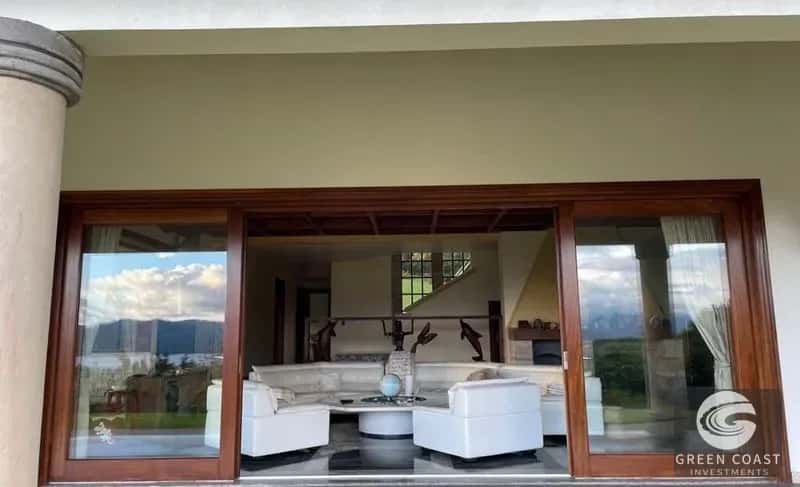
For buyers comparing active inventory, see Luxury Lake Arenal Estate: 4BR Oasis with Pool, Guest House & Panoramic Views.
In our years on this coast, we have watched the real estate landscape mature. Today, North American buyers are increasingly choosing costa rica expat properties in the Central Valley over humid beach towns. The reason comes down to a superior balance of climate control, infrastructure, and long-term value. While coastal regions like Jacó and Guanacaste experience extreme tropical heat and seasonal tourism surges, the Central Valley offers a stable, year-round residential environment.
This shift in buyer preference is reflected in the region's robust real estate market. The market currently features 87 active premium listings ranging from USD 40,000 to USD 3,800,000, with an average listing price of USD 570,993.
The Financial and Physical Comfort of the "Eternal Spring"
The primary driver behind this migration is the Central Valley's famous "eternal spring" climate. Situated at elevations ranging from 800 to 1,500 meters above sea level, locations such as Escazú, Santa Ana, and Atenas enjoy consistent temperatures averaging 70°F to 80°F (21°C to 27°C).
For expats, this microclimate translates directly into substantial financial savings. Unlike coastal properties that require 24/7 air conditioning to combat oppressive humidity, Central Valley homes utilize natural cross-breezes for cooling. This eliminates the massive monthly utility bills common in beach provinces, reducing long-term operational costs and minimizing wear and tear on household electronics and HVAC systems.
Urban Infrastructure Paired with Mountain Privacy
Beyond climate, the Central Valley provides a level of structural security and convenience that coastal areas cannot match. Expats do not have to compromise on privacy to access high-end amenities. Many premium properties are situated on large acreage or within secure gated communities along the mountain ridges, offering panoramic views while remaining minutes from essential services.
Education:* Access to top-tier, bilingual international schools accredited by Western associations.
Healthcare:* Proximity to JCI-accredited private hospitals, including CIMA and Clínica Bíblica.
Commerce:* High-end shopping centers, gourmet dining, and cultural hubs like the National Theatre.
This combination of metropolitan convenience and peaceful highland living makes the Central Valley a premier choice for retirees, remote executives, and families establishing permanent roots in Costa Rica.
What Are the Microclimate Differences Between Escazú, Santa Ana, and the Western Valley?
Microclimates in the Central Valley dictate daily life, with temperatures varying by as much as 10 degrees Fahrenheit between neighborhoods just 20 minutes apart. Elevation is the primary driver of this climate diversity, ranging from 800 meters (2,624 feet) to over 1,500 meters (4,921 feet) above sea level. This topography divides the region into two distinct zones: the warm, low-elevation valley floors of Santa Ana and Escazú, and the cooler, agricultural highlands of the Western Valley, which includes Atenas, Grecia, and San Ramón.
Currently, buyers analyzing costa rica expat properties in these sectors will find an active inventory of 87 listings, with a price range spanning USD 40,000 to USD 3,800,000, and an average market price of USD 570,993.
Escazú and Santa Ana: Low-Elevation Metropolitan Heat
Sitting at elevations between 800 and 1,000 meters, Escazú and Santa Ana feature a warm, tropical climate with daytime temperatures consistently reaching 82°F to 88°F. Escazú, climbing up the slopes of the Cerros de Escazú, offers slightly cooler evening breezes, while Santa Ana remains flat, dry, and consistently hot.
These high-end suburbs attract working expats, corporate executives, and digital nomads who prioritize infrastructure over cool mountain air. The climate here supports an active, indoor-outdoor lifestyle centered around private pools, air-conditioned luxury condominiums, and modern commercial centers.
The Western Valley: High-Elevation Cool and Agricultural Highlands
Moving west toward Atenas, Grecia, and San Ramón, the elevation climbs steadily up to 1,500 meters. This altitude shift drops average temperatures to a comfortable 70°F to 78°F year-round. Atenas sits in a sweet spot where humidity remains low and air conditioning is rarely necessary.
Further up the ridge, Grecia and San Ramón experience cooler, cloud-forest-adjacent weather where evening temperatures frequently dip into the low 60s, requiring light jackets and fireplace heating.
Demographics: Who Buys Where?
The stark climate differences split the expat demographic into two clear categories:
Working Expats and Digital Nomads:* Prefer Escazú and Santa Ana for the proximity to international schools, fiber-optic connectivity, and high-end shopping, accepting the warmer temperatures as a trade-off for urban convenience.
Retirees and Homesteaders:* Gravitate toward Atenas, Grecia, and San Ramón. These buyers seek the cooler, spring-like weather that eliminates the cost of running air conditioning, alongside larger plots of fertile land suitable for organic gardening and panoramic valley views.
Property Spotlight: The USD 1,600,000 Luxury Lake Arenal Estate
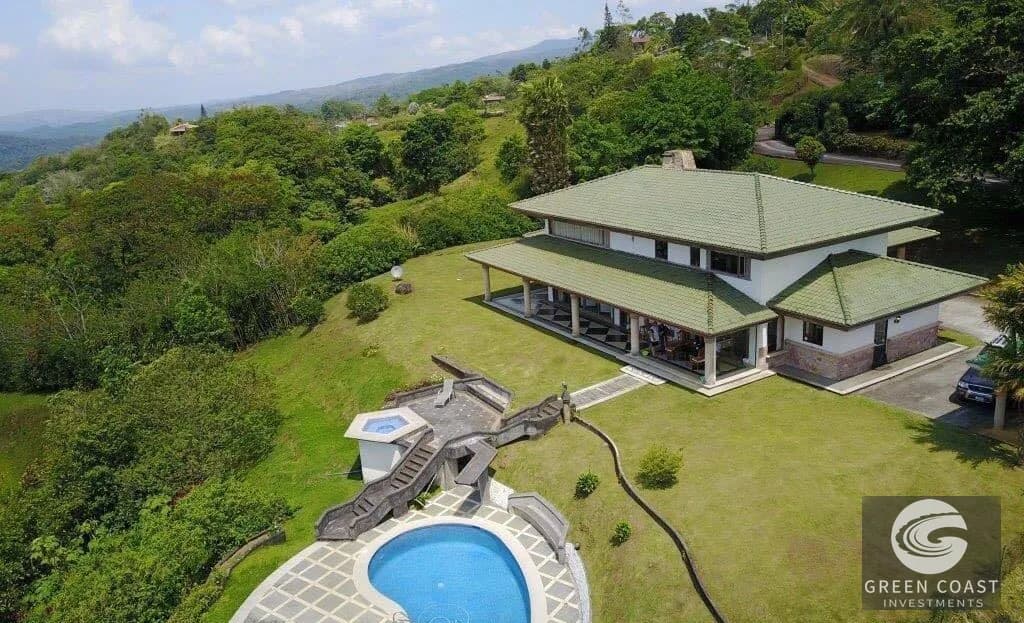
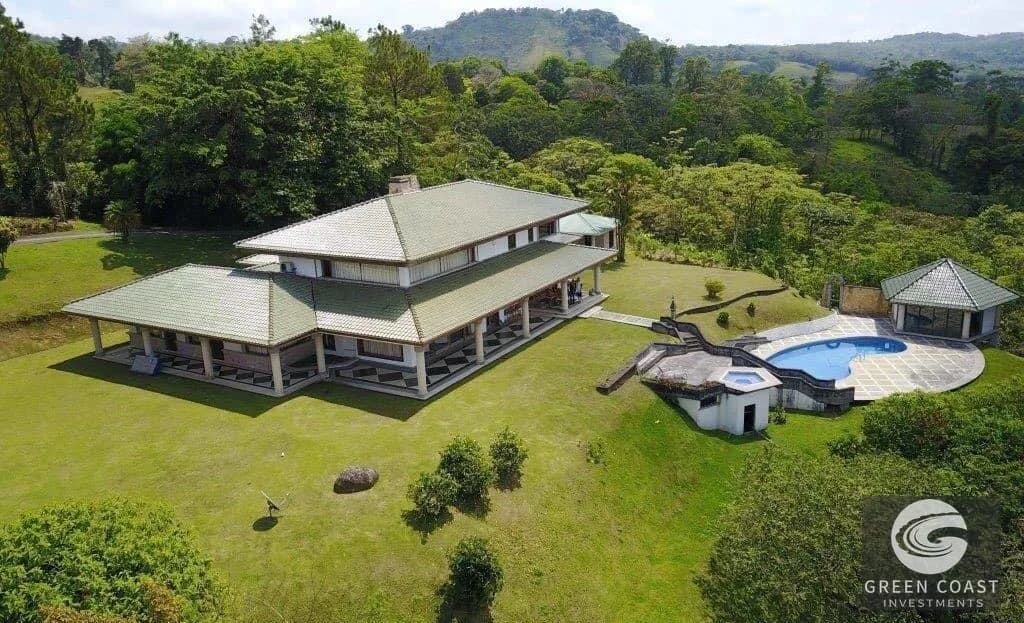
The featured USD 1,600,000 luxury Lake Arenal estate is a premier addition to the market of costa rica expat properties, offering a 4-bedroom main house with a private pool and a detached guest house. This dual-structure estate sits on a prime parcel overlooking the water, combining high-end modern construction with expansive panoramic views of Lake Arenal and the surrounding tropical canopy. For buyers seeking a balance between natural isolation and modern infrastructure, this property represents the pinnacle of upscale lakeside living.
Bridging the Gap Between Central Valley and Arenal
While many buyers begin their search in San José's western suburbs, this estate bridges the gap between Central Valley accessibility and the raw, natural beauty of the northern highlands. Located within a comfortable three-hour drive from Juan Santamaría International Airport (SJO) and top-tier medical facilities, the property allows residents to escape the urban congestion of Escazú or Santa Ana without sacrificing access to essential services. The cooler highland microclimate of Lake Arenal eliminates the need for constant air conditioning, offering a temperate, wind-swept environment that contrasts sharply with the humid coastal lowlands of Jacó or Manuel Antonio.
Dual-Structure Investment and Rental Yield Analysis
The architectural layout of this USD 1,600,000 estate maximizes both privacy and financial utility through its dual-structure design.
Multi-Generational Living:* The main 4-bedroom residence serves as a primary family hub, while the fully equipped guest house provides independent living quarters for visiting relatives or live-in staff.
Passive Income Generation:* Investors can leverage the secondary guest house as a premium short-term vacation rental. The Lake Arenal windsurfing and eco-tourism market generates consistent year-round demand, allowing owners to capture high nightly rates without compromising the privacy of the main home.
Lake Arenal Market Context
To understand the value proposition of this estate, it helps to examine the broader regional inventory. Currently, there are 87 active listings in the Lake Arenal area, spanning a wide price range of USD 40,000 to USD 3,800,000, with an average market price of USD 570,993. At USD 1,600,000, this estate sits in the upper-tier luxury segment of the market. This valuation is justified by its concrete-and-steel construction standards, private pool infrastructure, established land title, and unobstructed, permanent views of the lake—assets that are increasingly rare in lower price brackets.
How Do I Verify Water Rights and Building Permits Before Buying Central Valley Land?
To verify water rights and building permits before purchasing Central Valley land, you must secure an official water availability letter (carta de agua) from the national utility provider AyA or the local rural water board (ASADA), and obtain a zoning certificate (uso de suelo) from the local municipality. Without these two verified documents, you cannot legally obtain a building permit in Costa Rica. Buyers targeting costa rica expat properties must complete this due diligence during the contractual escrow period to avoid purchasing unusable land.
Currently, there are 87 active listings matching this land and development profile in the region, with a price range of USD 40,000 to USD 3,800,000, and an average price of USD 570,993. Securing these properties requires a systematic legal verification process.
Securing the Critical Carta de Agua
The carta de agua is the single most important document for any land purchase. In Costa Rica, water is a state-protected resource, and building permits are strictly withheld unless a certified water provider guarantees service to the specific parcel.
The Issuing Authorities: Your attorney must request the letter from either the Instituto Costarricense de Acueductos y Alcantarillados (AyA) or the specific neighborhood-run Asociación Administradora de Sistemas de Acueductos y Alcantarillados Sanitarios* (ASADA) governing the tract.
The Timeline:* Obtaining a municipal water letter typically takes 30 to 90 days. This timeline requires buyers to structure their purchase options with a due diligence clause of at least 60 to 90 days to protect their earnest money deposits.
Navigating Municipal Zoning Laws (Plan Regulador)
Zoning regulations in the Central Valley are not uniform; they vary significantly by canton. Each municipality governs its territory using a Plan Regulador (local zoning plan), which dictates land use, maximum footprint coverage (cobertura), and height restrictions.
Your legal representative must request an updated uso de suelo from the local municipality. This document details exactly what percentage of the property can be cleared and paved, whether the land is zoned for residential or commercial use, and any environmental setbacks—such as proximity to natural springs, rivers, or protected forestry zones—that might restrict construction.
Verifying Legal Road Access and Concessions
A plot of land cannot receive a building permit if it lacks recognized public road frontage. Your due diligence checklist must verify how the property connects to the public grid:
Public Frontage vs. Easements: Properties fronting a registered public road have immediate building rights. Properties accessed via a private easement (servidumbre de paso*) face strict limitations on the number of homes that can be built on the shared easement.
Concession Land: If the property borders protected zones or national parks, your lawyer must verify that any existing concessions are fully registered with the government registry (Registro Nacional*) and that all annual canon fees are paid in full.
What Are the Best Gated Communities in Escazú, Santa Ana, and Atenas?
The best gated communities (known locally as condominios) in Escazú, Santa Ana, and Atenas offer secure, high-end infrastructure that makes them the premier choice for buyers seeking premium costa rica expat properties. Across these three coveted Central Valley hubs, there are currently 87 active listings within gated developments, spanning a price range of USD 40,000 for raw building lots up to USD 3,800,000 for custom luxury estates, with an average market price of USD 570,993. While Escazú and Santa Ana cater to buyers wanting sophisticated suburban luxury close to San José, Atenas appeals to those prioritizing expansive views, larger lot sizes, and a more relaxed, rural-edge lifestyle.
Comparing the Top Central Valley Gated Enclaves
Escazú (The Urban Luxury Hub):* Communities like Cerro Real and Jaboncillos feature multi-level luxury homes built into the hillsides. These developments prioritize proximity to upscale bilingual schools, fine dining, and high-end retail.
Santa Ana (The Flat, Resort-Style Valley):* Enclaves such as Hacienda del Sol and Valle del Sol offer flat terrain, wide boulevards, and extensive family amenities. Valle del Sol stands out for its championship 18-hole golf course and professional tennis facilities.
Atenas (The Scenic Ridge Estates):* Communities like Roca Verde and Hacienda Atenas sit at a slightly lower elevation, offering larger acreage lots (often 0.5 to 2 acres) with panoramic mountain and valley views, catering to retirees who want privacy without isolation.
HOA Fees, Security Infrastructure, and Shared Amenities
Monthly HOA fees in these premium developments typically range from USD 150 to USD 600, depending on the scale of the shared infrastructure. This capital directly funds high-tier security and resort-style amenities:
Security Infrastructure:* Premium communities utilize triple-ring security protocols. This includes electrified perimeter fencing, 24/7 manned guardhouses with biometric access control for residents, and regular K-9 or vehicular patrols.
Shared Amenities:* Homeowners gain access to heated swimming pools, tennis and pickleball courts, fully equipped fitness centers, underground utilities, and clubhouse facilities.
How HOA Regulations Protect Long-Term Resale Value
For international buyers, the strict bylaws (reglamento de condominio) of these communities serve as a financial safeguard. These legally binding rules protect your investment by enforcing architectural guidelines that prevent neighbors from blocking your views or building non-conforming structures. Furthermore, they regulate noise levels, dictate paint color palettes, mandate regular exterior maintenance, and restrict commercial activities within the residential zone. This aesthetic and operational uniformity maintains high demand and stabilizes resale values over time.
How Close Will My Central Valley Property Be to SJO Airport and JCI-Accredited Hospitals?
Properties in the Central Valley offer unmatched proximity to international travel and world-class healthcare, with key expat towns located within a 15- to 40-minute drive of Juan Santamaría International Airport (SJO) and Joint Commission International (JCI) accredited private hospitals. For buyers evaluating costa rica expat properties, this rapid accessibility is a primary structural advantage over remote coastal regions, where reaching a trauma center or an international flight can require hours of travel on secondary roads.
Transit Times to SJO International Airport
Securing a home in the Central Valley ensures you are never far from a direct flight back to North America. Practical transit times from the region’s most popular expat enclaves to SJO Airport include:
Atenas to SJO:* 30 minutes via Route 27.
Grecia to SJO:* 35 to 40 minutes via the Bernardo Soto Highway.
Santa Ana to SJO:* 15 to 20 minutes via Route 27.
These short commute times make the Central Valley highly practical for bi-national residents, frequent business travelers, and expats who expect regular visits from family.
Proximity to JCI-Accredited Private Medical Facilities
Access to top-tier healthcare is a primary driver for North American retirees investing in Costa Rica. The Central Valley is the country's medical hub, hosting private facilities that rival the best hospitals in the United States and Canada at a fraction of the cost.
CIMA Hospital (Escazú):* This JCI-accredited facility is the gold standard for private care in Central America. From Santa Ana, CIMA Hospital is a direct 10-minute drive.
Clínica Bíblica (Santa Ana & San José):* Offering comprehensive emergency services, specialized surgeries, and outpatient care, their modern Santa Ana campus is situated directly within the western suburb's commercial corridor.
Central Valley Real Estate Market Context
The convenience of having metropolitan infrastructure alongside mountain views keeps demand for this region exceptionally strong. In the current market, there are 87 active listings in this category, spanning a price range of USD 40,000 to USD 3,800,000, with an average listing price of USD 570,993. This inventory ranges from lock-and-leave condominiums near the hospitals in Santa Ana to sprawling view estates in the hills of Atenas.
What Are the Hidden Costs of Owning a Luxury Home in the Central Valley?
Owning a luxury home in the Central Valley requires budgeting for several ongoing expenses beyond the initial purchase price, including the municipal property tax, the luxury home tax (Impuesto Solidario), corporate maintenance fees, and monthly utility and management costs. While costa rica expat properties offer competitive carrying costs compared to similar luxury markets in North America, buyers must understand these recurring financial obligations to manage their investment effectively.
Currently, the Central Valley market features 87 active listings with a price range of USD 40,000 to USD 3,800,000, and an average price of USD 570,993. Properties at the higher end of this spectrum trigger specific tax thresholds that buyers must calculate prior to closing.
The Luxury Home Tax (Impuesto Solidario)
The Impuesto Solidario is a sliding-scale tax applied to residential properties with construction values exceeding a specific government-set threshold, which is adjusted annually (typically around USD 250,000 for the construction value alone). Unlike standard property taxes, this tax targets the value of the main house and auxiliary structures, such as pools and ranchos, rather than the land itself. For high-value estates in Escazú or Santa Ana, this tax ranges from 0.25% to 0.55% of the assessed value and must be filed and paid annually by January 15th.
Municipal Taxes and Corporate Maintenance Fees
Costa Rica municipal property taxes are set at a flat rate of 0.25% of the registered property value. However, because most high-end costa rica expat properties are held within a corporate structure—typically a Sociedad Anónima (S.A.) or Sociedad de Responsabilidad Limitada (S.R.L.)—owners face additional corporate maintenance costs. These include:
Corporate Tax (Impuesto a las Personas Jurídicas):* An annual tax ranging from USD 120 to USD 380, depending on whether the corporation is active or inactive.
Resident Agent Fees:* An annual fee of USD 300 to USD 500 for a local attorney to serve as the registered agent.
Shareholder Registry Filing (Registro de Transparencia y Beneficiarios Finales):* An annual mandatory disclosure to the Central Bank.
Utilities, HOA Fees, and Property Management
Gated communities in the Central Valley charge monthly Homeowner Association (HOA) fees ranging from USD 200 to USD 800 to cover 24/7 security, common area maintenance, and amenities. For absentee owners, professional property management fees average 10% to 15% of monthly rental income, or a flat monthly fee of USD 150 to USD 400 for non-rental maintenance. Utility costs, particularly for homes with heated pools or central air conditioning, can add USD 150 to USD 500 per month depending on usage.
Frequently Asked Questions About Costa Rica Expat Properties
North American buyers can legally own 100% fee-simple property in Costa Rica with the exact same constitutional rights and protections as local citizens. Unlike some Latin American nations, there are no citizenship requirements or restrictive coastal zone laws for standard titled land, making costa rica expat properties highly secure investments. Whether purchasing through a personal name or a local corporation (Sociedad Anónima), your ownership rights are fully protected under the national constitution.
How Does the Residency Process Work When Purchasing Real Estate?
Investing in Costa Rica real estate is one of the most direct pathways to legal residency. Under the current Inversionista (Investor) residency category, foreigners who purchase real estate with a minimum investment of USD 150,000 qualify to apply for temporary residency.
This USD 150,000 threshold applies to the registered contract value of the property. The residency status extends to your spouse and dependent children under 25. After three years of holding temporary residency, you can apply for permanent residency, which grants working rights in the country.
What Is the Average Cost of Living for an Expat Couple in the Central Valley?
An expat couple can live comfortably in the Central Valley for USD 2,500 to USD 4,000 per month, depending on lifestyle choices. This budget easily covers high-speed fiber-optic internet, private healthcare, locally sourced groceries, utilities, and regular dining out.
While imported goods and luxury vehicles carry high import taxes, day-to-day expenses like property taxes (only 0.25% annually) and fresh produce are remarkably affordable compared to US and Canadian markets.
What Does the Current Central Valley Expat Market Look Like?
The market for dedicated expat housing in the Central Valley remains highly active. Current market data shows 87 active listings catering to this demographic, with a broad price range starting at USD 40,000 for modest building lots and reaching up to USD 3,800,000 for luxury estates. The average listing price for these properties sits at USD 570,993, reflecting the high demand for premium builds in secure gated communities.