
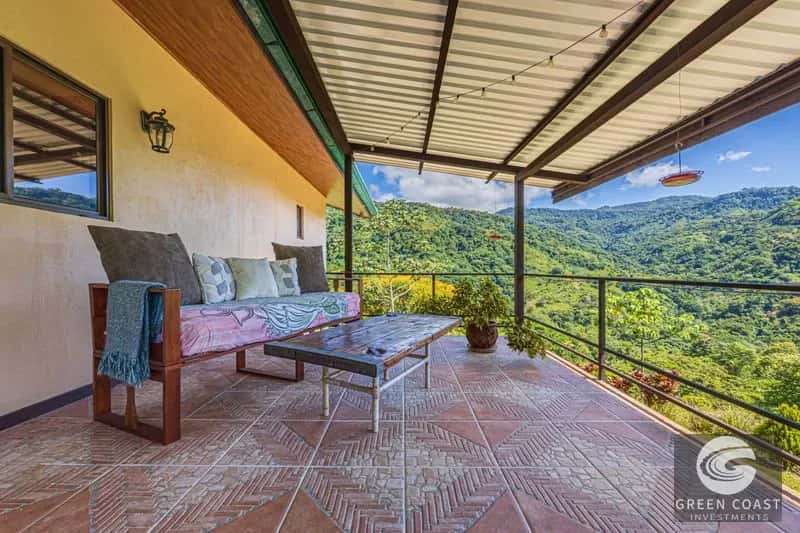
Mountain Farm & Homestead in San Josecito, Costa Rica: A CEQA Real Estate Investment
For those prioritizing sustainable living, agricultural pursuits, and a tangible connection to nature, the Mountain Farm & Homestead Opportunity in San Josecito, Costa Rica, priced at USD 575,000, presents a compelling "conscious environmental quality acquisition" (CEQA) real estate investment. This farm, situated in the Dominical/Uvita region, is more than just land; it's an opportunity to cultivate a self-sufficient lifestyle while investing in a property type that offers unique value in a growing market. Active listings in the region range from USD 90,000 to USD 13,000,000, with an average price of USD 858,910 across 175 properties. This San Josecito farm sits within a desirable investment bracket for those seeking substantial acreage and agricultural potential.
The Dominical/Uvita region is known for its biodiversity, Pacific coastlines, and an expatriate community focused on ecological principles. Unlike typical residential plots, a farm in San Josecito offers extensive land for cultivation, animal husbandry, and direct access to natural resources. This type of property appeals to buyers seeking a permanent relocation or a lifestyle change centered around environmental stewardship and food independence. The concept of "CEQA real estate" here extends beyond California's specific environmental regulations to encompass purchasing property with a deliberate focus on its ecological footprint, long-term sustainability, and potential for positive environmental impact.
Investing in a farm like this in San Josecito means acquiring a property that inherently supports sustainable practices. The land often comes with existing infrastructure for farming or can be adapted for organic agriculture, permaculture, or agroforestry. This aligns with the CEQA ethos, where the acquisition is viewed through the lens of environmental responsibility and the potential for the property to contribute to a healthier ecosystem. Such properties offer not only a personal retreat but also the foundation for a business venture rooted in sustainable agriculture, catering to a growing demand for locally sourced, organic produce. The intrinsic value of a productive farm in a biodiverse region like Dominical/Uvita is a significant draw for buyers.
Benefits of Homesteading in Costa Rica's Dominical/Uvita Region
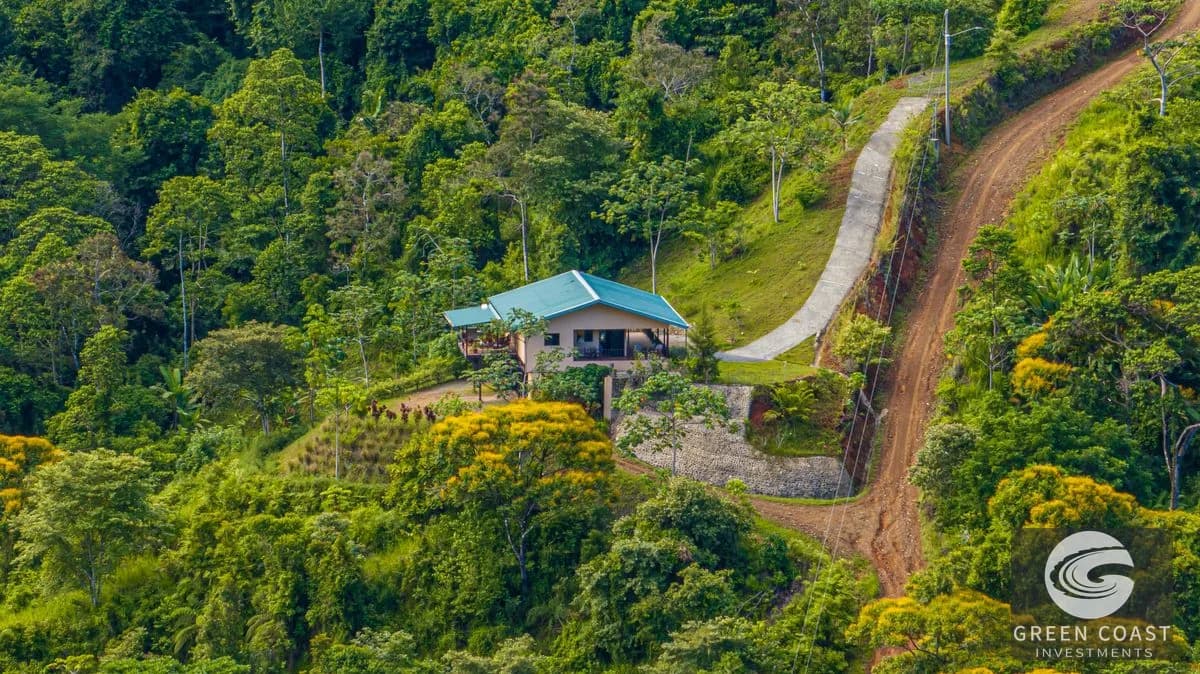
Homesteading in Costa Rica's Dominical/Uvita region offers a blend of natural advantages and a fulfilling self-sufficient lifestyle, attracting those seeking a deeper connection to the land and a supportive community. This area provides fertile soil, abundant natural water sources, and diverse microclimates, making it suitable for cultivating a wide range of crops and raising livestock. It contrasts with traditional luxury real estate by prioritizing sustainable living and personal resilience over conventional amenities.
Natural Abundance for Sustainable Living
The Dominical/Uvita region has natural advantages for successful homesteading. The rich volcanic soil is fertile, allowing for high yields of fruits, vegetables, and other agricultural products. Consistent rainfall, coupled with rivers and natural springs, ensures a reliable water supply for irrigation and domestic use. The varied topography creates diverse microclimates within a relatively small area, enabling the cultivation of a broad spectrum of plants, from tropical staples to temperate zone crops at higher elevations. This natural abundance reduces reliance on external inputs and fosters self-sufficiency.
Self-Sufficiency in a Biodiverse Environment
Homesteading in this biodiverse environment means embracing a lifestyle where you produce your own food, generate your own energy, and live in harmony with nature. The region's biodiversity, spanning rainforests to coastal ecosystems, provides a constant source of inspiration and resources. This lifestyle appeals to individuals and families looking to reduce their environmental footprint, improve their health through organic farming, and gain independence from commercial food systems. It focuses on cultivating a resilient existence connected to the source of sustenance.
Expat Community and Support Networks
The Dominical/Uvita area has seen an influx of expats drawn to its natural beauty and sustainable living opportunities. This community includes many individuals and families engaged in homesteading and sustainable practices, creating a support network. Newcomers can access shared knowledge, resources, and collaborative projects, making the transition to homesteading smoother. These networks often facilitate access to local markets for surplus produce, shared equipment, and social gatherings focused on sustainable living.
Investment in Lifestyle vs. Traditional Real Estate
While the Dominical/Uvita region also offers traditional luxury real estate with active listings ranging from USD 90,000 to USD 13,000,000, and an average price of USD 858,910, homesteading properties represent an investment in a unique lifestyle. The value here lies in the ability to live off the land, enjoy natural beauty, and participate in a supportive community. These properties offer tangible benefits like food security, reduced living expenses, and a sense of purpose that traditional real estate often cannot. A specific property, such as one in San Josecito, further enhances these advantages with its specific microclimate and development potential for a thriving farm.
San Josecito Microclimate for Diverse Farming and Self-Sufficiency
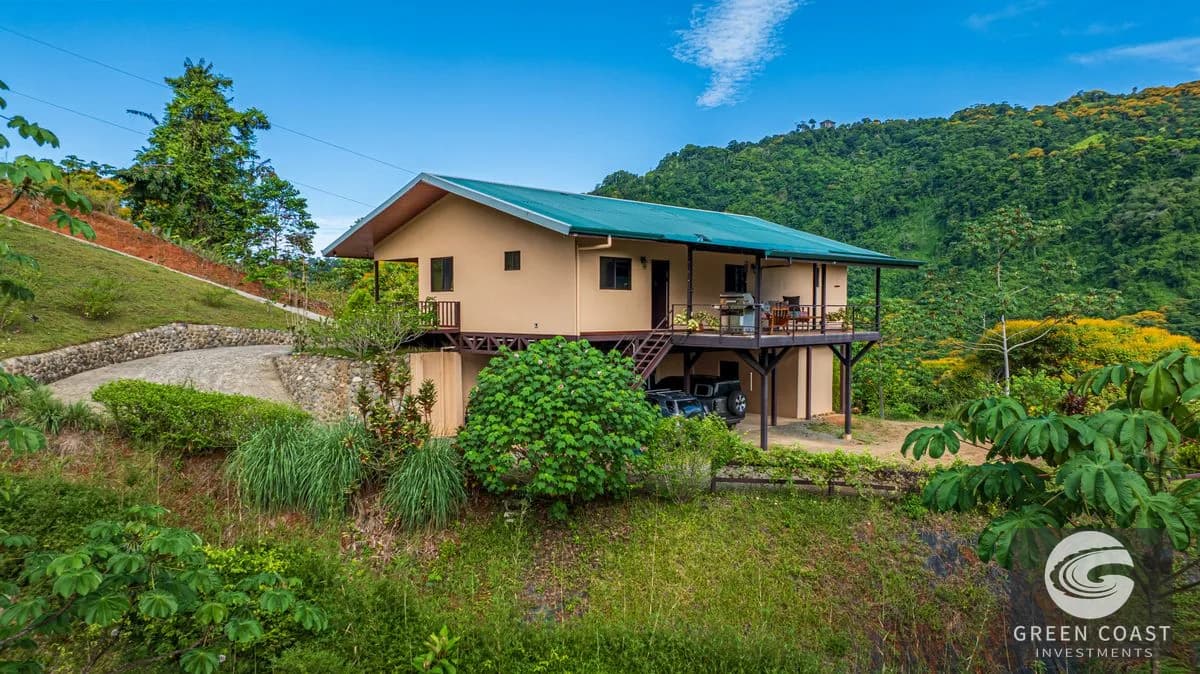
The San Josecito microclimate, characterized by its ideal elevation, consistent rainfall, and moderate temperatures, creates a fertile environment for diverse farming and self-sufficiency. This blend of conditions allows for the cultivation of a wide array of crops, supporting a sustainable homestead lifestyle.
Climatic Conditions for Cultivation
San Josecito benefits from an elevation typically ranging from 1,000 to 2,500 feet above sea level, which provides cooler temperatures than the coastal lowlands, mitigating extreme heat while still offering warmth for tropical growth. Rainfall patterns are consistent, with a rainy season from May to November and a drier period from December to April, ensuring year-round water availability for agriculture. Average daytime temperatures generally hover between 70-85°F (21-29°C), with nighttime lows rarely dropping below 60°F (15°C), creating an optimal growing season throughout the year.
Suitable Crops for Abundant Harvests
This climate supports a diversity of crops. High-value crops like coffee thrive. Tropical fruits such as mangoes, papayas, pineapples, bananas, and citrus varieties flourish. The region is also suitable for growing a range of vegetables, including leafy greens, root vegetables, and legumes. Furthermore, the microclimate is conducive to cultivating medicinal plants, herbs, and cacao, offering additional avenues for self-sufficiency and potential income.
Reliable Water Sources
Water is a critical component of any successful farm, and San Josecito is well-endowed. The landscape is often crisscrossed by natural springs and small rivers, providing consistent, clean water sources. Many properties in the area have direct access to these natural flows, which can be harnessed for irrigation and domestic use. Additionally, the geological characteristics of the region often present potential for drilling wells, offering a reliable backup or primary water supply, ensuring agricultural resilience even during drier months.
Fertile Soil for Organic Farming
The soil quality in San Josecito is generally rich and volcanic, characterized by good drainage and high organic matter content. This inherent fertility makes it suitable for organic farming practices, minimizing the need for synthetic fertilizers and pesticides. The robust soil structure supports healthy root development and nutrient absorption, leading to productive yields. For a Mountain Farm & Homestead property in San Josecito, these conditions translate directly into the potential for establishing thriving permaculture systems, extensive orchards, and productive vegetable gardens, laying a strong foundation for a self-sufficient lifestyle.
Practicalities of Off-Grid Living and Utilities for a Costa Rica Farm
Establishing a farm or homestead in San Josecito, Costa Rica, often involves embracing off-grid solutions for utilities, offering independence and a reduced environmental footprint. While the region is developing, many properties, especially those offering a true CEQA real estate experience, will require self-sufficient systems for power, water, and waste management. Understanding these practicalities is crucial for budgeting and planning.
Powering Your Costa Rica Homestead
Solar power is the most common and reliable off-grid electricity solution in the Dominical/Uvita region. Abundant sunshine ensures consistent energy production. Installation costs vary depending on energy needs, but a robust system for a typical homestead might range from USD 15,000 to USD 50,000+. These systems typically include solar panels, inverters, charge controllers, and battery banks. While initial investment is significant, long-term operational costs are minimal, and reliability is excellent, especially with modern battery storage. Grid connection is becoming more available in certain areas, but for mountain farms, solar remains the primary option.
Water Systems for Sustainable Living
Access to clean water is paramount. Many San Josecito properties benefit from natural springs, which can be tapped and gravity-fed to your home. This is often the most cost-effective and sustainable option. Alternatively, rainwater harvesting systems, utilizing large storage tanks, are effective during the rainy season. For properties without spring access or sufficient rainfall, well drilling is an option, though it can be expensive (USD 10,000–30,000+) and requires permits. Regardless of the source, robust filtration systems are essential to ensure potable water.
Waste Management Solutions
For wastewater, septic systems are standard for most rural properties in Costa Rica. These are relatively straightforward to install and maintain. Composting toilets offer an eco-friendly alternative, reducing water consumption and producing valuable compost. Solid waste is typically managed through local collection services in nearby towns or by responsible composting and recycling on the property.
Connectivity in Remote Locations
Despite the rural setting, internet and communication options are available. Satellite internet (e.g., Starlink) provides high-speed connectivity for remote work and entertainment, though it comes with a monthly subscription. Cellular data is also available in many areas, offering a backup or primary option for browsing and calls. Landline phones are rare in these off-grid settings.
Road Access and Transportation
Mountain farms in San Josecito often have gravel or dirt road access, which can be challenging, especially during the rainy season. A 4x4 vehicle is highly recommended, if not essential, for navigating these roads and transporting supplies. Consider proximity to main paved roads (like the Costanera Sur) for easier access to Dominical, Uvita, and larger towns. The property's specific location within San Josecito will dictate the ease of access.
Established Expat Communities for Homesteaders Near Dominical and Uvita
Yes, the Dominical and Uvita areas of Costa Rica have established and active expat communities, many of whom are drawn to the region for its natural beauty, sustainable living opportunities, and a desire for a more self-sufficient lifestyle. This network provides support for those interested in homesteading, offering a social circle and practical assistance.
The expat community here is diverse, but a significant portion shares an interest in sustainable living, organic farming, and community-driven initiatives. You'll find numerous informal and organized groups dedicated to these pursuits. Online forums and local social media groups are starting points, often featuring discussions on permaculture techniques suitable for the microclimate, sourcing local building materials, or organizing community potlucks. In-person gatherings are frequent, ranging from farmers' markets where expats sell their produce and crafts to workshops on topics like natural building, beekeeping, or fermenting. These interactions foster camaraderie and provide platforms for knowledge sharing among experienced homesteaders and newcomers alike.
Beyond formal groups, the informal network is robust. Expats frequently connect over shared interests, leading to opportunities for bartering goods and services – perhaps trading surplus garden produce for homemade bread, or offering assistance with a building project in exchange for help with animal husbandry. This collaborative spirit is a characteristic of the expat community in this region, making the transition to homesteading smoother. New arrivals are generally welcomed, as the community thrives on shared values and mutual support. Whether seeking advice on planting specific crops, understanding local regulations, or looking for like-minded individuals, the expat network near Dominical and Uvita offers connections.
The active real estate market in this region reflects its desirability, with 175 active listings currently available, ranging in price from USD 90,000 to USD 13,000,000, and an average price of USD 858,910. This indicates a consistent interest in properties suitable for a homesteading lifestyle.
Investment Potential of Agricultural/Homesteading Properties in Dominical/Uvita
Agricultural and homesteading properties in the Dominical/Uvita region offer a distinct investment trajectory compared to traditional luxury homes, often providing a blend of tangible value, income potential, and long-term security. While luxury homes primarily appreciate based on location, views, and amenities, farm properties gain value from their productive capacity, sustainable infrastructure, and the growing global demand for organic and locally sourced goods. This type of real estate can appreciate not only from general market trends but also from improvements to soil health, established permaculture systems, and developed income streams.
The appreciation potential for land with agricultural value and sustainable infrastructure is significant. As global food systems face increasing challenges, properties that offer self-sufficiency and the ability to produce food become inherently more valuable. Furthermore, the Dominical/Uvita area is a prime location for various income-generating possibilities. These include eco-tourism through on-site accommodations or educational workshops, direct sales of organic produce to local markets and restaurants, and agritourism experiences that draw visitors interested in sustainable living.
To put this into perspective, the current market data for the region shows 175 active listings with a price range of USD 90,000–13,000,000, and an average price of USD 858,910. A property like the San Josecito farm, priced at USD 575,000, sits below the average for the broader market. Considering its established infrastructure, productive capacity, and potential for immediate income generation, this San Josecito property could represent an opportunity for its type. Its price point, combined with its inherent agricultural and homesteading attributes, positions it as an acquisition for buyers seeking both lifestyle and financial returns.
Beyond monetary returns, the long-term value of self-sufficiency and food security is significant. Owning a productive farm in Costa Rica provides a hedge against economic instability and supply chain disruptions, offering a tangible asset that contributes directly to personal well-being and resilience. This aspect increasingly appeals to buyers looking for more than just a vacation home but a sustainable way of life.
Legal Steps for US/Canadian Buyers to Purchase a Farm in Costa Rica
Purchasing a farm in Costa Rica as a US or Canadian buyer is a straightforward process, as Costa Rican law places no restrictions on foreign ownership of real estate. The key steps involve securing expert legal counsel, conducting thorough due diligence, understanding property titles and land use, and preparing for tax obligations. Green Coast Investments specializes in guiding international buyers through every stage of this process, ensuring a secure and efficient transaction.
Foreign Ownership and Legal Counsel
Costa Rica’s stance on foreign property ownership means US and Canadian citizens can own land outright, with the same rights and responsibilities as Costa Rican nationals. However, the intricacies of local property law necessitate engaging a reputable Costa Rican attorney specializing in real estate. This legal professional will conduct comprehensive due diligence, verifying property titles, checking for liens or encumbrances, and ensuring all permits and zoning regulations are in order. They will also assist in structuring the purchase, often recommending the establishment of a Costa Rican corporation to hold the property, which can offer tax and estate planning advantages.
Permitting, Titles, and Land Use Regulations
For agricultural properties and homesteads, understanding permitting requirements for development and construction is crucial. Your attorney will help confirm that the intended use of the land aligns with local zoning and environmental regulations. This includes verifying the property's "uso de suelo" (land use certificate) and any necessary environmental impact assessments, especially for larger-scale agricultural projects or construction within protected areas. A meticulous review of the property title (recorded in the National Registry) and an updated survey map ("plano catastrado") are standard procedures to confirm boundaries and legal ownership. Given the active listings of 175 properties in the region, with prices ranging from USD 90,000 to USD 13,000,000 and an average of USD 858,910, thorough verification is essential for any investment.
Tax Implications for Agricultural Land
Foreign owners of agricultural land in Costa Rica are subject to various taxes, including annual property taxes (typically a small percentage of the registered property value), transfer taxes upon purchase, and potential capital gains taxes if the property is sold for a profit. Your legal and financial advisors will outline these obligations and help you structure your ownership to optimize tax efficiency. Understanding these financial commitments upfront is vital for long-term planning. Green Coast Investments provides support throughout these legal and financial considerations, connecting buyers with trusted legal professionals and ensuring a transparent and compliant purchase of your Costa Rican farm.
Frequently Asked Questions About Homesteading & CEQA Real Estate in Costa Rica
While purchasing a farm in Costa Rica does not automatically grant residency, it can be a significant factor in supporting certain residency applications, particularly those demonstrating a substantial investment in the country. Green Coast Investments can connect you with trusted legal professionals specializing in Costa Rican immigration to explore your specific options.
Common Challenges of Tropical Homesteading
Homesteading in a tropical climate presents challenges. These often include managing high humidity, abundant insect populations, and the rapid growth of vegetation that requires consistent maintenance. Understanding local soil conditions and adapting farming techniques to the climate are also crucial for success.
Finding Reliable Farm Labor
Finding reliable labor for a farm in Costa Rica typically involves networking within local communities, utilizing word-of-mouth referrals, and sometimes engaging with local agricultural cooperatives. Building strong relationships with your neighbors and understanding local employment practices are key to securing consistent and trustworthy help.
Safety in San Josecito for Expats
The San Josecito area, like many rural communities in Costa Rica, is generally considered safe for expats. Crime rates are typically lower than in urban centers. However, as with any location, it's advisable to take standard precautions, secure your property, and integrate respectfully into the local community.
Internet Connectivity on a Mountain Farm
Internet connectivity on a mountain farm in Costa Rica can vary significantly. While fiber optic internet is expanding its reach, many rural areas still rely on satellite internet, cellular data hotspots, or DSL. Speeds and reliability will depend on the specific property's location and available infrastructure. It's essential to verify connectivity options for any property you consider.
How Green Coast Investments Supports Farm Property Buyers
Green Coast Investments provides comprehensive support for buyers of farm properties in Costa Rica. This includes identifying suitable "CEQA real estate" listings (currently 175 active listings, ranging from USD 90,000 to USD 13,000,000, with an average price of USD 858,910), facilitating property viewings, connecting buyers with reputable legal counsel and local experts (such as agronomists and contractors), and assisting with the negotiation and closing processes. Our aim is to streamline your purchase of a Costa Rican farm or homestead.