
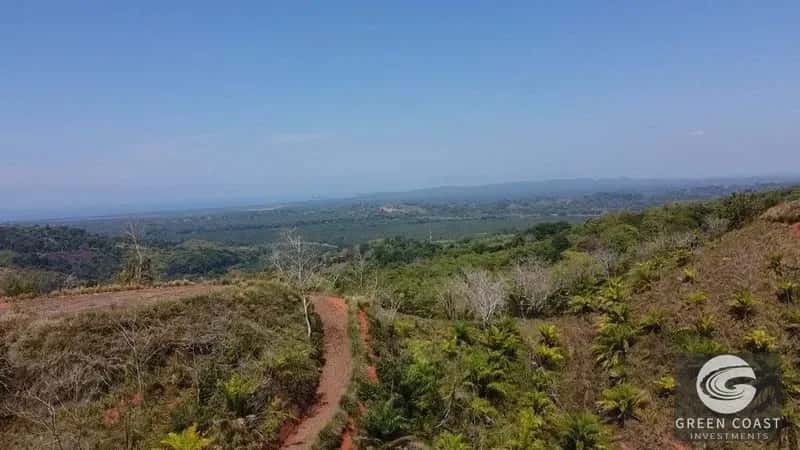
Why Manuel Antonio Real Estate is a Prime Investment for US and Canadian Buyers
Manuel Antonio real estate offers a compelling investment proposition for US and Canadian buyers. Its natural beauty, robust tourism, and established expat community draw a steady stream of international visitors and residents. People here seek a high quality of life and significant investment returns. For those interested in large land parcels with development potential, Manuel Antonio presents a stable and growing market.
The allure of Manuel Antonio extends beyond its scenic vistas. The area has cultivated a welcoming environment for expatriates, providing access to modern amenities, international schools, and a diverse social scene. This strong infrastructure and community support make it an attractive relocation or second-home destination. For investors, consistent demand for accommodations and services driven by tourism ensures a healthy market for developed properties. In our years on this coast, we've seen particularly strong transactional intent for large land parcels in this area, as opportunities for significant development are increasingly sought after.
One opportunity we're tracking is 'Ocean View Paradise Farm,' a 210-acre property near Quepos and Uvita. This expansive parcel offers a rare combination of scale and prime location, ideal for visionary developers looking to capitalize on the region's growth. Unlike smaller, more constrained lots, 'Ocean View Paradise Farm' provides the space and flexibility for large-scale projects, from eco-resorts to luxury residential communities.
The region's growth and stability for real estate investment are underpinned by consistent appreciation and a strong rental market. As of recent data, Manuel Antonio has 23 active listings, with prices ranging from USD 69,900 to USD 5,000,000, and an average price of USD 792,909. This market activity reflects sustained interest and confidence from international buyers. The strategic location between the popular towns of Quepos and Uvita further enhances the investment appeal, benefiting from both established tourism infrastructure and emerging eco-tourism trends. Investing in Manuel Antonio real estate, particularly large development-ready parcels, positions buyers to benefit from Costa Rica's enduring appeal and economic stability.
Ocean View Paradise Farm: 210 Acres of Development Potential Near Quepos & Uvita
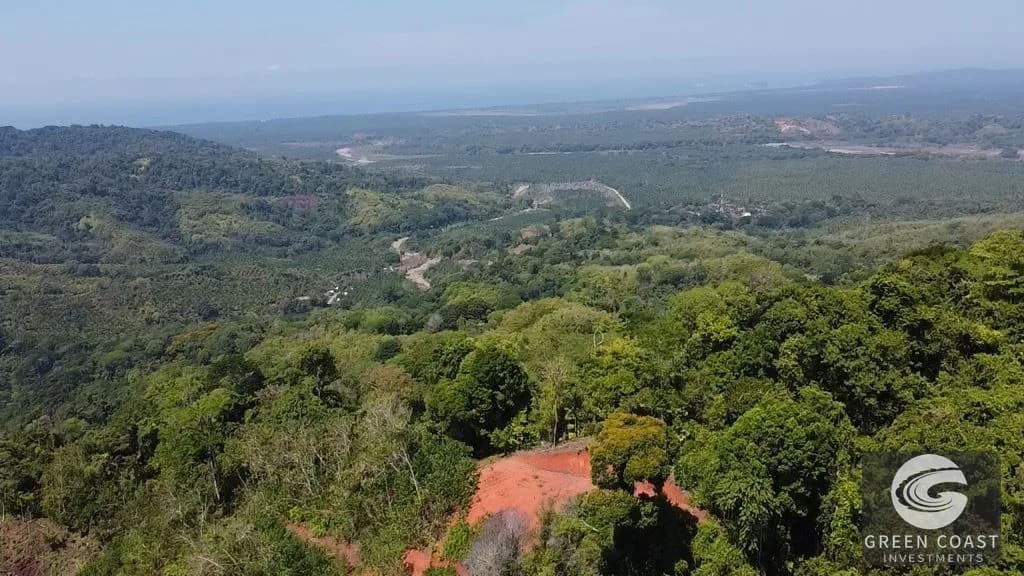
Ocean View Paradise Farm presents a rare opportunity for investors seeking a substantial, development-ready parcel in a highly sought-after region of Costa Rica. This expansive 210-acre property, strategically situated between the popular hubs of Quepos and Uvita, offers panoramic ocean views and significant potential for a range of development projects. Currently listed at USD 1,895,000, this farm property stands out in the Manuel Antonio Quepos market, where active listings currently range from USD 69,900 to USD 5,000,000, with an average price of USD 792,909 across 23 properties.
Strategic Location and Natural Features
The property's location is a key asset, providing convenient access to the amenities and attractions of both Quepos and Uvita. Quepos serves as the gateway to Manuel Antonio National Park, renowned for its pristine beaches and abundant wildlife, while Uvita is famous for its "Whale's Tail" natural formation and eco-tourism. This positioning ensures a steady stream of visitors and residents, making it ideal for various commercial or residential ventures. Ocean View Paradise Farm itself is rich in natural beauty, featuring established wildlife corridors, diverse biodiversity, and multiple natural water sources, including streams and potential spring-fed areas. These natural attributes not only enhance the property's aesthetic appeal but also support sustainable development practices and offer opportunities for eco-tourism initiatives. The property's topography, ranging from gentle slopes to elevated plateaus, provides diverse building sites, many with unobstructed ocean views, and allows for creative architectural integration with the landscape. The presence of mature trees and existing vegetation contributes to a cooler microclimate and provides immediate natural landscaping.
Development Ready Implications
The "development ready" status of Ocean View Paradise Farm significantly de-risks the investment process for buyers. This implies that preliminary assessments regarding topography, access, and potentially some infrastructure considerations have been addressed, streamlining the path from acquisition to project implementation. Investors can envision a variety of uses, from a private estate or a luxury residential community to an eco-lodge or a sustainable agricultural project, all while leveraging the existing natural infrastructure. The substantial acreage provides ample space for creative design and phased development, maximizing return on investment in the thriving Manuel Antonio real estate market. The property's unique value proposition at USD 1,895,000 reflects its size, ocean views, and readiness for development, distinguishing it from smaller or less prepared parcels in the region. This readiness can include existing road access, preliminary soil studies, or even conceptual master plans that have been explored, reducing the initial planning burden for a new owner. The large size also allows for the creation of internal road networks and utility infrastructure without compromising the natural environment or privacy of individual development zones.
What are the Zoning Regulations for Developing 210 Acres in Manuel Antonio, Quepos?
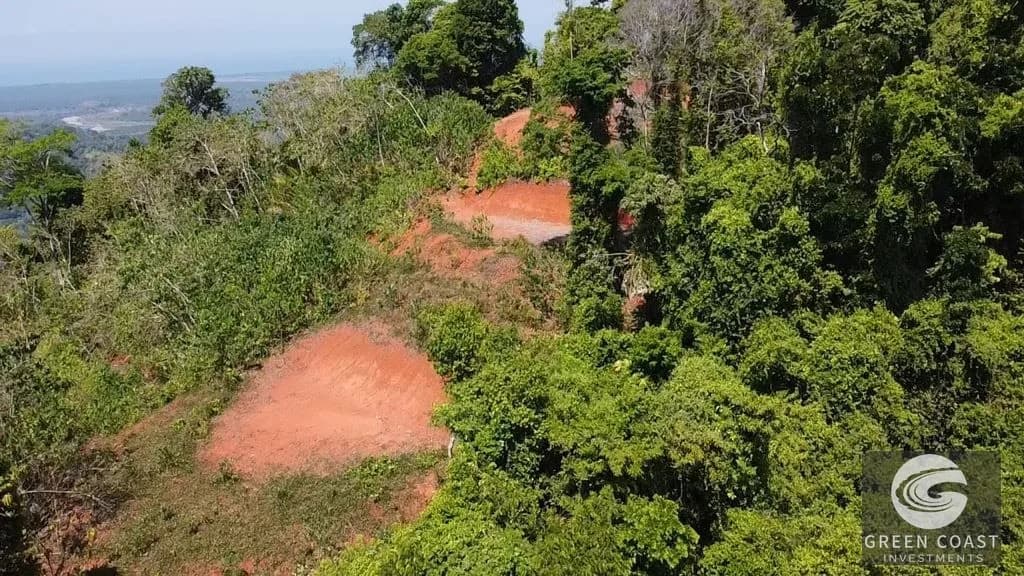
Developing a 210-acre property like Ocean View Paradise Farm near Manuel Antonio and Quepos involves specific Costa Rican zoning regulations. These are primarily managed by the local municipality and MINAE (Ministry of Environment and Energy). Large coastal parcels typically fall under categories that allow for a mix of conservation, low-density residential, and eco-tourism development, requiring a comprehensive environmental impact assessment (EIA) and adherence to the Regulating Plan (Plan Regulador) of the Quepos Canton.
General Zoning Categories for Large Coastal Parcels
For large land parcels in coastal Costa Rica, zoning often includes areas designated for conservation (protected zones, forest reserves), low-density residential (allowing for single-family homes or small clusters), and tourist development (permitting hotels, lodges, or eco-resorts). The specific allocation for Ocean View Paradise Farm will depend on its exact location within the Quepos Canton and the existing Regulating Plan. Properties of this size frequently have diverse topographies, allowing for a strategic blend of these categories. Active listings for land in the region currently range from USD 69,900 to USD 5,000,000, with an average of USD 792,909 across 23 listings, indicating the varied nature and development potential of available land. Understanding the specific land use designations within the Regulating Plan is crucial. These plans delineate areas for different types of development, specifying density limits, building heights, setbacks from property lines and natural features, and infrastructure requirements. For a 210-acre property, it is common to find a mosaic of these zones, allowing for a multifaceted development approach that balances economic viability with environmental protection.
Environmental Impact Assessments (EIA) and Permitting
Any large-scale project, especially one encompassing 210 acres, mandates a thorough Environmental Impact Assessment (EIA) approved by SETENA (Secretaría Técnica Nacional Ambiental), an arm of MINAE. This assessment evaluates potential environmental effects and proposes mitigation strategies. The permitting process for eco-tourism or luxury residential development will then proceed through the local municipality of Quepos, requiring architectural plans, engineering studies, and proof of compliance with all environmental regulations. Green Coast Investments can guide you through this complex process. The EIA process is rigorous and involves several stages, including a preliminary environmental assessment, a detailed environmental impact study, and public consultation. It requires specialized consultants to analyze the property's ecosystems, hydrology, geology, and socio-economic context. SETENA's approval is a prerequisite for obtaining construction permits from the municipality, ensuring that development proceeds in an environmentally responsible manner.
Working with Local Authorities and Mixed-Use Potential
Successful development hinges on effective collaboration with the local municipality of Quepos and MINAE. Early engagement ensures alignment with local development goals and environmental protection mandates. Given the significant size of Ocean View Paradise Farm, there is substantial potential for mixed-use development. This could include integrating sustainable luxury residences with an eco-tourism lodge, agricultural zones, and extensive private nature reserves, maximizing both environmental stewardship and investment returns while adhering to the specific land use ordinances. Mixed-use development on a property of this scale allows for the creation of a self-sustaining community or resort that offers diverse experiences. For example, residential areas can be strategically placed to maximize views and privacy, while eco-tourism facilities can be integrated with nature trails and conservation areas. Agricultural zones can support farm-to-table initiatives, enhancing the guest experience and providing local employment. This integrated approach often receives favorable consideration from local authorities as it aligns with Costa Rica's sustainable development goals.
What Eco-Tourism Development Opportunities Exist for a 210-Acre Property Near Quepos and Uvita?
A 210-acre property near Quepos and Uvita, like Ocean View Paradise Farm, presents substantial potential for diverse eco-tourism development, capitalizing on Costa Rica's global reputation for sustainability and biodiversity. Ideas range from exclusive eco-lodges and luxury glamping resorts to thoughtfully designed sustainable communities, all integrated with the natural environment. The expansive acreage allows for comprehensive planning that includes extensive nature trails, dedicated wildlife observation areas, and active conservation initiatives, enhancing the guest experience while protecting the land's ecological value. Furthermore, the property's size and location are ideal for agricultural tourism or permaculture projects, offering guests immersive experiences in sustainable farming practices, from farm-to-table dining to educational workshops.
Eco-Friendly Luxury Market Demand
The market demand for eco-friendly luxury experiences in Costa Rica continues to grow, attracting discerning travelers seeking authentic, low-impact interactions with nature without sacrificing comfort. The average price for active listings in the region is USD 792,909, with a range from USD 69,900 to USD 5,000,000, indicating a robust market for properties that offer unique value propositions. Investors can tap into this demand by creating developments that emphasize environmental stewardship and provide high-end amenities. This segment of the market is willing to pay a premium for experiences that align with their values, offering strong revenue potential for well-executed eco-tourism projects. The focus on sustainability can also attract a broader demographic, including families and educational groups, seeking immersive and responsible travel options.
Successful Regional Eco-Tourism Ventures
Successful eco-tourism ventures in the region serve as compelling case studies. For instance, properties near Manuel Antonio National Park have thrived by offering guided jungle tours, canopy adventures, and wildlife viewing, often paired with upscale accommodations. Similarly, developments in the Uvita area have found success through whale watching tours, surfing lessons, and permaculture retreats, demonstrating the viability of integrating natural attractions with educational and recreational activities. A 210-acre parcel provides the scale to combine multiple such offerings, creating a comprehensive destination. Imagine a luxury glamping resort with private plunge pools, each tent strategically placed for ocean views and wildlife sightings, complemented by an on-site organic farm supplying fresh produce to a gourmet restaurant. Or, consider a sustainable community featuring custom-built homes designed with passive cooling and rainwater harvesting, surrounded by communal gardens and direct access to a network of private hiking trails leading to waterfalls or panoramic viewpoints. These types of developments resonate strongly with the target demographic seeking responsible luxury travel. The large size also permits the establishment of a private nature reserve, offering exclusive access to wildlife viewing and conservation education, further differentiating the property in the competitive eco-tourism market.
How Does 'Ocean View Paradise Farm' Compare to Other Development-Ready Land in Manuel Antonio?
'Ocean View Paradise Farm' stands out significantly from other development-ready land in the Manuel Antonio area due to its exceptional scale and the unparalleled privacy offered by 210 acres. While existing luxury homes provide immediate gratification, investing in a large, undeveloped parcel like this offers superior long-term appreciation potential and the flexibility to create a bespoke development that aligns with specific market demands or personal visions. The current market for large parcels in Manuel Antonio and Quepos shows consistent demand, with a limited supply of properties offering the acreage and ocean views of 'Ocean View Paradise Farm.'
Investment Returns: Undeveloped Land vs. Existing Homes
When evaluating investment returns, development-ready land often presents a more compelling long-term proposition than existing luxury homes. While luxury homes offer rental income and immediate use, their appreciation is often tied to market fluctuations for developed properties. Undeveloped land, particularly a large, strategically located parcel like 'Ocean View Paradise Farm,' provides the opportunity to add significant value through thoughtful development, potentially yielding higher returns upon completion or sale of developed units. The ability to dictate the scope, quality, and design of a new project allows for greater control over the final market value, often surpassing the appreciation of pre-existing structures. Furthermore, the development of raw land allows for the incorporation of modern sustainable technologies and designs, which are increasingly valued by buyers and can command higher prices. This contrasts with existing homes, which may require significant renovations to meet current environmental or aesthetic standards.
Current Market Trends and Pricing for Large Parcels
The Manuel Antonio and Quepos real estate market currently features a diverse range of properties. For active listings, there are 23 properties with a price range of USD 69,900–5,000,000, and an average price of USD 792,909. However, these figures encompass a wide variety of parcel sizes and development statuses. Large, ocean-view parcels suitable for significant development are considerably rarer and typically command a premium. 'Ocean View Paradise Farm,' at 210 acres, is an outlier in terms of size, offering a scale that few other properties in the region can match. This vast acreage translates into unique advantages for privacy, the creation of extensive amenities, and the potential for phased development. The scarcity of such large, contiguous parcels with ocean views in a prime tourist destination like Manuel Antonio means they often appreciate at a faster rate than smaller, more common properties. The market trend indicates a growing demand for expansive properties that offer both privacy and development potential, making 'Ocean View Paradise Farm' a particularly attractive investment.
The Unique Advantages of 210 Acres
The sheer size of 'Ocean View Paradise Farm' — 210 acres — is its most distinguishing feature. This scale provides an unmatched level of privacy, allowing for the creation of an exclusive retreat or a sprawling eco-tourism development without the constraints of smaller lots. It offers ample space for multiple building sites, extensive infrastructure, and preservation of natural habitats, enhancing the property’s appeal and long-term value. This expansive canvas enables a developer to implement comprehensive master plans, incorporating diverse amenities such as private trails, agricultural zones, and multiple residential or hospitality components, all while maintaining a sense of seclusion and connection to nature. Such a large, contiguous parcel with ocean views is an increasingly rare find in the highly sought-after Manuel Antonio real estate market. The ability to control the entire environment, from entrance to the furthest boundary, allows for the creation of a truly immersive and exclusive experience, a key differentiator in the luxury and eco-tourism markets.
Implementing Sustainable Building Practices and Permits for Large Coastal Properties
Developing a large coastal property like Ocean View Paradise Farm requires a strategic approach to sustainability, integrating green building certifications, efficient resource management, and careful navigation of environmental permits. Costa Rica actively promotes eco-conscious development through various incentives and certifications, making it an attractive location for sustainable projects. Respecting the local ecosystem, particularly wildlife corridors, is paramount to minimizing environmental impact and ensuring long-term ecological health.
Green Building Certifications and Incentives
Costa Rica offers several avenues for green building recognition, including the national "Bandera Azul Ecológica" (Ecological Blue Flag) program, which extends to sustainable construction projects. International certifications like LEED (Leadership in Energy and Environmental Design) are also highly regarded and can enhance a property's market value and appeal to eco-conscious buyers. Incentives may include expedited permit processes for projects demonstrating strong environmental commitments or tax benefits for renewable energy installations. These certifications not only demonstrate a commitment to environmental responsibility but also serve as a powerful marketing tool, attracting buyers and guests who prioritize sustainability.
Respecting Wildlife and Minimizing Environmental Footprint
Given the proximity to protected areas and rich biodiversity, any development on Ocean View Paradise Farm must prioritize the preservation of wildlife corridors. This involves strategic placement of structures to avoid disrupting natural pathways, maintaining natural vegetation buffers, and implementing low-impact construction techniques. Minimizing light and noise pollution, especially during critical wildlife periods, further reduces the environmental footprint. Detailed ecological studies should be conducted to identify sensitive areas, such as nesting sites or migratory routes, and development plans adjusted accordingly. The integration of native plant species in landscaping also supports local wildlife and reduces the need for irrigation and chemical treatments.
Water Management Strategies
Effective water management is crucial for large properties. Implementing rainwater harvesting systems for irrigation and non-potable uses significantly reduces reliance on municipal water sources. Advanced wastewater treatment plants, such as biodigesters or constructed wetlands, ensure that effluent meets or exceeds environmental standards before discharge, protecting local waterways and the marine environment. Greywater recycling systems can also be incorporated for landscape irrigation, further conserving water resources. These strategies not only reduce environmental impact but also contribute to operational cost savings and enhance the property's self-sufficiency.
Energy Efficiency and Renewable Energy Options
Designing for energy efficiency from the outset is key. This includes passive cooling strategies, high-efficiency appliances, and LED lighting. For a property of this scale, integrating renewable energy sources like solar photovoltaic (PV) systems is highly recommended. Solar panels can significantly offset energy costs and reduce carbon emissions, aligning with Costa Rica's commitment to renewable energy. Geothermal systems for cooling and heating, and even small-scale hydro-power if suitable water sources are present, can also be considered to achieve near net-zero energy consumption. The Costa Rican electrical grid is already largely renewable, but on-site generation provides greater energy independence and resilience.
Navigating Environmental Permits (SETENA)
Obtaining environmental permits for large coastal developments in Costa Rica falls under the jurisdiction of SETENA (Secretaría Técnica Nacional Ambiental). This process involves a comprehensive environmental impact assessment (EIA) that evaluates potential effects on the ecosystem, socio-economic factors, and cultural heritage. Early engagement with SETENA and local environmental consultants is vital to ensure compliance with all regulations, particularly those specific to coastal zones, which often have stricter development guidelines. The average price for active listings in the Manuel Antonio real estate market is USD 792,909, with a range from USD 69,900 to USD 5,000,000 across 23 listings, underscoring the value in well-planned, environmentally responsible developments. The SETENA process typically involves a multi-stage review, including site visits, expert reports, and public hearings, requiring meticulous documentation and adherence to established timelines.
Key Steps for US/Canadian Investors to Purchase Large Real Estate Parcels in Costa Rica
For US and Canadian investors looking to acquire significant land holdings like the 'Ocean View Paradise Farm,' the key steps involve comprehensive legal due diligence, strategic ownership structuring, understanding financing options, navigating tax implications, and partnering with experienced local professionals. With 23 active listings in the Manuel Antonio area ranging from USD 69,900 to USD 5,000,000 (average USD 792,909), a structured approach is essential for a secure and successful transaction.
Legal Due Diligence for Significant Land Holdings
Thorough legal due diligence is paramount for large parcels. This includes verifying property titles and boundaries with the National Registry (Registro Nacional), ensuring there are no encumbrances, liens, or legal disputes. A detailed review of zoning regulations, environmental permits, and any existing easements or rights-of-way is critical, especially for development-ready properties. This process also involves confirming the absence of squatters' rights claims, which can be a concern with undeveloped land. Due diligence should also include a review of utility access (water, electricity), road access, and any potential environmental liabilities associated with the land. A professional survey by a licensed topographer is highly recommended to confirm the exact boundaries and topography.
Structuring the Purchase: Corporation vs. Individual Ownership
Investors typically choose between purchasing property as an individual or through a Costa Rican corporation (Sociedad Anónima or Limitada). Corporate ownership offers liability protection, can simplify future transfers, and may provide tax advantages, particularly for properties intended for commercial development or rental income. Individual ownership is simpler for personal use but offers less protection. Your legal counsel will advise on the optimal structure based on your specific investment goals and tax situation. Corporate ownership can also facilitate the management of multiple assets and provide a clearer framework for potential partnerships or future sales. It is important to understand the ongoing legal and accounting requirements for maintaining a Costa Rican corporation.
Financing Options for Large-Scale Land Acquisitions
While local Costa Rican banks offer financing, it can be more challenging for non-residents and often requires a substantial down payment. Many US and Canadian investors opt for private financing, equity partnerships, or utilize funds from their home country. Some specialized lenders offer cross-border mortgages, but these are less common for raw land. Green Coast Investments can connect you with reputable financial advisors experienced in large Costa Rican real estate transactions. Due to the challenges of local bank financing for non-residents, many buyers secure financing in their home country, leveraging existing assets or lines of credit. Private lenders or investor groups specializing in international real estate are another avenue, often offering more flexible terms than traditional banks.
Tax Implications for US/Canadian Buyers and Property Ownership
US and Canadian citizens are subject to their home country's tax laws, including reporting foreign assets and income. In Costa Rica, property owners face annual property taxes (Impuesto de Bienes Inmuebles), which are relatively low. There are also transfer taxes upon purchase and potential capital gains taxes upon sale, though the latter is currently only applied to properties acquired after July 2019. Consulting with a tax attorney specializing in international real estate and a Costa Rican accountant is crucial to understand and plan for these obligations. Additionally, properties valued over a certain threshold are subject to a luxury home tax (Impuesto a las Viviendas de Lujo), which applies to the construction value, not the land value. Proper tax planning can significantly impact the overall profitability of a large land investment.
Importance of Experienced Legal Counsel and Real Estate Professionals
Engaging a reputable Costa Rican real estate attorney is non-negotiable for large land purchases. They will conduct due diligence, draft and review all legal documents, and ensure compliance with local laws. Partnering with an experienced real estate agency like Green Coast Investments provides invaluable market insight, access to off-market opportunities, and negotiation expertise. Their local knowledge is essential for understanding the nuances of the Costa Rican property market, from local customs to identifying reliable service providers. A local attorney will also assist with the closing process, which is typically handled by a notary public in Costa Rica, who acts as a public official to register the transfer of title.
Frequently Asked Questions About Large Land Investments in Manuel Antonio Real Estate
Can foreigners own 100% of land in Costa Rica?
Yes, foreigners can own 100% of land in Costa Rica, including large parcels suitable for development. There are no restrictions on foreign ownership of private property, making it a straightforward process for US and Canadian investors. Costa Rican law allows full foreign ownership of real estate. This applies to all types of properties, from individual homes to expansive development-ready land like the 210-acre Ocean View Paradise Farm. The only minor exception involves properties within 50 meters of the high tide line in the maritime zone, which are typically leased through concessions, but this rarely impacts large, developable parcels further inland. This clear legal framework provides security for international investors.
What are the typical closing costs for a large property in Costa Rica?
Closing costs for real estate in Costa Rica generally range from 2.5% to 3.5% of the purchase price, split between buyer and seller. These costs primarily include transfer taxes, notary fees, and registration fees. For a significant investment in manuel antonio real estate, it's prudent to budget within this percentage range. The transfer tax is approximately 1.5% of the registered property value, while notary fees are typically 1.25% to 1.5% of the purchase price, depending on the complexity of the transaction. Registration fees are minimal. It is customary for the buyer and seller to split these costs, though this can be negotiated.
How long does the permitting process take for a 210-acre development?
The permitting process for a large-scale development, especially one involving 210 acres near Quepos and Uvita, can be extensive. It typically involves multiple stages, including environmental impact assessments (SETENA), municipal permits, and potentially specific tourism or construction licenses. Depending on the complexity of the project and the efficiency of submissions, this process can range from 12 to 24 months, or even longer for very ambitious plans. Engaging experienced local legal and environmental consultants is crucial for navigating this efficiently. The timeline can be influenced by factors such as the completeness of submitted documentation, the responsiveness of government agencies, and any required public hearings or appeals. Phased development plans can sometimes help to streamline initial permitting for smaller sections of a large property.
Are there property taxes on undeveloped land in Costa Rica?
Yes, all real estate in Costa Rica, including undeveloped land, is subject to property taxes. The annual property tax rate is generally 0.25% of the registered property value. For large parcels, while the percentage is low, the total amount can be substantial, and it's an important ongoing cost to factor into your investment analysis. The registered property value is typically updated every five years by the municipality, or upon a sale, which can affect the tax amount. It is important to ensure that property values are accurately registered to avoid discrepancies.
What is the best way to manage a large property remotely?
Managing a large property remotely in Costa Rica requires a robust local support system. This typically involves hiring a reputable property management company or a dedicated local administrator. Key responsibilities include overseeing security, maintenance, legal compliance, and any initial development phases. Establishing clear communication channels and regular reporting protocols are essential for effective remote oversight. Given that active listings in the area average USD 792,909, professional management is a standard practice for significant investments. A comprehensive management plan should cover regular site inspections, security patrols, maintenance of infrastructure and natural areas, financial reporting, and coordination with local contractors and service providers. Utilizing technology for communication and oversight, such as video calls and online project management tools, can also enhance remote management effectiveness.