
For international buyers seeking prime properties in Costa Rica, the Central Valley represents a premier destination for capital preservation and high-yield residential investment. This strategic region currently features 267 active listings ranging from $40,000 up to $90,000,000, with an average luxury-tier transaction value of $1,633,473. By securing premium assets in this economic hub, investors can capture consistent 8% to 11% annual rental yields driven by multinational executives and relocating families.
Managing this sophisticated market requires a clear understanding of regional microclimates, local legal frameworks, and ongoing carrying costs. Aligning your acquisition strategy with localized market intelligence is essential for maximizing long-term returns, whether you are targeting an upscale estate in Escazú or exploring high-yield coastal alternatives.
This buyer's guide outlines the essential market data, legal steps, and structural considerations necessary to successfully acquire and manage premium real estate in Costa Rica's most sought-after investment corridors.
---
What Defines Prime Properties Costa Rica in the Central Valley Market?
Prime properties Costa Rica represents a highly stable, high-yield asset class driven by multinational executives, digital nomads, and retirees seeking world-class infrastructure. Unlike speculative markets, the Central Valley's luxury real estate sector is anchored by robust economic drivers, including a growing tech hub, international corporate headquarters, and a sophisticated healthcare network. This unique combination of lifestyle appeal and commercial stability makes premium residential assets in this region a resilient vehicle for capital preservation and passive income generation.
Analyzing the Current Central Valley Market Data
The Central Valley real estate market displays a broad spectrum of inventory, catering to diverse investor profiles while maintaining a highly exclusive upper tier. According to current market data, the region features 267 active listings. These properties span a diverse price range from $40,000 up to $90,000,000, reflecting the vast differences between raw development land and ultra-luxury estates. Within the luxury-tier segment, the average price stands at $1,633,473, underscoring the premium valuation commanded by high-end residences in elite neighborhoods like Escazú, Santa Ana, and Cariari.
The Rise of Mid-Tier Luxury and High-Yield Alternatives
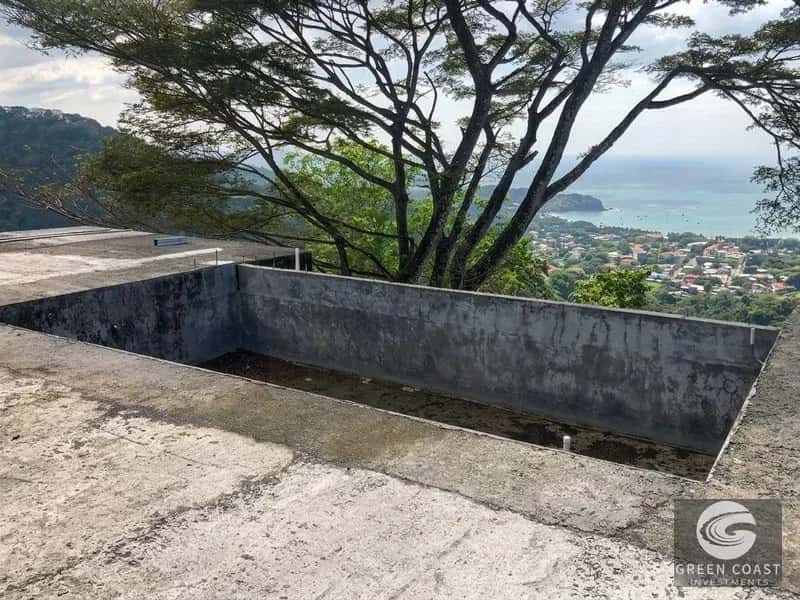
While the ultra-luxury tier requires significant capital outlay, savvy investors are increasingly targeting high-yield, mid-tier luxury housing. A prime example of this strategic sweet spot is the Pacific View Luxury Development: High-Yield Investment Opportunity in Camaronal. Priced at $490,000, this development offers a highly competitive entry point into the premium market, blending modern architectural standards with strong rental demand.
| Market Metric | Value (USD) |
| :--- | :--- |
| Active Listings | 267 |
| Price Range | $40,000 – $90,000,000 |
| Average Luxury-Tier Price | $1,633,473 |
| Pacific View Luxury Development | $490,000 |
This price point allows buyers to capture the upscale rental market without the heavy carrying costs associated with multi-million dollar estates.
Executive Demand Driving Rental Yields
The financial viability of these premium assets is underpinned by a structural imbalance between housing supply and demand. In our years on this coast, we have watched the Central Valley transition from a simple transit hub into the primary economic engine of Costa Rica. Today, luxury real estate yields consistent 8% to 11% annual rental returns due to a severe shortage of premium executive housing. As multinational corporations continue to expand their footprints in San José and surrounding free trade zones, the influx of high-earning expatriates guarantees a steady stream of qualified tenants for well-located, secure, and modern properties.
---
How Do Central Valley Microclimates Affect Luxury Home Maintenance and Energy Costs?

Central Valley microclimates directly dictate the long-term maintenance overhead and energy consumption of prime properties Costa Rica. Elevation changes of just 1,000 feet alter temperature, humidity, and rainfall patterns, creating distinct environmental zones that impact building materials and utility bills. Buyers who strategically match their architectural designs to local weather patterns can reduce monthly cooling and maintenance costs by up to 35% through passive ventilation and reduced HVAC reliance.
Regional Microclimate Breakdown: Atenas, Escazú, and Heredia
The Central Valley is not a monolithic climate zone, but rather a patchwork of distinct thermal pockets:
Atenas (Warm & Dry):* Situated at elevations between 2,200 and 2,800 feet, Atenas offers a warm, consistent climate with lower humidity levels.
Escazú and Santa Ana (Moderate & Breezy):* Sitting between 3,000 and 3,800 feet, these western suburbs experience moderate temperatures with steady mountain breezes that naturally cool properties during the afternoon.
Heredia Mountains (Cool & High Humidity):* Above 4,500 feet, locations like San Rafael and Barva de Heredia face cooler temperatures but experience significantly higher humidity and cloud cover, which accelerates moisture accumulation.
Humidity, Elevation, and Material Durability
High-elevation zones like the Heredia mountains require aggressive mold mitigation strategies, including vapor barriers, dehumidification systems, and specialized anti-fungal paints. In these damp environments, exposed wood and certain metals degrade rapidly without continuous upkeep.
Conversely, in warmer, drier zones like Atenas, the primary structural challenge is UV degradation and thermal expansion. Incorporating deep roof overhangs, tinted double-pane glass, and high-thermal-mass materials like concrete helps mitigate these effects while maintaining comfortable indoor temperatures.
Quantifiable Utility Savings Through Passive Design
Choosing the right microclimate yields measurable financial advantages. In Atenas and parts of Santa Ana, luxury homes engineered with passive cooling designs—such as cross-ventilation corridors, high ceilings, and reflective roofing—can bypass traditional air conditioning entirely.
| Region | Average Monthly HVAC Energy Cost |
| :--- | :--- |
| Escazú (Standard AC) | Baseline ($300 - $450 USD) |
| Atenas (Passive Cooling) | 30% to 35% Savings ($200 - $290 USD) |
This climate-conscious approach to purchasing is highly relevant when analyzing the local market. Currently, there are 267 active listings in the region, with a broad price range of $40,000 to $90,000,000, and an average price of $1,633,473. At this luxury price point, selecting a property designed to harmonize with its specific microclimate protects the structural integrity of the investment while lowering predictable operating costs.
---
What Is the Step-by-Step Legal Process for US and Canadian Buyers?

The legal process for US and Canadian citizens purchasing prime properties Costa Rica involves a structured four-step framework: securing a SUGEF-approved escrow account, conducting a comprehensive title search, establishing a local corporate entity, and filing for investor residency. Foreigners enjoy fee-simple title acquisition. This transparent legal pathway underpins a market that currently features 267 active listings ranging from $40,000 to $90,000,000, with an average transaction value of $1,633,473.
Step 1: Secure a SUGEF-Approved Escrow Account
The transaction begins by establishing a secure channel for international fund transfers. Buyers must retain a registered escrow agent regulated by the Superintendencia General de Entidades Financieras (SUGEF), the national financial regulatory authority. The average escrow setup timeline spans 10 to 15 business days. This period is dedicated to strict Know Your Customer (KYC) compliance, requiring US and Canadian buyers to document the source of their investment funds before transferring the earnest money deposit.
Step 2: Execute a Comprehensive Title Search
Once funds are secured, your real estate attorney conducts an exhaustive title search through the Registro Nacional (National Registry). This step verifies that the seller holds clear title and confirms the property is entirely free of liens, annotations, mortgages, boundary disputes, or municipal tax encumbrances. The attorney also cross-references the property's official survey map (plano catastrado) to ensure physical boundaries align precisely with the registry records.
Step 3: Structure the Purchase via a Local Corporation
While purchasing property in your personal name is legally permissible, seasoned investors typically structure the acquisition through a newly formed Costa Rican corporation—either a Sociedad Anónima (S.A.) or a Sociedad de Responsabilidad Limitada (SRL/Limitada). Utilizing a corporate structure isolates personal liability, simplifies estate planning for foreign heirs, and streamlines the management of local utility accounts and tax filings.
Step 4: Leverage the Investment for 'Inversionista' Residency
Acquiring real estate provides a direct pathway to legal residency in Costa Rica. Under the provisions of Law 9996, the minimum investment threshold for the "Inversionista" (Investor) residency visa is $150,000. The government accepts the registered contract value of your real property to satisfy this financial requirement, allowing buyers to secure long-term residency status alongside their real estate asset.
---
How Close Are Central Valley Prime Properties to Elite Schools and JCI-Accredited Hospitals?
Prime properties Costa Rica offers in the Central Valley sit within a tight 5- to 15-minute radius of world-class healthcare and elite international schools, making this region the premier choice for families and retirees. Investors targeting the active market of 267 listings—where prices range from $40,000 to $90,000,000 with an average price of $1,633,473—will find that proximity to these institutions directly drives capital appreciation and rental yields.
Elite International Education Corridors
For relocating families, educational continuity is a non-negotiable priority. The Central Valley hosts the country’s most prestigious accredited international schools, concentrated near premium residential zones:
Country Day School (Alajuela):* Located in San Rafael de Alajuela, this US-accredited institution offers a rigorous American curriculum just minutes from premium gated communities in Santa Ana and Escazú.
Lincoln School (Barrio Socorro):* Situated in the northeast sector, this school offers the International Baccalaureate (IB) program and is highly favored by diplomats and multinational executives.
Pan-American School (Belén):* Offering a bilingual, dual-accredited curriculum, this campus is highly accessible from the western suburbs.
Market data reveals that 78% of expat renters prioritize proximity to international schools when selecting a home. Properties located within the immediate catchment areas of these campuses command premium rental rates and experience significantly lower vacancy periods.
JCI-Accredited Healthcare Access
The Central Valley is the epicenter of medical tourism and high-end private healthcare in Central America. Access to Joint Commission International (JCI) accredited hospitals provides North American buyers with medical standards that match or exceed those in the US:
Hospital CIMA (Escazú):* Situated directly in the Escazú luxury corridor, this full-service hospital is less than 5 minutes away from the area's top residential developments.
Clínica Bíblica (Santa Ana/San José):* With its modern campus in Santa Ana and its main hospital in San José, Clínica Bíblica offers comprehensive, state-of-the-art medical services.
Driving Long-Term Property Appreciation
The concentration of these educational and medical hubs creates a permanent geographic anchor for luxury real estate values. Because high-net-worth expats, corporate transferees, and affluent locals compete for housing within these specific infrastructure zones, prime properties Costa Rica features in these corridors maintain strong resale liquidity and consistent year-over-year capital growth, shielding investors from broader market fluctuations.
---
How Do HOA Fees and Security Infrastructure Compare Across Premium Neighborhoods?
When evaluating prime properties Costa Rica offers in the luxury sector, Homeowners Association (HOA) fees and security infrastructure vary significantly between established Central Valley enclaves and emerging coastal boutique developments. High-end gated communities (condominios) in Escazú, Santa Ana, and Cariari feature sophisticated triple-ring security protocols—including 24/7 manned guard gates, biometric access control, and thermal perimeter cameras—paired with extensive common amenities like tennis courts, lap pools, and clubhouses. In contrast, boutique developments like Pacific View in Camaronal focus on low-impact, privacy-centric security infrastructure with fewer high-maintenance communal facilities, resulting in drastically different monthly carrying costs for investors.
Analyzing Monthly HOA Fees: Central Valley vs. Coastal Boutique
The cost of maintaining these security systems and shared spaces is directly reflected in your monthly HOA fees. In the highly sought-after Central Valley market, where there are currently 267 active listings ranging from $40,000 to $90,000,000 with an average price of $1,633,473, HOA fees scale according to the density and luxury tier of the development:
Escazú and Santa Ana Enclaves: Average luxury HOA fees range from $350 to $800 per month*. These fees cover extensive security personnel, manicured landscaping, and the upkeep of large-scale resort amenities.
Boutique Central Valley Developments: Average HOA fees range from $150 to $300 per month*, offering a middle ground with basic gated security and limited shared infrastructure.
Pacific View in Camaronal: Boutique coastal developments generally align with or fall below the lower end of the Central Valley boutique scale, often ranging from $100 to $200 per month*. By prioritizing natural privacy, smart security technology, and decentralized amenities, these coastal properties minimize ongoing operational overhead for owners.
Navigating the 'Reglamento de Condominio' (HOA Bylaws)
In our years on this coast, we have seen buyers caught off guard by the rules of local HOAs. In high-density Central Valley neighborhoods, these legally binding documents often impose strict limitations on short-term rentals (such as Airbnb or VRBO) to preserve quiet enjoyment for primary residents. Some communities ban rentals under 30 days entirely. Furthermore, pet policies in high-end Escazú and Santa Ana developments frequently restrict the number, size, or breeds of dogs permitted on the premises.
Conversely, boutique coastal developments like Pacific View are designed with rental flexibility in mind. Their bylaws typically accommodate high-yield vacation rentals and pet-friendly policies, allowing investors to maximize their return on investment while enjoying the property as a personal retreat.
---
What Are the Common Mistakes US and Canadian Investors Make in the Central Valley?
US and Canadian investors buying prime properties Costa Rica offers often make critical financial and structural errors by assuming the purchasing process mirrors North American standards. The most common mistakes include miscalculating the true cost of ownership by omitting local taxes, relying on dual-agent legal representation, and failing to conduct rigorous geotechnical assessments on hillside parcels. Across the current Central Valley market, where there are 267 active listings ranging from $40,000 to $90,000,000 with an average price of $1,633,473, these oversights can quickly turn a high-performing asset into a costly liability.
Miscalculating the True Cost of Ownership and Local Taxes
Many buyers fail to account for the specific transaction fees and ongoing tax obligations that impact annual cash flow. In Costa Rica, the Property Transfer Tax is fixed at 1.5% of the registered value of the property. Additionally, high-end real estate is subject to the luxury home tax, known locally as the Impuesto Solidario. This tax applies to residential properties with a construction value exceeding a threshold of approximately $233,000. The tax scales progressively up to 0.55% and must be calculated annually. Failing to integrate these figures, along with municipal taxes and corporate maintenance fees, leads to inaccurate net yield projections.
Relying on Dual-Agent Attorneys
A frequent pitfall in Costa Rica real estate transactions is the use of a single attorney to represent both the buyer and the seller. While this practice is often promoted as a way to save on legal fees, it introduces a severe conflict of interest. A dual-agent attorney may overlook critical title defects, outstanding municipal debts, or unrecorded easements to ensure the transaction closes. To protect your capital, always retain an independent, bilingual real estate attorney whose sole fiduciary duty is to safeguard your interests.
Neglecting Geotechnical and Topographical Surveys
The Central Valley's dramatic topography and volcanic soils require rigorous engineering due diligence. Many luxury properties are built on steep hillsides to capture panoramic valley views. Before closing on a property or a parcel of land, investors must commission an independent geotechnical study (estudio de suelo) and a professional topographical survey. These assessments confirm soil stability, identify potential landslide risks, and verify that the land can support the intended structural load. Skipping this step can lead to catastrophic structural failures or astronomical retaining wall construction costs.
Underestimating the Impact of Currency Fluctuations
While real estate transactions in the luxury segment are almost exclusively conducted in USD, daily operating expenses—such as property taxes, municipal services, utility bills, and local labor costs—are paid in Costa Rican Colones (CRC). Fluctuations in the USD/CRC exchange rate can directly impact your ongoing carrying costs and net rental yields. A strengthening local currency increases your operating expenses when converted back to USD, making it essential to maintain a financial buffer and run sensitivity analyses on your projected cash flows.