
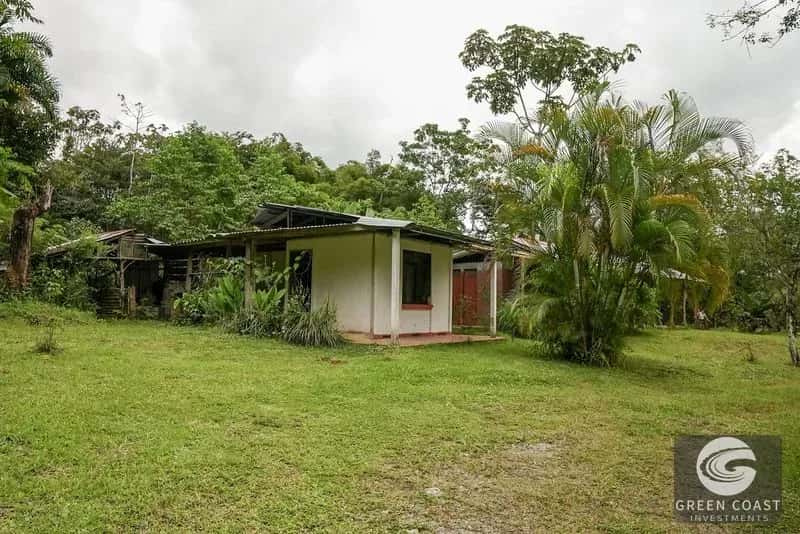
Overview: The San Vito Luxury Mountain Springs Estate and the Costa Rican Market
Costa Rica's real estate market presents a stark contrast in value and climate between its sun-drenched coastlines and its fertile highland regions. While popular beach towns command premium prices for compact lots, the cooler highland regions offer expansive acreage, superior privacy, and exceptional value. Currently, the broader Central Valley and highland market features 310 active listings ranging from USD 40,000 to USD 125,000,000, with an average price of USD 1,627,874.
Against this market backdrop, the San Vito Luxury Mountain Springs Estate: 21-Acre Private Forest Sanctuary with Turnkey Home emerges as an extraordinary value proposition, offering a fully equipped 21-acre private forest sanctuary priced at just USD 450,000.
High-Value Highland Acreage vs. Coastal Premiums
For buyers accustomed to the premium pricing of Guanacaste or the Central Pacific, the southern highlands of San Vito represent an untapped market where capital goes significantly further. In our years on this coast, we have watched beachside parcels shrink while prices climb.
The San Vito Luxury Mountain Springs Estate provides a massive 21-acre private reserve, complete with natural springs and a move-in-ready residence, for a fraction of the cost of a basic ocean-view condo. This price-to-acreage ratio is driving a shift among buyers who prioritize self-sufficiency, clean air, and expansive natural surroundings over crowded beach corridors.
Replicating the Coastal Service Model in the Highlands
A common concern for buyers transitioning from coastal resort areas to highland estates is the availability of professional estate maintenance. Investors who are familiar with the high-touch property management flamingo costa rica firms rely on to maintain luxury vacation rentals can easily replicate this hands-off ownership model in San Vito.
Instead of relying on large-scale corporate agencies, highland estate owners utilize a highly effective local caretaker system. By employing a dedicated mandador (estate manager) or local property steward, owners secure comprehensive, personalized maintenance for their acreage, security, and infrastructure. This traditional Costa Rican management structure provides a level of daily oversight, agricultural upkeep, and security that rivals any coastal management firm, ensuring your private forest sanctuary remains pristine and secure year-round.
---
Key Facts: Inside the 21-Acre Private Forest Sanctuary
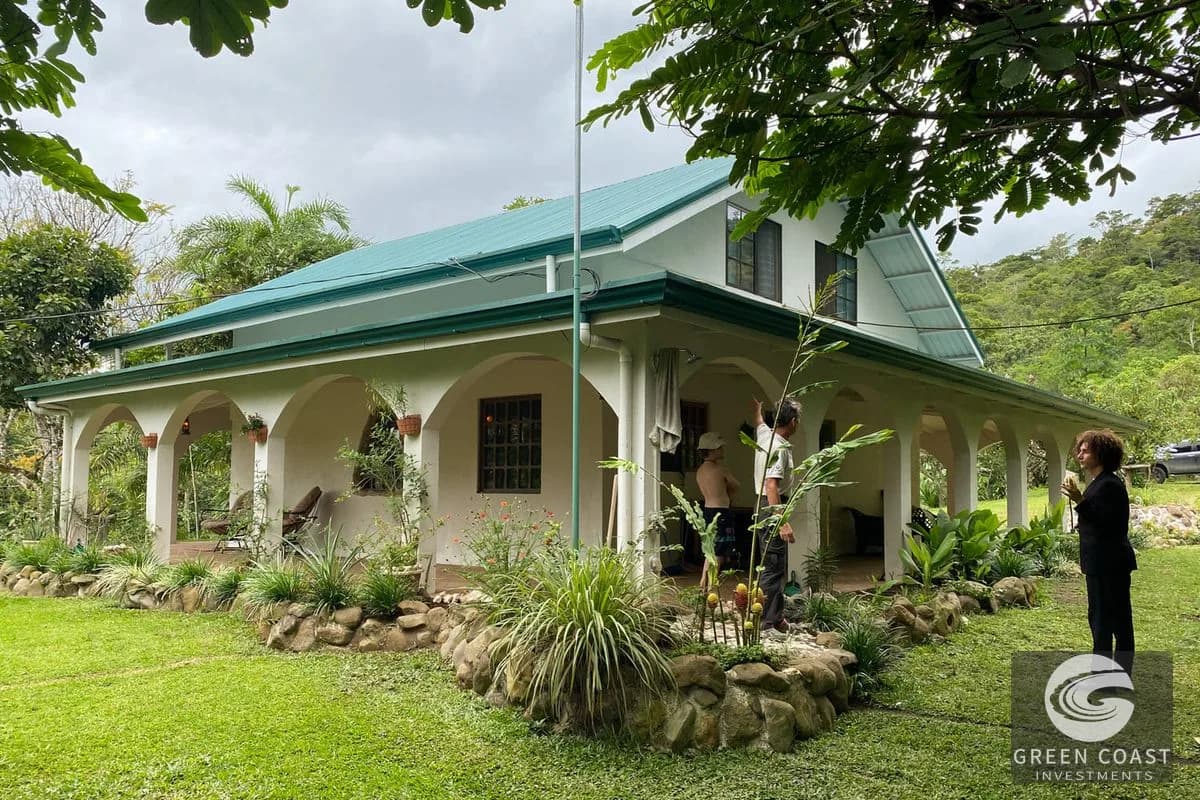
The San Vito Luxury Mountain Springs Estate is a 21-acre (approximately 8.5-hectare) private forest sanctuary priced at USD 450,000. Situated at an elevation of approximately 1,000 meters above sea level, this estate combines a fully furnished, move-in-ready home with untouched primary and secondary rainforest. This price point represents exceptional value in the current Costa Rican market, where active listings total 310 properties ranging from USD 40,000 to USD 125,000,000, with an average market price of USD 1,627,874.
Architectural Integration and Turnkey Residence
The existing home is designed to merge with the surrounding forest canopy. Large glass windows and open-air transition zones allow residents to observe local biodiversity directly from the living spaces. Built with high-quality materials suited for the highland climate, the residence comes fully furnished, allowing immediate occupancy. The layout optimizes natural ventilation, eliminating the need for energy-intensive cooling systems due to the cool mountain air at this altitude.
Natural Water Features and Private Trails
Water abundance is the defining characteristic of this estate. The acreage contains multiple year-round mountain springs and pristine creeks that flow continuously, even during the driest months. A private network of hiking trails winds through the primary forest, offering direct access to these water sources. These trails are stabilized and maintained, providing safe passage for daily hikes, birdwatching, and private recreation within the property boundaries.
Agricultural Potential and Permaculture Soil
The volcanic soil quality and temperate climate at 1,000 meters elevation provide ideal conditions for self-sustainable agriculture. The land is highly suited for growing high-altitude organic coffee, establishing diverse fruit orchards, or developing a large-scale permaculture project. The rich topsoil supports rapid growth, allowing buyers to establish food security and cultivate exotic plants with minimal soil amendment.
Modern Infrastructure and Security
While the estate offers complete privacy, it is equipped with modern infrastructure to support remote work and daily operations. High-speed internet is installed and fully operational, providing a reliable connection for remote business operations. A system of internal gravel roads ensures stable vehicle access throughout the property's topography, while gated access control at the property entrance ensures privacy and limits entry to authorized visitors.
How Does the Microclimate of San Vito Compare to Traditional Central Valley Towns?
San Vito offers a distinct, spring-like microclimate with average temperatures ranging from 65°F to 78°F (18°C to 25°C) year-round, providing a much cooler and fresher environment than the warmer, denser urban valley floors of Escazú, Santa Ana, or Atenas. Situated at an elevation of over 1,000 meters in the Coto Brus region, this mountain sanctuary eliminates the need for artificial air conditioning, offering a stark contrast to the dry, high-heat coastal zones where buyers often seek out services like property management flamingo costa rica to oversee climate-controlled luxury rentals.
Elevation, Temperature, and Energy Savings
Living at an elevation of 1,000+ meters in San Vito fundamentally changes your daily lifestyle and utility expenses. While Central Valley towns like Santa Ana and Atenas experience daytime highs that frequently climb into the mid-to-high 80s Fahrenheit, San Vito remains consistently temperate.
The natural mountain breezes keep indoor spaces cool during the day and crisp at night, reducing electricity consumption to a fraction of what coastal or low-elevation homeowners pay. Additionally, the high elevation promotes constant air circulation, free from the urban smog and dust accumulation common in the San José metropolitan area.
Year-Round Greenery vs. Seasonal Dryness
The southern highlands of San Vito benefit from a unique precipitation pattern that keeps the landscape lush and vibrant green throughout the entire year. This stands in sharp contrast to the Guanacaste coast, which experiences a severe dry season "brown-out" from December to April.
During these dry months, Guanacaste suffers from high winds, dusty roads, and average humidity levels that drop significantly, parching the local vegetation. In San Vito, the average humidity levels remain balanced—hovering between 70% and 85%—which sustains the private 21-acre forest sanctuary's rich biodiversity without the oppressive, heavy dampness found in low-lying coastal rainforests.
High-Value Market Context
For buyers analyzing the broader Costa Rican market, the contrast in regional environments is reflected in current real estate inventory. Across the country's active listings, there are currently 310 properties in this segment, with a wide price range spanning from USD 40,000 to USD 125,000,000, and an average price of USD 1,627,874. Acquiring a 21-acre estate with a private forest in San Vito allows investors to capture massive land acreage and water security at a highly competitive price point per square meter compared to the arid plots of the northern Pacific coast.
---
What Buyers Ask: Navigating Water Rights, Zoning, and Legalities in Costa Rica
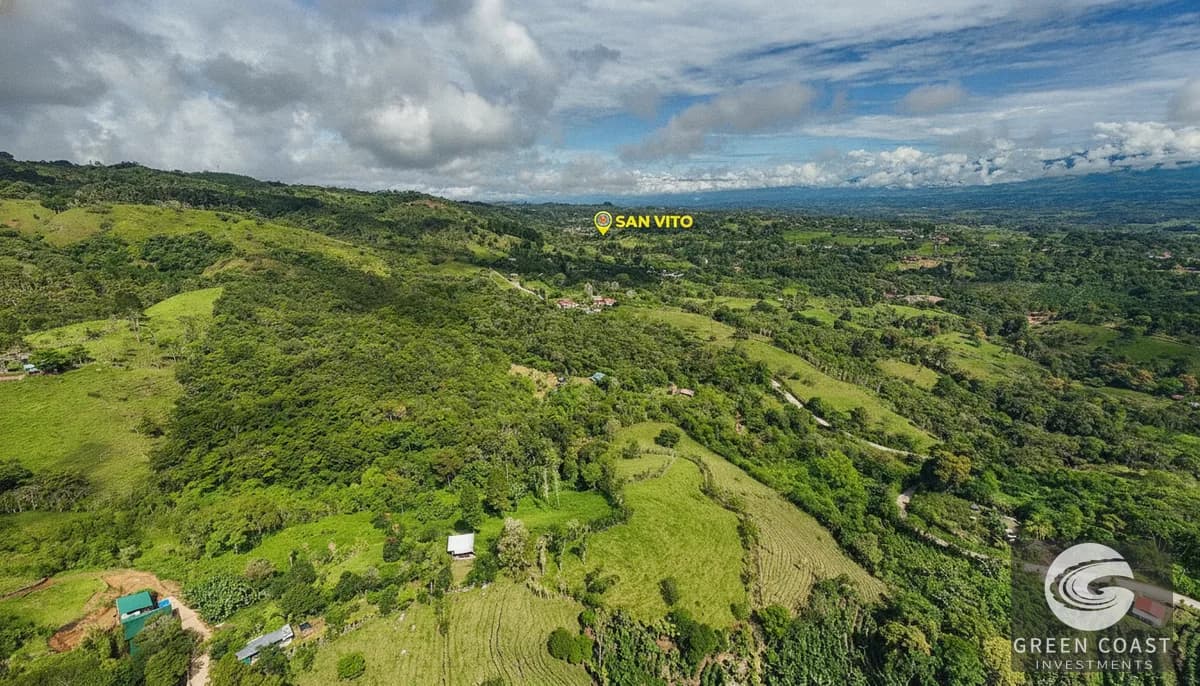
Purchasing a large-acreage mountain farm (finca) in Costa Rica requires rigorous legal due diligence to secure water rights, verify zoning, and protect environmental assets. Across the national market, which currently features 310 active listings ranging from USD 40,000 to USD 125,000,000 with an average price of USD 1,627,874, high-value estates demand specific legal structures to safeguard your capital. Buyers must verify that natural springs are legally registered, agricultural zoning allows for residential use, and tax structures are optimized for asset protection.
Securing Water Rights and ASADA Connections
In Costa Rica, all water is constitutionally owned by the state. To legally use water from a private mountain spring, the property must have an active, concessioned spring registered with the Ministry of Environment and Energy (MINAE). If the estate relies on local water associations (ASADAs), buyers must obtain a letter of water availability (carta de agua) before closing. Purchasing a property without a verified water concession or an ASADA letter prevents you from obtaining building permits.
Agricultural Zoning and MINAE Environmental Easements
Large-acreage mountain estates are typically zoned as agricultural (Agrícola). Under agricultural zoning laws, developers can build on only a fraction of the total land area—usually up to 10% or 15%—leaving the remaining acreage for conservation or farming. For a 21-acre private forest sanctuary, this restriction is an asset, preserving the surrounding canopy. If the land contains primary forest or natural springs, MINAE regulations establish mandatory setbacks and environmental easements. These regulations prohibit construction near water sources, protecting the local ecosystem while securing the privacy of the estate.
Transaction Costs, Taxes, and Corporate Holding Structures
Understanding the financial obligations of high-value acquisitions prevents unexpected liabilities at closing.
Closing Costs:* Standard transfer taxes, registry fees, and notary fees total approximately 3% to 4% of the registered transaction value. These costs are traditionally split equally between buyer and seller.
Luxury Home Tax (Impuesto Solidario):* This annual tax applies to residential properties with a construction value exceeding approximately USD 230,000. Because the tax applies only to the value of the physical construction and immediate residential infrastructure, the vast agricultural acreage of a large estate is exempt from this calculation.
Corporate Ownership (Sociedad Anónima): Holding the estate within a Costa Rican corporation (S.A.*) simplifies asset transfer, provides liability protection, and eases the management of local utility accounts.
Can I Find Reliable Property Management in San Vito Compared to Coastal Hubs?
Yes, you can find highly reliable property management in San Vito, though the operational model differs fundamentally from coastal tourism hubs. While looking for property management flamingo costa rica firms will connect you with agencies specialized in high-turnover vacation rentals and guest hospitality, mountain estate management in the Southern Highlands focuses on land stewardship, conservation, and infrastructure maintenance. Managing a 21-acre private forest sanctuary requires oversight of natural resources rather than constant guest check-ins.
The Role of the Mandador in Mountain Estate Stewardship
For large acreage in San Vito, the cornerstone of your management strategy is a mandador (a dedicated local property caretaker). Unlike a condo manager in Flamingo who coordinates maid services, a mandador maintains your private trails, monitors natural water springs, manages boundary lines, and oversees the health of the forested acreage.
The average monthly cost of a full-time local caretaker ranges from USD 600 to USD 900. This rate is fully compliant with Caja Costarricense de Seguro Social (CCSS) labor laws, which secure healthcare and pension benefits for your employee. This modest investment ensures your estate remains pristine and secure year-round.
> "Owning a mountain sanctuary doesn't mean isolation; it means shifting your management strategy from tourist turnover to ecological stewardship, utilizing trusted local networks."
> — Daniel Berkley, Green Coast Investments
Absentee Owner Setup Checklist
For US and Canadian buyers looking to secure this estate as a seasonal retreat, establishing a remote management structure is straightforward.
Legal Labor Contract: Draft a formal employment agreement with your mandador* through a Costa Rican labor attorney to ensure compliance with CCSS registration, aguinaldo (13th-month pay), and severance accruals.
Local Power of Attorney (POA):* Grant a limited POA to your local attorney or a trusted regional administrator to handle utility payments, municipal taxes, and CCSS monthly filings.
Property Management Software:* Implement basic remote monitoring tools, such as smart security cameras at key entry points and shared digital logs for maintenance tasks.
Emergency Protocol:* Establish a local contact network, including trusted neighbors in San Vito, trusted local contractors, and the local ASADA (water association) contact.
This structured approach allows you to confidently hold your investment. In a market with 310 active listings, ranging in price from USD 40,000 to USD 125,000,000 with an average price of USD 1,627,874, securing a robust management system is the key to preserving the long-term value of your high-end highland asset.
---
Regional Context: Infrastructure, Healthcare, and Expat Integration in the Southern Highlands
The Southern Highlands of Costa Rica offer a sophisticated infrastructure, accessible healthcare, and a unique cultural heritage that sets the region apart from crowded coastal markets. Unlike typical tropical destinations, San Vito presents a distinct European-Costa Rican fusion, having been founded by Italian immigrants in the 1950s. This historic influence is evident today in the local architecture, language, and authentic Italian dining options that coexist with traditional Costa Rican culture. For buyers looking at the San Vito Luxury Mountain Springs Estate, this region delivers a high quality of life supported by established public services and a welcoming, integrated community.
Healthcare and Essential Infrastructure in Coto Brus
Access to medical care is a primary consideration for international buyers, and San Vito excels in this category. The San Vito Hospital, a fully equipped facility within the Caja Costarricense de Seguro Social (CCSS) national healthcare system, is located less than 15 minutes from the estate. This proximity ensures immediate emergency care and routine medical services. Additionally, the town center features private clinics, dental practices, and pharmacies, providing comprehensive medical coverage without the need to travel to San José.
The local infrastructure includes paved main roads, reliable high-speed fiber-optic internet, and a stable electrical grid. These utility standards support remote professionals and retirees who require consistent connectivity while living in a private forest sanctuary.
Cost of Living and Community Integration
Living in the Southern Highlands offers a distinct financial advantage over high-density expat enclaves. The cost of living index in San Vito is approximately 30% lower than coastal tourist hubs like Flamingo or upscale Central Valley suburbs like Escazú. Daily expenses, fresh produce from the local feria, property maintenance, and local labor are highly affordable, allowing capital to stretch further.
| Regional Comparison | Southern Highlands (San Vito) | Coastal Hubs (e.g., Flamingo) |
| :--- | :--- | :--- |
| Cost of Living Index | Base | ~30% Higher |
| Primary Cultural Vibe | Italian-Costa Rican Fusion | North American Tourism |
| Community Style | Integrated & Agricultural | Expatriate Enclave |
Integration into the local community is natural and collaborative. Unlike the transient population of beach towns, the residents of San Vito—both local families and long-term expats—are deeply rooted in the region. This creates a secure, neighborly environment where newcomers are welcomed into community associations, agricultural cooperatives, and conservation initiatives.
Southern Highlands Real Estate Market Context
The broader Costa Rican real estate market remains highly active, with 310 active listings across key investment zones. Properties in the country span a wide price range of USD 40,000 to USD 125,000,000, with an average price of USD 1,627,874.
Acquiring a 21-acre private estate with an established home in San Vito allows buyers to secure significant acreage and water security at a fraction of the cost per acre found in the highly competitive coastal markets. If you want to explore the area and its surrounding highland communities, you will find a market rich in natural beauty and long-term value.
---
Next Steps: How to Secure the San Vito Mountain Springs Estate
Securing the 21-acre San Vito Mountain Springs Estate requires a structured acquisition process designed to protect foreign buyers under Costa Rican law. US and Canadian buyers can safely purchase this property by executing a formal Letter of Intent (LOI), executing a reciprocal Purchase and Sale Agreement (PSA), and depositing 10% of the purchase price into a registered, SUGEF-approved escrow account.
Step-by-Step Acquisition Protocol
1. Drafting the Letter of Intent (LOI): Your broker drafts an LOI outlining the purchase price of USD 450,000, proposed payment terms, and the required due diligence period (typically 30 to 45 days).
2. Escrow Setup: Once both parties sign the LOI, a registered escrow agent (such as Secure Title Latin America or STG) opens an account. The buyer deposits the 10% earnest money deposit into this account.
3. Due Diligence Period: Your legal representative conducts a comprehensive title search in the National Registry (Registro Nacional). This step verifies that the property is free of liens, mortgages, and annotations. Simultaneously, a licensed surveyor verifies the property boundaries against the registered survey map (plano catastrado).
4. Water and Environmental Verification: Your attorney verifies the registration of the natural springs with MINAE and confirms that the existing home has a valid water connection from the local ASADA.
5. Execution of the Purchase and Sale Agreement (PSA): Following successful due diligence, both parties execute the formal PSA, establishing the closing date and transferring the remaining balance to the escrow account.
6. Closing and Title Transfer: The closing takes place before a Costa Rican notary public, who records the transfer deed (escritura) in the National Registry, officially registering you as the new owner of the estate.