
Overview
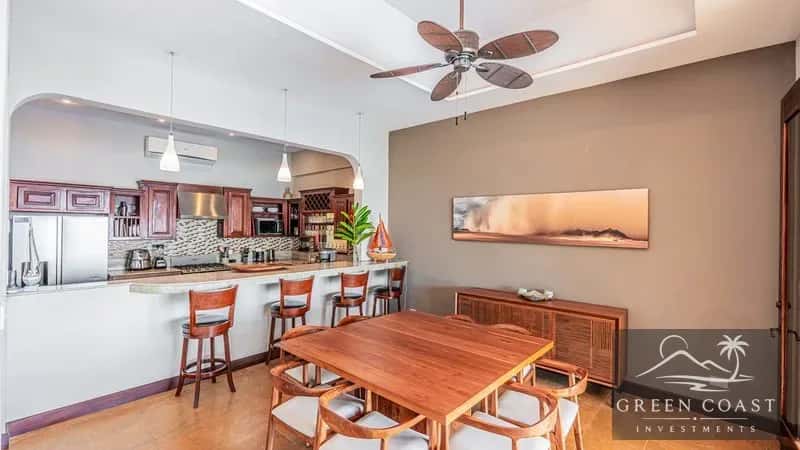
For buyers comparing active inventory, see Spectacular 5BR Ocean View Estate in Dominical | Pool, Luxury Finishes & 1.5 Acr.
The Dominical-Uvita corridor in Costa Rica's southern Pacific zone combines accessible beach living with established expat networks. Current dominical uvita real estate inventory shows 2 active listings priced between USD 850,000 and USD 2,500,000, averaging USD 1,675,000. This region draws retirees, remote workers, and small business owners who want proximity to beaches, Marino Ballena National Park, and wellness communities while maintaining access to services. San José's international airport sits approximately three hours north.
Who This Guide Is For
This guide serves prospective buyers and expats considering relocation to the Dominical-Uvita area, particularly those evaluating their first Costa Rica property purchase or comparing this region against other coastal zones like Tamarindo, Jacó, or the Caribbean coast. You'll find practical information on the buying process, community dynamics, and cost-of-living expectations specific to this microregion.
The information addresses common concerns for international buyers unfamiliar with Costa Rican real estate procedures, including legal requirements for foreign ownership, escrow processes, and property title verification. Remote workers will find details on internet reliability and coworking spaces, while retirees can assess healthcare access and expat community integration opportunities.
Current Market Snapshot
With only 2 active listings currently available, the dominical uvita real estate market reflects limited inventory typical of established coastal communities where property owners hold long-term. The USD 850,000 entry point represents smaller homes or properties requiring renovation, while the USD 2,500,000 upper range typically includes ocean-view estates, larger acreage, or completed homes in premium locations near Marino Ballena National Park or the Escaleras mountain zone.
This price range positions Dominical-Uvita in the mid-to-upper tier of Costa Rica's Pacific coast markets—more accessible than Papagayo Peninsula developments yet commanding premiums over inland Central Valley properties. Buyers should expect competitive conditions when desirable listings emerge, particularly for properties offering legal vacation rental permits or established income streams.
Market Context

The tight inventory creates urgency for serious buyers. In our experience, new listings often receive multiple inquiries within days of hitting the market. Properties in this price range generally include completed homes with 3-4 bedrooms, contemporary design elements, and amenities like infinity pools, outdoor living spaces, and sustainable features such as solar power.
Current Inventory and Price Ranges
The lower end of the current range (USD 850,000) may represent properties with smaller lot sizes (under 0.5 acres), locations farther from the coast, older construction requiring updates, or parcels without completed structures. These properties appeal to buyers willing to invest additional capital in renovations or new construction.
The upper range (USD 2,500,000) typically includes estates on larger parcels (1-5 acres), premium ocean views from elevated positions in the Escaleras area, multiple structures (main house plus guest casitas), and high-end finishes. Properties at this level often generate rental income if owners choose to monetize their investment during periods of non-occupancy.
What Buyers Compare Locally
Buyers evaluating Dominical Uvita real estate typically compare properties across several southern Pacific zone communities. Ojochal, located just south of Uvita, attracts buyers with its international restaurant scene and hillside properties offering similar ocean views at comparable price points. The French and Canadian expat presence in Ojochal has created a distinct culinary culture that appeals to food-focused buyers.
Jacó and Hermosa Beach to the north present alternatives with more developed infrastructure and closer proximity to San José (approximately 90 minutes versus three hours), though often at higher density and with less pristine natural surroundings. Jacó offers more nightlife, shopping centers, and medical facilities, but lacks the quieter, nature-focused atmosphere that defines the Dominical-Uvita corridor.
Many buyers also consider Nosara on the Nicoya Peninsula, which offers an established expat community and wellness-focused lifestyle, though typically at premium prices. Nosara's yoga and surf culture parallels Dominical's, but the Nicoya Peninsula location requires either a longer drive around the Gulf of Nicoya or a ferry crossing.
Within the immediate area, buyers weigh the trade-offs between Dominical's surf town energy and Uvita's quieter, family-oriented atmosphere. Dominical attracts younger surfers and those who prefer a more active social scene with bars and restaurants within walking distance. Uvita appeals to families with children and buyers seeking a calmer environment with easier access to Marino Ballena National Park and the famous "whale's tail" sandbar formation.
The comparison often comes down to lifestyle priorities. Dominical-Uvita appeals to those prioritizing natural beauty, marine biodiversity, and a more authentic Costa Rican experience, while accepting trade-offs in shopping variety and medical facilities compared to more developed zones. The region's improving road infrastructure and growing amenities continue to enhance its competitive position against these alternatives.
Community and Lifestyle

The Dominical-Uvita corridor hosts a diverse expat population estimated at 1,500-2,000 full-time foreign residents, with significant seasonal variation as snowbirds arrive from November through April. The community skews younger than traditional retirement destinations, with many residents in their 30s-50s running online businesses, managing vacation rentals, or operating small hospitality ventures.
Expat Demographics and Integration
The expat community includes substantial representation from the United States, Canada, and several European countries, particularly France, Germany, and the Netherlands. Unlike some Costa Rican areas where expats cluster in isolated enclaves, Dominical-Uvita residents tend to integrate more actively with local Ticos, partly due to the smaller scale of development and the shared focus on environmental conservation.
Weekly farmers markets in Uvita (Thursday mornings and Saturday mornings) serve as informal gathering points where expats and locals exchange information, buy organic produce, and connect with service providers. These markets have evolved beyond simple produce sales to include artisan crafts, prepared foods, and live music.
Several Facebook groups facilitate community connection, including "Uvita Information" and "Dominical Community," where residents share recommendations, sell used items, organize beach cleanups, and coordinate carpools to San José for shopping trips or medical appointments. These digital communities prove particularly valuable for newcomers seeking service provider recommendations or navigating bureaucratic processes.
Language remains a practical consideration. While many business owners in tourist-facing establishments speak English, daily life requires at least basic Spanish for interactions with utility companies, municipal offices, and local contractors. Most expats who successfully integrate invest in Spanish lessons during their first year, either through private tutors (USD 15-25 per hour) or group classes offered periodically by community organizations.
Social Activities and Organizations
The Dominical-Uvita area lacks the formal expat clubs and organized activities common in larger retirement communities like Lake Arenal or the Central Valley. Instead, social life revolves around informal networks built around shared interests: surf sessions, yoga classes, hiking groups, and environmental volunteer opportunities.
Envision Festival, held annually in late February or early March near Uvita, attracts thousands of visitors for a week-long celebration of music, art, and sustainability. While the festival brings temporary disruption and traffic, it also energizes the local economy and reflects the area's countercultural, environmentally conscious identity.
Marino Ballena National Park offers volunteer opportunities for beach cleanups and turtle conservation programs, providing both social connection and meaningful contribution to environmental protection. The park's seasonal humpback whale migrations (December-April and July-November) create natural gathering points as residents and visitors watch whales breach from shore or join boat tours.
Yoga studios and wellness centers function as de facto community centers, offering not just classes but workshops, lectures, and social events. Danyasa Yoga Studio in Dominical and Costa Rica Yoga Spa in Uvita both maintain regular class schedules and host visiting teachers for intensive workshops and retreats.
Surfing culture dominates Dominical's social scene, with consistent waves attracting beginners and experienced surfers year-round. The rivermouth break offers long, mellow waves suitable for learning, while more advanced surfers find challenging conditions at nearby breaks like Playa Hermosa (not to be confused with the Jacó-area beach of the same name). Surf lessons run USD 50-75 for a two-hour session, with board rentals available for USD 15-20 daily.
Dining and Entertainment
The restaurant scene reflects the area's international population, with options ranging from traditional Costa Rican sodas (small family-run restaurants) to upscale fusion cuisine. Dominical offers higher density of dining and nightlife options, including several bars with live music on weekends. Uvita's dining scene has expanded significantly in recent years but maintains a quieter character.
Ojochal, a 15-minute drive south of Uvita, has developed a reputation for fine dining disproportionate to its small size, with French, Spanish, and international restaurants operated by expat chefs. Many Dominical-Uvita residents make regular trips to Ojochal for special occasions or simply to enjoy the food.
Grocery shopping requires adjustment for those accustomed to North American supermarket variety. Small pulperías (corner stores) in Dominical and Uvita stock basics but limited selection. For major shopping trips, residents drive 40 minutes north to Quepos, which has a Mas x Menos supermarket and better selection of imported goods, or 45 minutes east to San Isidro de El General (often called Pérez Zeledón), which offers multiple supermarkets, a hospital, and big-box stores.
The Thursday and Saturday farmers markets in Uvita provide excellent organic produce, fresh fish, artisan bread, and prepared foods at prices generally lower than supermarkets. Many residents structure their meal planning around market availability, embracing seasonal eating and supporting local farmers.
Practical Living Considerations
Daily life in the Dominical-Uvita corridor requires adaptation to infrastructure limitations and tropical climate realities. Understanding these practical factors before purchasing dominical uvita real estate helps set realistic expectations.
Internet and Connectivity
Internet reliability has improved substantially in recent years but remains variable depending on specific location. Kolbi (ICE) and Tigo offer fiber optic service in some areas of Uvita and Dominical, providing speeds of 20-100 Mbps sufficient for video calls and remote work. Properties in more remote locations, particularly in the Escaleras mountains, may rely on slower DSL connections or satellite internet.
Before purchasing property for remote work purposes, verify internet availability at the specific location. Some areas have fiber infrastructure in place, while neighboring properties a few hundred meters away may only access slower technologies. Your real estate attorney can help confirm service availability during due diligence.
Cell phone coverage from Kolbi and Movistar works reliably in town centers but can be spotty in mountainous areas. Many residents maintain service with both providers to ensure connectivity, as coverage patterns differ between carriers.
Several coworking spaces have opened in recent years, offering reliable high-speed internet, air conditioning, and professional work environments for remote workers who need guaranteed connectivity or prefer separation between home and work. Monthly memberships typically run USD 100-200, with day passes available for USD 10-15.
Healthcare Access
The Dominical-Uvita area has limited medical facilities. The EBAIS (basic healthcare clinic) in Uvita provides primary care through Costa Rica's public healthcare system (Caja), but serious medical issues require travel to larger facilities.
The nearest hospital is in San Isidro de El General (Pérez Zeledón), approximately 45 minutes east. This public hospital handles emergencies, surgeries, and specialist consultations. For more complex procedures or private care, most expats travel to CIMA Hospital in San José, a modern private facility affiliated with Baylor University Medical Center that accepts international insurance and offers services comparable to U.S. hospitals.
Several private clinics in Uvita offer urgent care, basic diagnostics, and general practice services. These clinics operate on a cash basis (USD 40-80 for consultations) and provide faster access than the public system, though with limited diagnostic equipment and no emergency surgery capabilities.
Dental care in the area has expanded, with several English-speaking dentists offering services at approximately 50-70% of U.S. prices. Many expats schedule routine dental work locally while traveling to San José for more complex procedures.
Pharmacies in Uvita stock common medications, though selection is limited compared to larger cities. Prescription requirements are generally less strict than in the United States, with many medications available over the counter. For specialized medications, residents order from San José pharmacies with delivery service or pick up during trips to the capital.
Expats over 55 can join the Caja (public healthcare system) as voluntary contributors for approximately USD 75-150 monthly depending on declared income. This provides access to public clinics and hospitals, though wait times for specialists and elective procedures can extend several months. Many expats maintain both Caja membership and private insurance or travel insurance for flexibility.
Transportation and Road Conditions
The Costanera Sur highway (Route 34) connects Dominical and Uvita to Quepos in the north and the Osa Peninsula to the south. This paved highway has improved dramatically over the past decade, though heavy rains can still cause temporary closures or rough conditions. The drive to San José takes approximately three hours under good conditions, longer during rainy season or holiday traffic.
Most residents own vehicles, as public transportation exists but runs infrequently and doesn't serve many residential areas. A 4x4 vehicle is essential for properties accessed by unpaved roads, particularly in the Escaleras area where steep grades and rough conditions make two-wheel-drive vehicles impractical during rainy season (May-November).
Public buses connect Dominical and Uvita to San José several times daily (USD 8-10, approximately 4-5 hours), and local buses run between Dominical, Uvita, and Ojochal. Taxis operate in both towns, though availability can be limited during peak hours. Ride-sharing services like Uber don't operate in this area.
The nearest international airport is Juan Santamaría International Airport (SJO) in San José. Some travelers use the smaller Quepos airport (approximately 40 minutes north), which offers domestic flights to San José and limited international charters, though flight costs are significantly higher than international flights into SJO.
Road conditions on secondary roads vary widely. Many properties in desirable hillside locations with ocean views require driving on unpaved roads that become muddy and rutted during rainy season. Budget for higher vehicle maintenance costs and more frequent tire replacements than you'd experience in urban areas.
Climate and Seasonal Considerations
The Dominical-Uvita area experiences a tropical climate with distinct dry season (December-April) and rainy season (May-November). Unlike the northern Pacific coast, which sees almost no rain during dry season, this southern zone receives occasional rain even in dry months, maintaining green landscapes year-round.
Rainy season brings daily afternoon downpours, though mornings often start sunny. This pattern allows for beach activities and outdoor work in the morning, with rain typically arriving between 2-5 PM. September and October see the heaviest rainfall, with occasional multi-day storms that can cause flooding in low-lying areas and landslides on mountain roads.
Humidity remains high year-round (70-90%), requiring adjustment for those from drier climates. Mold and mildew present constant challenges, requiring vigilant home maintenance, dehumidifiers in closets, and acceptance that leather goods, books, and electronics face shorter lifespans than in temperate climates.
Temperatures stay consistent year-round, with daytime highs of 85-92°F (29-33°C) and nighttime lows of 70-75°F (21-24°C). Properties at higher elevations in the Escaleras area enjoy cooler temperatures, often 5-10 degrees lower than the coast, with better airflow reducing the need for air conditioning.
Most homes in this area lack central air conditioning, relying instead on ceiling fans, cross-ventilation, and architectural design to manage heat. Properties with air conditioning typically install mini-split units in bedrooms only, as cooling entire homes becomes prohibitively expensive with electricity costs of USD 0.20-0.30 per kWh.
Cost of Living
Monthly expenses in the Dominical-Uvita corridor vary significantly based on lifestyle choices, housing situation, and how closely you approximate North American consumption patterns versus adapting to local options. The following estimates assume a couple living in a modest home without mortgage payments.
Housing Costs
For those renting rather than purchasing dominical uvita real estate, monthly rental costs range from USD 800-1,200 for a basic two-bedroom house to USD 1,500-3,000 for a nicer three-bedroom home with ocean views or in a gated community. Long-term rentals (six months or more) command better rates than short-term vacation rentals.
Property taxes remain remarkably low at 0.25% of registered value annually. For a property valued at USD 1,000,000, annual property tax runs approximately USD 2,500, or about USD 208 monthly. Registered values often sit below market values, further reducing tax obligations.
Homeowners association fees in gated communities typically run USD 100-400 monthly, covering road maintenance, security, and shared amenities like pools or tennis courts. Properties outside gated communities have no HOA fees but require owners to maintain their own access roads and security measures.
Utilities for a typical home run USD 150-300 monthly total, including electricity (USD 80-150), water (USD 15-30), and internet (USD 50-80). Electricity costs spike if you rely heavily on air conditioning; homes using AC in multiple rooms can see bills of USD 300-500 monthly during hot months.
Food and Groceries
Food costs depend heavily on whether you buy local products at farmers markets and cook at home versus purchasing imported goods and dining out frequently. A couple cooking primarily at home with a mix of market produce and supermarket staples typically spends USD 400-600 monthly on groceries.
Farmers markets offer excellent value: fresh fish USD 6-10 per pound, organic vegetables USD 1-3 per pound, tropical fruits USD 0.50-2 per pound, and artisan bread USD 3-5 per loaf. Local eggs cost USD 3-4 per dozen, and fresh chicken from local farms runs USD 4-6 per pound.
Supermarket prices for imported goods run 20-50% higher than U.S. prices. A jar of peanut butter might cost USD 8, imported cheese USD 12-15 per pound, and breakfast cereal USD 6-8 per box. Residents who insist on maintaining North American dietary habits face significantly higher grocery bills.
Dining out ranges from USD 6-10 per person at local sodas serving casados (traditional Costa Rican plate lunches) to USD 15-25 per person at mid-range restaurants, and USD 30-60 per person at upscale establishments in Ojochal. A couple dining out 2-3 times weekly might spend USD 300-500 monthly.
Beer at restaurants costs USD 3-5, cocktails USD 6-10, and wine by the glass USD 5-8. Grocery store prices are lower: local beer USD 1.50-2 per bottle, imported beer USD 2.50-3.50, and wine USD 8-30 per bottle depending on quality.
Transportation
Vehicle ownership costs include annual marchamo (registration and mandatory insurance) of approximately 3.5% of the vehicle's fiscal value, which depreciates on a set schedule. For a vehicle with a fiscal value of USD 20,000, annual marchamo runs about USD 700. Fuel costs approximately USD 4.50-5.00 per gallon.
A typical monthly transportation budget including fuel, maintenance, and repairs runs USD 200-400 for moderate driving. Add more if you make frequent trips to San José or Quepos for shopping and services. Vehicle maintenance costs run higher than in developed countries due to rough road conditions and limited competition among mechanics.
Mandatory vehicle inspections (Revisión Técnica or RTV) cost approximately USD 25-35 annually. Many vehicles require minor repairs to pass inspection, adding USD 100-300 to the annual cost depending on the vehicle's condition.
Insurance and Healthcare
Private health insurance for expats varies widely based on age, coverage level, and pre-existing conditions. Expect USD 150-400 monthly per person for comprehensive coverage through Costa Rican providers like INS or international plans. Many expats opt for high-deductible catastrophic coverage (USD 100-200 monthly) while paying out-of-pocket for routine care.
Caja (public healthcare) costs approximately USD 75-150 monthly for voluntary contributors, based on declared income. This provides access to public clinics and hospitals, though with longer wait times than private care.
Homeowners insurance runs approximately 0.3-0.6% of the property value annually, or USD 250-500 monthly for a USD 1,000,000 home. Coverage typically excludes earthquake damage unless specifically added, and deductibles are higher than North American policies.
Total Monthly Budget Estimates
A couple living modestly in owned property (no rent or mortgage) can maintain a comfortable lifestyle on USD 2,000-2,500 monthly, including utilities, food, transportation, insurance, and entertainment. This assumes cooking most meals at home, limited travel, and adapting to local consumption patterns.
A more comfortable lifestyle with regular dining out, occasional trips to San José, and maintaining more North American consumption habits requires USD 3,000-4,000 monthly. This budget allows for gym memberships, yoga classes, regular restaurant meals, and imported groceries.
Luxury living with frequent travel, high-end dining, domestic help, and maintaining North American standards for all purchases can easily exceed USD 5,000-7,000 monthly.
These estimates exclude rent or mortgage payments. Add USD 1,500-3,000 monthly for rental housing if you're not purchasing property.
Buying Process
Foreign buyers can purchase Dominical Uvita real estate with the same rights as Costa Rican citizens, making the region accessible to international investors seeking coastal property. The process typically takes 60-90 days from offer acceptance to closing, with total transaction costs ranging from 4-6% of the purchase price.
Foreign Ownership Basics
Costa Rica's constitution guarantees foreigners the right to own property in fee simple title, with no restrictions on residential real estate. You'll encounter two primary ownership structures: direct fee simple (título de propiedad) and corporations (sociedades anónimas). Most buyers establish a Costa Rican corporation to hold title, which offers privacy benefits (ownership isn't publicly recorded) and simplifies future transfers or estate planning.
Setting up a corporation costs USD 800-1,500 through an attorney and requires annual maintenance including a registered agent (USD 300-500 yearly) and filing annual reports. The corporation must have a fiscal representative (often your attorney) and maintain proper documentation. While corporations add complexity and ongoing costs, most attorneys recommend this structure for properties over USD 500,000.
Before making an offer, hire a local attorney to conduct due diligence on the property. Your lawyer will verify the title at the National Registry (Registro Nacional), confirm property boundaries match the legal description through a survey or catastro verification, check for liens or encumbrances, and ensure all property taxes are current. They'll also verify that beachfront properties comply with the Maritime Zone regulations, which restrict development within 200 meters of the high tide line.
Maritime Zone properties fall into two categories: the first 50 meters from high tide (Zona Pública) cannot be privately owned, while the next 150 meters (Zona Restringida) can be leased through concessions from the municipality but not owned outright. Many beachfront properties in the area hold concession leases rather than fee simple title, which affects financing options, resale value, and long-term security. Your attorney should clearly explain the ownership structure for any beachfront property.
Water availability requires special attention in this region. Properties should have either a municipal water connection (AyA) or legal access to a well with proper concession from SENARA (the national water authority). Your attorney should confirm water rights are included in the sale and verify that any wells have proper permits. Properties relying on illegal wells or informal water arrangements face risks of enforcement action and difficulty obtaining construction permits.
Topographic surveys and boundary verification prevent future disputes with neighbors. The National Registry's property descriptions often lack precision, and physical boundaries may not match legal descriptions. Invest USD 800-1,500 in a professional survey before closing to confirm exact boundaries and identify any encroachments.
Closing Timeline and Costs
The standard timeline begins with a purchase agreement (contrato de compraventa) and earnest money deposit of 5-10%. This agreement should be prepared by your attorney and include contingencies for satisfactory due diligence, clear title, and any other conditions specific to your purchase.
Your attorney then conducts title research and due diligence over 2-3 weeks. This includes obtaining a personería jurídica (legal status certificate) if the seller is a corporation, verifying corporate standing and authority to sell, checking for municipal tax debts, confirming utility bills are current, and reviewing any homeowners association documents and fee status.
Once cleared, both parties sign the transfer deed (escritura) before a notary public. The notary verifies identities, confirms both parties understand the transaction, and registers the deed with the National Registry. Registration typically takes 2-4 weeks, though delays can extend this timeline.
Total closing costs for buyers include transfer tax (1.5% of registered value), legal fees (typically 1-1.5% of purchase price), notary fees (approximately 0.25%), and corporate setup if applicable (USD 800-1,500). Sellers pay real estate commissions (typically 5% split between listing and buyer agents) and capital gains tax if applicable.