
The 'CEQA Real Estate' Opportunity in Dominical/Uvita, Costa Rica
For buyers comparing active inventory, see Turnkey Jungle Hostel with 16 Beds, Pool & Strong Revenue Potential Near Marino .
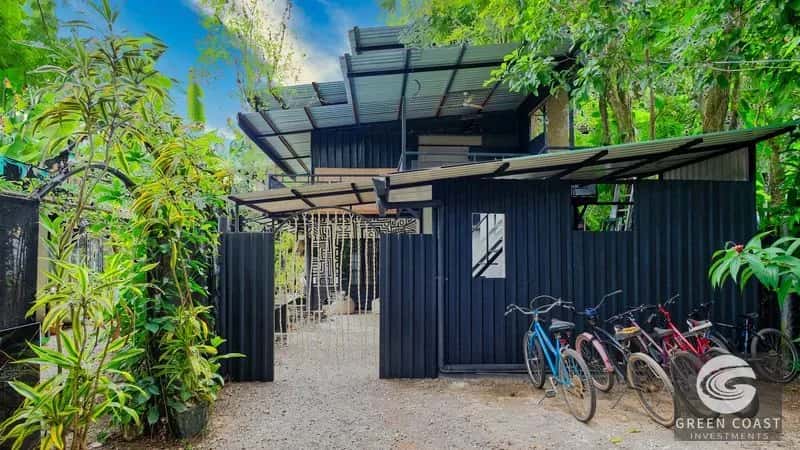
The 'CEQA Real Estate' opportunity in Dominical/Uvita, Costa Rica, involves strategic investment in properties that offer environmental sustainability and economic returns. This concept focuses on acquiring assets that benefit from the region's natural beauty and growing eco-tourism market. We are examining a jungle hostel with 16 beds and a pool, near Marino Ballena National Park, priced at USD 559,000. This property uses its natural surroundings for guest appeal while offering a proven business model.
Dominical and Uvita are prime locations for commercial real estate investments, appealing to US and Canadian buyers. The region's popularity stems from its Pacific coastline, rainforests, and infrastructure catering to international tourists. This growth is reflected in the local real estate market, which currently features 174 active listings with a price range of USD 90,000–13,000,000, and an average price of USD 860,541. The area's consistent appeal to eco-tourists, surfers, and those seeking a tranquil yet adventurous escape makes it an ideal setting for hospitality ventures.
This 16-bed jungle hostel offers a transactional opportunity. Its features include a well-maintained facility with a pool, multiple guest rooms, and a location providing access to Marino Ballena National Park. The business is operational and ready for immediate management, minimizing startup complexities. This established operation, combined with its strategic location and the region's tourism trends, positions this hostel as an income-generating asset for a buyer looking to capitalize on Costa Rica's hospitality sector.
Why Dominical & Uvita are Ideal for Commercial Real Estate Investment

Dominical and Uvita are ideal for commercial real estate investment due to their blend of natural beauty, eco-tourism appeal, and an expanding expat community, supported by improving infrastructure and a dynamic real estate market. This region, attractive for ceqa real estate investors, benefits from its proximity to attractions like Marino Ballena National Park, ensuring a consistent influx of visitors.
The region's appeal comes from its Pacific coastline, rainforests, and diverse wildlife, drawing eco-tourists and nature enthusiasts. This natural capital, combined with a growing international community seeking a laid-back lifestyle, fuels demand for accommodations and services. Consistent tourist traffic is bolstered by the area's strategic location near iconic destinations such as Marino Ballena National Park, famous for its whale's tail sandbar, and other natural wonders like Nauyaca Waterfalls and Corcovado National Park. These attractions guarantee a steady stream of visitors throughout the year, crucial for the sustained success of commercial properties like hostels.
Infrastructure Development and Market Dynamics
Dominical and Uvita have seen significant improvements in infrastructure, impacting commercial viability. Road networks, including the Costanera Sur highway, are well-maintained, providing access to major cities and airports. Essential utilities like reliable electricity and potable water are increasingly accessible, and high-speed internet connectivity is becoming standard, supporting business operations. These advancements enhance the region's appeal for residents and tourists, benefiting commercial enterprises.
The current real estate market in Dominical/Uvita is characterized by strong growth trends, reflecting increasing demand. As of recent data, there are 174 active listings in the area, with prices ranging from USD 90,000 to USD 13,000,000, and an average listing price of USD 860,541. This broad range indicates a diverse market capable of accommodating various investment levels. Compared to other regions in Costa Rica, such as Guanacaste or Jacó, Dominical/Uvita offers a balance of developing infrastructure, authentic natural experiences, and community, often at more accessible entry points for commercial investment while still promising appreciation potential. The market here is less saturated than some established tourist hubs, offering more room for new ventures.
How a Hostel Near Marino Ballena National Park Generates Strong Revenue

A hostel, priced at USD 559,000, near Marino Ballena National Park, generates strong revenue by capitalizing on its established infrastructure, appealing to diverse tourists, and implementing strategic operational practices. Its 16-bed capacity, with amenities like a swimming pool and common areas, provides a comfortable and social base for travelers. By maximizing occupancy through dynamic pricing and offering additional services, the property can achieve consistent profitability.
Hostel Features and Appeal
This property offers a layout designed to attract and accommodate guests. The 16 beds are likely distributed across private rooms and dormitory-style accommodations, catering to different budget levels. The swimming pool is a significant draw in Costa Rica's tropical climate. Thoughtfully designed common areas (e.g., communal kitchen, lounge, outdoor seating) foster a social atmosphere, a key appeal for hostel-goers. These features contribute to guest satisfaction and positive reviews, driving repeat business and new bookings.
Targeting the Right Demographics
The Dominical/Uvita region, near Marino Ballena National Park, attracts specific travelers. The primary target demographics for a hostel here include:
* Backpackers: Seeking affordable, social accommodation while exploring natural attractions.
* Eco-tourists: Drawn to the national park for whale watching, snorkeling, and wildlife viewing.
* Budget Travelers: Looking for value-for-money stays.
* Adventure Seekers: Engaging in activities like surfing, zip-lining, and hiking.
Understanding these groups allows for tailored marketing efforts and service offerings.
Maximizing Occupancy and Average Daily Rates (ADR)
Achieving strong revenue relies on high occupancy rates and optimized ADR. Strategies include:
* Online Travel Agencies (OTAs): Listing on platforms like Booking.com, Hostelworld, and Airbnb to reach a global audience.
* Direct Bookings: Incentivizing direct bookings through website promotions to avoid OTA commissions.
* Dynamic Pricing: Adjusting rates based on demand, seasonality, and local events.
* Length of Stay Discounts: Offering reduced rates for longer stays to increase occupancy.
* Promotional Packages: Bundling accommodation with local activities or transportation.
Additional Revenue Streams
Beyond bed nights, a hostel can boost its income through various ancillary services:
* Tours and Excursions: Partnering with local operators for commissions on whale watching, surfing lessons, waterfall tours, and national park visits.
* Food & Beverage: Offering breakfast, light meals, snacks, and a small bar service.
* Equipment Rentals: Providing surfboards, snorkeling gear, bicycles, or beach essentials.
* Shuttle Services: Arranging airport transfers or local transport for guests.
Year-Round Profitability: Navigating Seasonality
Costa Rica experiences distinct high and low seasons. While the dry season (December-April) brings peak tourism, strategies for the green season (May-November) are crucial:
* Green Season Promotions: Offering discounted rates, package deals, or extended stay incentives.
* Targeting Local Tourism: Marketing to Costa Rican residents seeking weekend getaways.
* Hosting Events: Organizing workshops, retreats, or themed nights to attract guests during slower periods.
* Maintenance and Upgrades: Scheduling major maintenance during the lowest occupancy months.
The local real estate market, with 174 active listings and an average price of USD 860,541 (ranging from USD 90,000–13,000,000), indicates a robust investment environment. A well-managed hostel at USD 559,000 presents a competitive and profitable venture within this landscape.
What 'Turnkey' Entails for a Foreign Buyer of a Commercial Property in Costa Rica
For this 16-bed jungle hostel near Marino Ballena National Park, 'turnkey' means the property is fully operational and income-generating from day one. A foreign buyer can expect to acquire a business ready to accept guests immediately, complete with established operations, existing staff, and a proven revenue stream. This contrasts with developing a new property or acquiring one that requires significant setup or renovation before it can function commercially.
Existing Staff and Management
A key component of this turnkey offering is the existing, experienced staff. This typically includes a manager, cleaning crew, and potentially maintenance personnel. These individuals are familiar with the property's operations, local regulations, and guest expectations. The transition plan usually involves retaining these staff members, ensuring continuity of service and a smooth handover. Buyers will inherit established payroll systems and employment contracts, which Green Coast Investments can help review and advise on. Understanding local labor laws and cultural nuances will be important for effective staff management post-acquisition.
Established Supplier Relationships and Operational Systems
The hostel comes with a network of established supplier relationships for everything from linens and cleaning supplies to food and beverage provisions (if applicable). These relationships often come with preferred pricing and reliable delivery, eliminating the need for a new owner to source these critical services from scratch. Operational systems, such as inventory management, maintenance schedules, and guest check-in/check-out procedures, are already in place and documented, providing a blueprint for continued success.
Marketing Channels, Booking Platforms, and Online Presence
A significant advantage of a turnkey operation is its established market presence. This hostel will have active listings on major online travel agencies (OTAs) like Booking.com and Expedia, a functional website, and potentially social media accounts with a following. These platforms are crucial for generating bookings and maintaining visibility. The buyer will inherit access to these accounts, along with historical booking data and guest reviews, which are invaluable for understanding past performance and future marketing strategies.
What to Inherit vs. What to Establish
Upon purchase, a buyer will immediately inherit the physical property, all furnishings, equipment, and the operational business as described above. This includes the existing staff, supplier contracts, and online presence. What a buyer will need to establish or refine typically involves their personal management style, any desired branding changes, and potentially new marketing initiatives to grow the business further. While the foundation is solid, there's always room for an owner to inject their vision and optimize operations. The current market shows active listings ranging from USD 90,000 to USD 13,000,000, with an average price of USD 860,541, indicating a diverse real estate landscape where a turnkey commercial property like this hostel represents a specific, higher-value segment.
Legal Steps for a US/Canadian Buyer to Acquire and Operate a Commercial Property in Costa Rica
Acquiring and operating a commercial property like a hostel in Costa Rica as a US or Canadian buyer involves several key legal steps, primarily focusing on establishing a clear ownership structure, conducting thorough due diligence, securing necessary permits, understanding local labor and tax laws, and engaging expert local counsel. This structured approach ensures compliance and protects your investment in a foreign market.
Property Ownership Structures for Foreigners
Foreign buyers typically acquire Costa Rican real estate through a Costa Rican corporation (Sociedad Anónima or Limitada). This structure offers several advantages, including limited liability, simplified transfer of ownership (by transferring shares rather than the property deed), and potential tax benefits. While direct ownership in a personal name is possible, it is less common for commercial ventures due to liability concerns and more complex inheritance processes. Your legal counsel will advise on the most suitable corporate structure based on your specific goals and tax situation.
Due Diligence Process for Commercial Properties
A comprehensive due diligence process is critical. This involves verifying the property's title history, ensuring it is free of liens or encumbrances, and confirming all property taxes are current. For commercial properties, due diligence extends to reviewing existing business licenses, environmental permits, and any contracts related to the hostel's operation (e.g., utility agreements, supplier contracts). A professional survey (plano catastrado) is essential to confirm boundary lines and property size. Given the active listings of 174 properties with an average price of USD 860,541, thorough due diligence is paramount to protect your investment.
Required Permits and Business Licenses
Operating a hostel in Costa Rica necessitates obtaining several permits and licenses. Key requirements include a municipal operating permit (Patente Municipal), health permits from the Ministry of Health, and potentially environmental permits depending on the property's location and specific operations. For properties near protected areas like Marino Ballena National Park, additional environmental impact assessments or permits might be required. Your attorney and a local permit expediter can guide you through this complex process.
Understanding Costa Rican Labor Laws
As an employer, you must comply with Costa Rica's strict labor laws. These cover aspects such as minimum wage, working hours, overtime pay, social security contributions (CCSS), vacation time, and severance pay. It's crucial to have employment contracts drafted by a local attorney to ensure they adhere to Costa Rican regulations and clearly define employee rights and obligations.
Tax Implications for Foreign Owners
Foreign owners of commercial properties in Costa Rica are subject to various taxes, including property taxes (Impuesto de Bienes Inmuebles), corporate income tax on profits generated by the hostel, and potentially sales tax (IVA) on services rendered. Understanding these obligations and structuring your business efficiently with the help of a local accountant is vital for financial planning and compliance.
Importance of Local Legal Counsel and Real Estate Professionals
Engaging experienced local legal counsel and a reputable real estate professional is essential. An attorney specializing in real estate and commercial law will guide you through every legal step, from drafting purchase agreements to setting up your corporate structure and advising on permits. A knowledgeable real estate agent, like those at Green Coast Investments, provides market insights, helps identify suitable properties, and facilitates negotiations, ensuring a smooth and secure transaction.
ROI and Operational Costs for a 16-Bed Hostel in Dominical/Uvita
For a 16-bed hostel in Dominical/Uvita, priced at USD 559,000, a strong return on investment (ROI) is achievable, typically ranging from 8-15% annually, depending on occupancy rates, average daily rates (ADR), and efficient operational management. This ROI is calculated by comparing net operating income (NOI) against the initial investment. Operational costs, including utilities, staff, and maintenance, are significant but manageable, contributing to a healthy profit margin when occupancy is optimized.
Methodologies for Calculating Potential ROI
Calculating the potential ROI for a commercial hostel in Costa Rica involves several key metrics. The most common approach is to determine the Cap Rate (Capitalization Rate), which is Net Operating Income (NOI) divided by the property's purchase price. NOI is derived by subtracting all operating expenses from the gross rental income. For a more comprehensive view, cash-on-cash return can be calculated, especially if financing is involved, by dividing the annual pre-tax cash flow by the total cash invested. Pro forma financial statements, projecting revenues and expenses over a 3-5 year period, are crucial for understanding long-term profitability and potential appreciation.
Breakdown of Typical Operational Costs
Operating a 16-bed hostel near Marino Ballena National Park involves several recurring expenses.
* Utilities: Electricity (especially for air conditioning and pool pump), water, and internet/cable are primary costs. Expect these to fluctuate with occupancy and seasonal usage.
* Staff Salaries: For a 16-bed operation, you'll likely need a manager, cleaning staff, and potentially a night watchman or reception coverage. Labor costs in Costa Rica are generally lower than in North America but include mandatory benefits.
* Maintenance: Regular upkeep of the property, pool, landscaping, and minor repairs are essential to maintain guest satisfaction and property value.
* Marketing: Online travel agencies (OTAs), social media promotion, and direct booking website maintenance are necessary to attract guests.
* Insurance: Property insurance, liability insurance, and potentially employee insurance are critical.
* Taxes: Property taxes (municipal taxes) and income taxes on profits are mandatory.
Discussion of Potential Profit Margins based on Occupancy and ADR
Profit margins are directly tied to occupancy rates and the Average Daily Rate (ADR) you can command. With 16 beds, even at a conservative ADR of USD 30-50 per bed per night, high occupancy (60-80% or more) can generate substantial revenue. For example, at 70% occupancy and an ADR of USD 40, a 16-bed hostel could generate approximately USD 13,440 per month in gross revenue. After deducting the operational costs mentioned above, the remaining figure represents your net operating income, from which profit margins are derived. Strategic pricing during peak seasons and offering additional services can significantly boost ADR and, consequently, profit margins.
Factors Influencing ROI: Management Efficiency, Marketing Efforts, Property Upgrades
Several factors can significantly impact your hostel's ROI. Efficient management, including smart staffing, cost control, and proactive maintenance, directly improves the bottom line. Robust marketing efforts, both online and locally, ensure consistent bookings and higher occupancy. Strategic property upgrades, such as enhancing common areas, improving amenities (e.g., a better kitchen, private rooms, or unique experiences), can justify higher ADRs and attract a broader clientele, ultimately increasing revenue and property value.
Comparative Analysis of Hostel ROI versus Other Commercial Property Types
While Dominical/Uvita has an active real estate market with 174 active listings ranging from USD 90,000 to USD 13,000,000 (average USD 860,541), a well-managed hostel often offers a more attractive ROI than traditional long-term rentals or undeveloped land in the region. Long-term rentals typically yield lower gross income, while undeveloped land relies solely on appreciation. Hostels, with their higher per-square-foot revenue potential and direct engagement with the booming tourism sector, can generate consistent cash flow and provide a quicker return on investment, especially in a popular tourist destination like Dominical/Uvita.
Navigating Local Tourism: Trends, Demographics, and Seasonal Variations for Hostel Operations
Understanding the local tourism landscape is crucial for maximizing revenue from your 16-bed hostel in Dominical/Uvita. The area is experiencing significant growth in eco-tourism, adventure travel, and also attracting a growing number of digital nomads seeking a blend of nature and connectivity. This diverse appeal shapes guest demographics and seasonal occupancy, requiring strategic operational planning.
Current Tourism Trends in Dominical/Uvita
The Dominical/Uvita region attracts travelers drawn to its natural beauty and outdoor activities. Eco-tourism, with its focus on sustainability and experiencing nature, continues to be a dominant trend, fueled by attractions like Marino Ballena National Park and its whale's tail formation. Adventure tourism, including surfing, zip-lining, and whitewater rafting, also draws a consistent crowd. A more recent, yet rapidly expanding, trend is the influx of digital nomads. These remote workers often seek longer stays, reliable internet, and a community feel, making hostels with good amenities appealing. This trend helps stabilize occupancy outside traditional tourist peaks.
Demographics of Typical Hostel Guests
Hostel guests in the Dominical/Uvita area are typically younger travelers (20-40 years old) from North America and Europe, often budget-conscious but willing to spend on experiences. They prioritize communal spaces, local interaction, and access to outdoor activities. While backpackers remain a core demographic, the rise of "flashpackers" (travelers seeking hostel-like social environments but with higher comfort expectations) and digital nomads means a broader range of guests, including couples and small groups, are now considering hostel accommodations.
Understanding Seasonal Variations and Occupancy Impact
Costa Rica has distinct high and low seasons that directly impact hostel occupancy. The high season generally runs from December to April (dry season), with peak demand around Christmas, New Year's, and Easter. During these months, occupancy can reach 90-100%. The green season (May to November) sees lower tourist numbers due to increased rainfall, though it offers lush landscapes and fewer crowds. Occupancy during this period might drop to 40-60%. Shoulder seasons (May, November) offer a transition with moderate occupancy.
Strategies for Attracting Guests During Off-Peak Seasons
To maintain profitability during the green season, proactive strategies are essential. Offer discounted rates for longer stays, specifically targeting digital nomads or those seeking extended retreats. Package deals that combine accommodation with local activities (e.g., surf lessons, jungle tours, yoga retreats) can add value. Marketing campaigns highlighting the beauty of the green season – lush rainforests, fewer tourists, and whale watching opportunities (July-October) – can also be effective. Collaborating with local tour operators for exclusive guest discounts can also drive bookings.
Leveraging Local Events and Attractions to Boost Bookings
Dominical/Uvita hosts various events throughout the year that can be leveraged to boost bookings. The Envision Festival (typically February/March) brings a significant influx of visitors, as does the annual Whale and Dolphin Festival (September). Promoting these events in advance and offering special packages can fill beds. Beyond major festivals, local surf competitions, farmers' markets, and community gatherings provide a consistent draw. Highlighting proximity to Marino Ballena National Park, its "whale's tail" formation, and the diverse wildlife viewing opportunities (monkeys, sloths, toucans) is a constant selling point. Given the active listings of 174 properties in the region, with an average price of USD 860,541, differentiation through excellent service and strategic marketing is key.
Beyond the Purchase: Management Considerations and Future Growth for Your Costa Rica Hostel
Beyond acquiring your 16-bed hostel near Marino Ballena National Park, successful operation and long-term profitability depend on effective management, strategic maintenance, and growth initiatives. For a foreign buyer, deciding between self-management and engaging a local property management company is a critical first step. While self-management offers direct control and potentially higher profit margins, it demands a significant time commitment, fluency in Spanish, and an understanding of local labor laws and cultural nuances. Conversely, a reputable local management company can handle day-to-day operations, staffing, marketing, and maintenance, providing peace of mind and leveraging their local expertise. This allows you to focus on the bigger picture of your investment.
Property Management and Maintenance Strategies
To maintain a competitive edge and ensure guest satisfaction, consistent property maintenance and strategic upgrades are essential. This includes routine checks of the pool, common areas, and individual rooms, as well as proactive repairs to prevent larger issues. Consider investing in eco-friendly upgrades, such as solar water heaters or rainwater harvesting systems, which can appeal to environmentally conscious travelers and reduce operational costs. Regular aesthetic updates, like fresh paint, updated linens, or new landscaping, can enhance the guest experience and justify competitive pricing.
Marketing and Branding for Continued Growth
Effective marketing and branding are crucial for sustained growth. Develop a strong online presence through a professional website, active social media channels, and listings on popular booking platforms. Highlight the hostel's unique selling points, such as its proximity to Marino Ballena National Park, its jungle setting, and its community-focused atmosphere. Consider partnerships with local tour operators, adventure companies, and restaurants to offer package deals and expand your reach. Building a strong brand identity that resonates with your target demographic will foster repeat business and positive word-of-mouth referrals.
Expansion and Diversification Potential
The potential for expansion or diversification of services offers avenues for increasing revenue. This could involve adding more beds, developing private rooms or small cabins, or introducing complementary services like a small cafe, a tour desk, or yoga classes. Exploring options for hosting retreats or workshops can also attract a different segment of travelers. Dominical and Uvita's growing popularity as eco-tourism destinations provide opportunities for business development.
Long-Term Investment Outlook
The long-term investment outlook for commercial properties in Dominical/Uvita remains strong. The region's natural beauty, commitment to conservation, and increasing accessibility continue to attract international visitors. With 174 active listings in the area, ranging from USD 90,000 to USD 13,000,000 and an average price of USD 860,541, the market demonstrates both liquidity and diverse investment opportunities. A well-managed and strategically marketed hostel in this sought-after location is poised for sustained appreciation and robust rental income.