
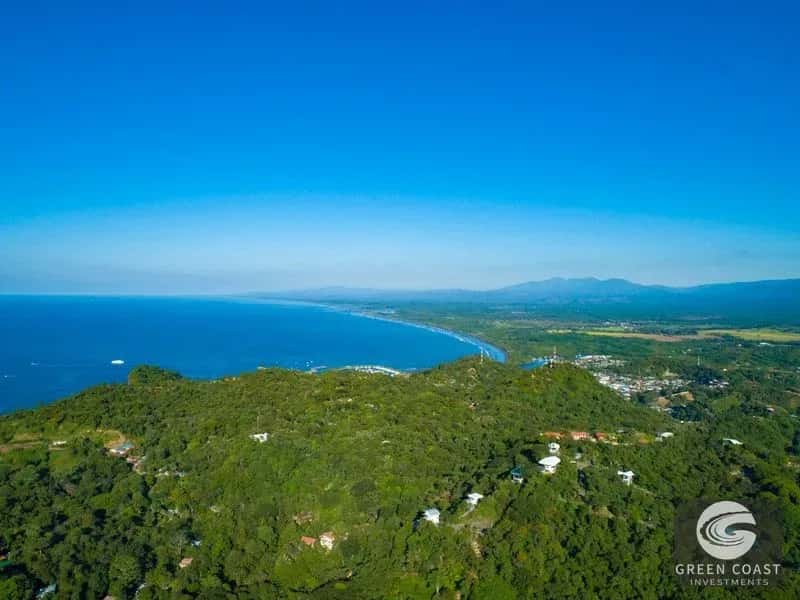
An 84-hectare (207-acre) parcel near Manuel Antonio represents an institutional-grade land acquisition within the Central Pacific real estate market. In our years on this coast, we have seen the Quepos and Manuel Antonio area evolve into a tightly held market that currently features 188 active listings. These properties range from $48,600 for small infill parcels up to $12,500,000 for primary commercial assets, with an overall average price of $1,396,335. Institutional developers, family offices, and private equity target tracts of this scale for eco-luxury master-planned communities, resort compounds, or long-term land banking.
If you plan to buy property Manuel Antonio Costa Rica at this scale, success requires a structured approach. You must address municipal zoning under the Quepos Plan Regulador, environmental viability permits through SETENA, and water concessions through MINAE or local water boards. This guide details the regulatory frameworks, capital cost structures, entitlement timelines, and market metrics necessary to acquire and develop large-scale land in Manuel Antonio.
---
Market Positioning and Target Investor Profiles
Current Manuel Antonio Real Estate Market Landscape
The Quepos and Manuel Antonio micro-markets are defined by geographic supply constraints and high demand for large acreage. Live market inventory displays specific price and volume distributions across property classes:
| Market Metric | Live Inventory Value (USD) |
| :--- | :--- |
| Active Regional Listings | 188 properties |
| Minimum Listing Price | $48,600 |
| Maximum Listing Price | $12,500,000 |
| Average Listing Price | $1,396,335 |
Because the average regional listing sits near $1.4 million, an 84-hectare tract occupies the highest tier of market inventory. Large titled land tracts located near Manuel Antonio National Park are limited. This scarcity drives demand among international buyers seeking capital preservation, long-term asset appreciation, or multi-phase residential-resort execution.
Target Investor Profile and Acquisition Criteria
Large-scale land acquisitions in this corridor target accredited North American and international entities structured for high-ticket cross-border transactions:
Master-Plan Developers:* Groups seeking contiguous land to subdivide into gated residential communities, wellness resorts, or mixed-use eco-projects.
Family Offices & Private Equity Funds:* Institutional capital seeking tangible real estate in a jurisdiction with established tourism infrastructure and predictable hospitality returns.
High-Net-Worth Individuals:* Buyers purchasing expansive parcels for private family compounds, low-density conservation reserves, or multi-year land-banking strategies.
Portfolio Integration: Portfolio Suitability Criteria
Acquiring an 84-hectare parcel requires matching your investment horizon with either horizontal infrastructure development or long-term land holding. Looking at benchmark listings like this 84-Hectare Ocean-View Development Land in Manuel Antonio priced at $6,800,000 illustrates the capital commitment required for this asset class. Across the 188 active listings in the region—where prices average $1,396,335—large development tracts function quite differently than single-family homes or infill lots.
```
┌─────────────────────────────────────────┐
│ 84-HECTARE LAND ACQUISITION MODEL │
└────────────────────┬────────────────────┘
│
┌────────────────────────┴────────────────────────┐
▼ ▼
┌───────────────────────────────────┐ ┌───────────────────────────────────┐
│ BOUTIQUE HOSPITALITY MODEL │ │ RESIDENTIAL MASTER-PLAN MODEL │
├───────────────────────────────────┤ ├───────────────────────────────────┤
│ • Footprint: 2 to 10 Hectares │ │ • Footprint: 50+ Hectares │
│ • Focus: Eco-lodge / Resort │ │ • Focus: Phased Subdivisions │
│ • Excess Acreage: Conservation │ │ • Yield: Multi-inventory Density │
└───────────────────────────────────┘ └───────────────────────────────────┘
```
Developer Strategy: Boutique Hospitality vs. Master-Plan Projects
Boutique hotel developers typically utilize 2 to 10 hectares for physical resort structures. Acquiring 84 hectares allows a hotel operator to retain tens of hectares as a private reserve, protecting natural habitat, ocean view sheds, and guest exclusivity.
Residential master-plan builders require 50+ hectares to distribute horizontal infrastructure costs across multiple inventory types, including single-family ocean-view lots, multi-family units, and shared amenities, while complying with local coverage limitations.
Risk Profiles: Land Banking vs. Horizontal Infrastructure Development
Land banking relies on holding un-subdivided land as an asset-allocation strategy driven by supply scarcity near Manuel Antonio. Lower ongoing operational costs mitigate immediate market risk, though capital remains illiquid until surrounding municipal infrastructure advances or you decide to re-sell the parcel.
Horizontal infrastructure development entails direct capital expenditure for internal roads, storm drainage, power extension, and water distribution. Civil engineering requires capital, but creates liquidity by enabling single-lot sales or phased sub-zone sales.
---
Regulatory Framework: Zoning, SETENA, and Water Rights
!84-Hectare Ocean-View Development Land in Manuel Antonio — view 1, Manuel Antonio, Costa Rica
Developing large land parcels in Costa Rica requires approvals from three primary state entities: the Municipality of Quepos (zoning and building permits), the Secretaría Técnica Nacional Ambiental (SETENA, environmental compliance), and the Ministry of Environment and Energy (MINAE, water rights).
```
┌──────────────────────────────────────────────┐
│ COSTA RICA REGULATORY ENTITLEMENTS │
└──────────────────────┬───────────────────────┘
│
┌──────────────────────────────────────┼──────────────────────────────────────┐
▼ ▼ ▼
┌──────────────────────────┐ ┌──────────────────────────┐ ┌──────────────────────────┐
│ QUEPOS MUNICIPALITY │ │ SETENA AGENCY │ │ MINAE / LOCAL ASADA │
├──────────────────────────┤ ├──────────────────────────┤ ├──────────────────────────┤
│ • Uso de Suelo │ │ • Viabilidad Ambiental │ │ • Water Availability │
│ • Building Footprints │ │ • EIA Studies (D1) │ │ • Concession Concurrence │
│ • Plan Regulador Caps │ │ • Setback Mapping │ │ • Aquifer Yield Tests │
└──────────────────────────┘ └──────────────────────────┘ └──────────────────────────┘
```
Buyers evaluating regional properties should take time to explore the Quepos and Manuel Antonio area to understand specific infrastructure constraints before closing.
Quepos Municipal Plan Regulador and Local Entitlements
The Plan Regulador (Zoning Plan) enforced by the Quepos Municipality governs land coverage ratios, floor-area ratios (FAR), and building heights. For an 84-hectare tract, developers must request a Land Use Certificate (Uso de Suelo) for each proposed section. The Uso de Suelo identifies:
* Permitted land uses (residential, commercial, agricultural, eco-tourism).
* Maximum buildable footprint coverage percentages.
* Road setback requirements and access easement classifications.
SETENA Environmental Viabilidad Assessment
Land development over 10 hectares requires a formal Environmental Impact Assessment (EIA) administered by SETENA.
A certified environmental consultant (consultor ambiental) must execute geological surveys, flora and fauna assessments, hydrology reviews, and slope hazard evaluations. Obtaining a SETENA Viabilidad Ambiental (Environmental Clearance) for large parcels generally takes 6 to 14 months. Forested areas, primary canopy zones, and land within 15 meters of natural watercourses (50 meters around natural springs) are protected from earthmoving and grading by federal law.
MINAE and ASADA Water Concession Metrics
Legal water supply requires approval via local water management boards (ASADAs) or direct surface/well water extraction concessions through MINAE’s Water Department (Dirección de Agua).
If connecting to local infrastructure, developers must obtain a formal Water Availability Letter (Carta de Capacidad Hídrica). If the master plan relies on on-site wells or surface stream extraction, developers must submit hydrological pump tests proving sustainable yield (liters per second) during peak dry season months (January through April) without impacting adjacent watersheds.
Municipal Zoning Restrictions in the Quepos Canton
In eco-sensitive coastal zones within Quepos, maximum buildable land footprints (cobertura máxima) typically range between 15% and 30% of total site area. This requires 70% to 85% of the parcel to remain open green space, preserved forest, or non-structural land.
```
┌────────────────────────────────────────────────────────┐
│ TYPICAL ECO-ZONING SITE COVERAGE (84-HA TRACT) │
└───────────────────────────┬────────────────────────────┘
│
┌─────────────────────┴─────────────────────┐
▼ ▼
┌───────────────────────────┐ ┌───────────────────────────┐
│ BUILDABLE FOOTPRINT: 15-30%│ │ GREEN SPACE RETENTION: │
│ (12.6 to 25.2 Hectares) │ │ 70-85% (58.8-71.4 Ha) │
└───────────────────────────┘ └───────────────────────────┘
```
Structural Height and Topographical Setbacks
Residential and forest-adjacent zones cap building heights at two to three stories (9 to 12 meters) to prevent structures from exceeding the forest canopy. Slopes exceeding a 30% gradient require structural engineering plans and specialized SETENA soil stabilization clearance, while slopes exceeding 45% are classified as non-buildable retention zones.
Agricultural vs. Commercial Zoning Frameworks
An agricultural designation (Uso Agrícola) enforces a maximum land coverage ratio of 15%. Building approvals are restricted to primary residential homes, agricultural structures, or eco-lodges. Converting agricultural designations to commercial master-plan usage requires a formal zoning adjustment approved by both SETENA and the Quepos Municipality.
A commercial and tourism designation (Uso Comercial / Turístico) permits increased site coverage, multi-story hospitality projects, and flexible commercial subdivisions, subject to advanced wastewater treatment plant (STP) engineering approvals.
---
Capital Outlays, Infrastructure, and Holding Costs
!84-Hectare Ocean-View Development Land in Manuel Antonio — view 2, Manuel Antonio, Costa Rica
Acquiring an 84-hectare property involves allocating capital across initial legal acquisition fees, soft entitlement expenses, horizontal infrastructure execution, and annual holding liabilities.
```
┌─────────────────────────────────────────┐
│ TOTAL CAPITAL ALLOCATION MODEL │
└────────────────────┬────────────────────┘
│
┌──────────────────────────────────────┼──────────────────────────────────────┐
▼ ▼ ▼
┌──────────────────────────┐ ┌──────────────────────────┐ ┌──────────────────────────┐
│ ACQUISITION COSTS │ │ INFRASTRUCTURE COSTS │ │ ANNUAL HOLDING COSTS │
├──────────────────────────┤ ├──────────────────────────┤ ├──────────────────────────┤
│ • Transfer Tax: 1.5% │ │ • ICE Power: $25k-$40k/km│ │ • Property Tax: 0.25% │
│ • Legal/Notary: 1.0-1.5% │ │ • Paved Roads: $120-$220/m│ │ • Entity Filing: ~$2,000 │
│ • Closing Stamps: ~1.0% │ │ • Soft Costs: $150k-$350k│ │ • Luxury Tax: Variable │
└──────────────────────────┘ └──────────────────────────┘ └──────────────────────────┘
```
Transaction Cost Schedule
Closing on real estate in Costa Rica requires statutory fees calculated directly off the higher of the declared transaction price or registered fiscal value:
| Fee Category | Statutory Percentage / Amount | Entity Responsible / Recipient |
| :--- | :--- | :--- |
| Property Transfer Tax | 1.5% of purchase price | National Registry (Registro Nacional) |
| Notary & Legal Closing Fees | 1.0% to 1.5% of purchase price | Closing Legal Counsel / Escrow Agent |
| Registry & Bar Stamps | ~0.8% to 1.0% of purchase price | Costa Rican Government Stamps |
| Escrow Administration Fees | 0.2% to 0.5% (flat schedules apply) | SUGEF-Regulated Escrow Agent |
| Initial Soft Costs (EIA/Surveys)| $150,000 to $350,000 | Engineering, Legal & Survey Firms |
Infrastructure Installation Cost Allocations
Developing raw acreage near Manuel Antonio involves bringing civil infrastructure through variable topography.
Power Grid Extension (ICE Standards)
Connecting to primary power managed by the Instituto Costarricense de Electricidad (ICE) requires high-voltage lines, concrete poles, step-down transformers, and metering infrastructure. Three-phase power extension costs run between $25,000 and $40,000 per linear kilometer.
Internal Access Roads and Drainage Structures
Heavy coastal rainfall requires engineered road infrastructure. Unpaved dirt roads deteriorate during the rainy season from May through November. Grading, laying compacted sub-base, pouring concrete or paving internal roads, and installing deep concrete storm culverts require a capital outlay of $120 to $220 per linear meter.
Annual Land Holding Expenses
Municipal property tax (Impuesto Territorial) is fixed at 0.25% per year of the registered fiscal value paid to the Quepos Municipality.
Holding real estate in a Costa Rican entity (Sociedad Anónima or S.R.L.) incurs approximately $1,000 to $2,000 annually covering corporate tax (impuesto a las sociedades), Resident Agent fees, and mandatory Transparency and Final Beneficiary Register (RTBF) filings.
The luxury tax (Impuesto a las Casas de Lujo) applies solely to finished residential structures that exceed statutory construction cost thresholds; raw land parcel holdings remain exempt.
---
Master Development Timeline: Contract to Earthmoving
Bringing an 84-hectare property from initial purchase agreement to site construction takes an average of 18 to 24 months.
```
┌─────────────────────────────────────────┐
│ 24-MONTH ENTITLEMENT TIMELINE │
└────────────────────┬────────────────────┘
│
┌──────────────────────────────────────┼──────────────────────────────────────┐
▼ ▼ ▼
┌──────────────────────────┐ ┌──────────────────────────┐ ┌──────────────────────────┐
│ PHASE 1: DUE DILIGENCE │ │ PHASE 2: ENTITLEMENTS │ │ PHASE 3: SITE WORKS │
│ (Months 1 to 2) │ │ (Months 3 to 14) │ │ (Months 15 to 24) │
├──────────────────────────┤ ├──────────────────────────┤ ├──────────────────────────┤
│ • Registry Title Search │ │ • SETENA EIA Review (D1) │ │ • CFIA Architectural Plan│
│ • Boundary Survey Verification │ │ • ASADA Availability │ │ • Final Grading Permits │
│ • Initial Topography Check│ │ • Zoning Master Design │ │ • Road/Utility Execution │
└──────────────────────────┘ └──────────────────────────┘ └──────────────────────────┘
```
Phase 1: Due Diligence and Title Search (30–60 Days)
Legal counsel verifies title status through the Registro Nacional following contract execution. This process confirms unencumbered ownership, free of undisclosed mortgages, judicial liens, or third-party rights-of-way. Precision GPS surveys match physical property corners against the official registered map (plano catastrado).
Phase 2: Master Planning and SETENA Approvals (6–14 Months)
You will file environmental documentation (EsIA or Form D1) with SETENA to secure the Viabilidad Ambiental. Simultaneously, your team secures written water and power availability confirmations from local ASADAs and ICE while mapping roads, buildable envelopes, and conservation buffers to match municipal zoning criteria.
Phase 3: Civil Infrastructure Execution and Construction Permits (12–18 Months)
Professional engineering and architectural plans are submitted to the Colegio Federado de Ingenieros y de Arquitectos (CFIA) via the digital Administrador de Proyectos de Construcción (APC) platform. Once complete, you request final earthmoving and construction permits from the Quepos Municipality and register individual lot maps (planos catastrados de fraccionamiento) with the National Registry.
---
Site Selection and Physical Due Diligence Checklist
When evaluating an 84-hectare property near Manuel Antonio, physical site metrics directly impact master-plan efficiency and civil infrastructure costs.
```
┌─────────────────────────────────────────┐
│ PHYSICAL DUE DILIGENCE ASSIGNMENTS │
└────────────────────┬────────────────────┘
│
┌──────────────────────────────────────┼──────────────────────────────────────┐
▼ ▼ ▼
┌──────────────────────────┐ ┌──────────────────────────┐ ┌──────────────────────────┐
│ TOPOGRAPHY & HYDROLOGY │ │ SOIL & CIVIL INTEGRITY │ │ ACCESS & UTILITIES │
├──────────────────────────┤ ├──────────────────────────┤ ├──────────────────────────┤
│ • LiDAR Elevation Models │ │ • Stream Setback Maps │ │ • Public Road Frontage │
│ • Ridge Ocean-View Lines │ │ • Soil Infiltration Tests│ │ • Transmission Line Dist.│
└──────────────────────────┘ └──────────────────────────┘ └──────────────────────────┘
```
Topography and Slope Analysis
Large coastal tracts feature terrain ranging from flat valley floors to elevated ridges. Running a high-resolution LiDAR drone survey provides exact contour maps, exposing actual buildable ridge space versus steep ravines. Mapping ocean-view lines along primary ridges ensures that future construction phases do not block secondary lot views.
Civil Infrastructure Due Diligence Matrix
| Physical Asset | Verification Metric | Risk Factor |
| :--- | :--- | :--- |
| Public Road Access | Direct access to dedicated municipal or national road | Private easement dependency without municipal maintenance |
| Soil Stability | Standard penetration test (SPT) and percolation tests | Unstable clay soils increasing foundation engineering costs |
| Natural Water Sources | On-site spring and stream registration with MINAE | Unregistered water sources restricting commercial usage |
| Forest Canopy Coverage | Primary vs. secondary forest determination | Protected primary forest prohibiting clearing or grading |
---
Comparative Investment Analysis: Land Banking vs. Active Subdivision
When looking to buy property Manuel Antonio Costa Rica at an institutional scale, you must establish an operational capital model aligned with target yield expectations and risk tolerance.
```
┌─────────────────────────────────────────┐
│ DEVELOPMENT MODEL COMPARISON │
└────────────────────┬────────────────────┘
│
┌──────────────────────────────────────┴──────────────────────────────┐
▼ ▼
┌─────────────────────────────────────────┐ ┌─────────────────────────────────────────┐
│ LAND BANKING STRATEGY (PASSIVE) │ │ SUBDIVISION / RESORT (ACTIVE) │
├─────────────────────────────────────────┤ ├─────────────────────────────────────────┤
│ • Low Holding Overhead (0.25% Tax) │ │ • High Upfront Infrastructure Capital │
│ • Strategic Supply Scarcity Play │ │ • Multi-Stage Lot / Villa Inventory │
│ • Illiquid Until Re-Sale Event │ │ • Accelerated Liquidity via Pre-Sales │
│ • Minimal Operational Oversight │ │ • Active SETENA & CFIA Regulatory Load │
└─────────────────────────────────────────┘ └─────────────────────────────────────────┘
```
Model A: Passive Land Banking
Land banking requires low upfront soft and hard infrastructure costs. Operational expenses are limited to municipal property tax (0.25%) and corporate entity maintenance. Your exit strategy centers on selling the complete parcel to a master-plan developer after surrounding infrastructure improvements increase land values along the Quepos-Manuel Antonio corridor.
Model B: Phased Subdivision and Horizontal Infrastructure
Active development carries high initial capital expenditures ($150,000–$350,000 soft costs + $120–$220/meter for paved roads and drainage). It requires active engineering management, SETENA monitoring, CFIA fees, and ongoing marketing execution.
The exit strategy relies on selling individual ocean-view lots, villas, or parcel clusters. This accelerates return on invested capital while retaining excess non-buildable forest reserve land.
---
Action Plan for Institutional Land Acquisitions
Executing a large-scale land purchase in Manuel Antonio requires following a structured sequence to control capital allocation and mitigate legal and regulatory risks.
```
┌────────────────────────────────────────────────────────────────────────────────────────┐
│ ACQUISITION AND EXECUTION PLAYBOOK │
└────────────────────────────────────────────────┬───────────────────────────────────────┘
│
1. ADVISORY TEAM ASSEMBLY │ Select Real Estate Counsel, Surveyor,
│ and Environmental Consultant
▼
2. LETTER OF INTENT (LOI) FORMALIZATION │ Set Purchase Price, Escrow Conditions,
│ and Due Diligence Timelines
▼
3. PHYSICAL & LEGAL SURVEY DUE DILIGENCE │ Execute Registry Searches, GPS Boundary
│ Verification, and LiDAR Mapping
▼
4. REGULATORY PRE-FEASIBILITY AUDIT │ Confirm Uso de Suelo, Water Letters,
│ and Preliminary SETENA Categorization
▼
5. ESCROW CLOSING AND TITLE TRANSFER │ Transfer Funds via Regulated Escrow
│ and Register Title Deed
▼
6. ENTITLEMENT & INFRASTRUCTURE BUILD │ Execute SETENA EIA, CFIA Architectural
│ Filings, and Horizontal Road Works
```
Step 1: Form Local Legal and Technical Representation
Retain local legal counsel, a licensed surveyor (topógrafo), and a SETENA-certified environmental consultant before submitting formal offers. Legal counsel manages escrow arrangements via a SUGEF-regulated platform.
Step 2: Negotiate the Sale and Purchase Agreement (SPA)
Draft the SPA to include conditional due diligence clauses covering boundary verification against official cadastral maps, municipal Uso de Suelo confirmations, and verified water access rights.
Step 3: Conduct On-Site Technical Audits
Perform high-precision GPS boundary checks to rule out land encroachments. Run percolation and soil stability tests across buildable ridges, and review protected watercourse buffers to establish true buildable acreage.
Step 4: Execute Closing and Begin Master-Plan Permitting
Upon closing, register the title deed at the Registro Nacional, initiate environmental impact filings through SETENA, and submit civil engineering designs to the CFIA to start site development.