
Región
Propiedades en Guanacaste (Tamarindo, Flamingo, Nosara), Costa Rica
Guanacaste has long been the crown jewel of Costa Rica's international real estate market, drawing North American buyers with its reliable sunshine, world-class beaches, and well-established expat infrastructure.
 Vista al océano
 Vista al océano
 Vista al océano
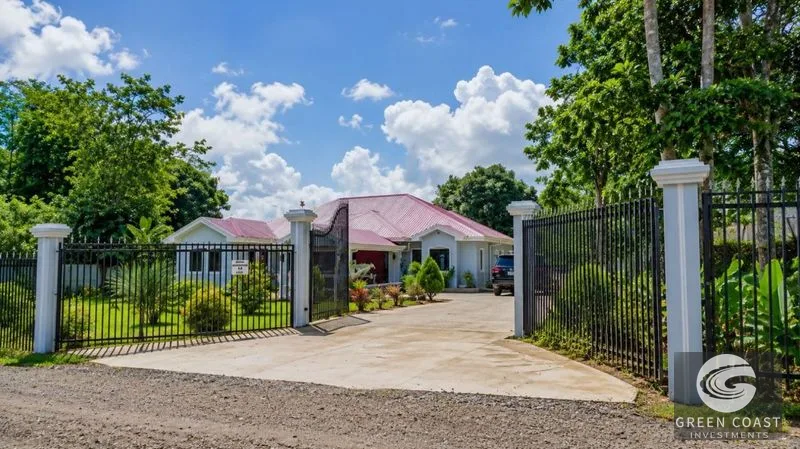 Piscina
About Guanacaste
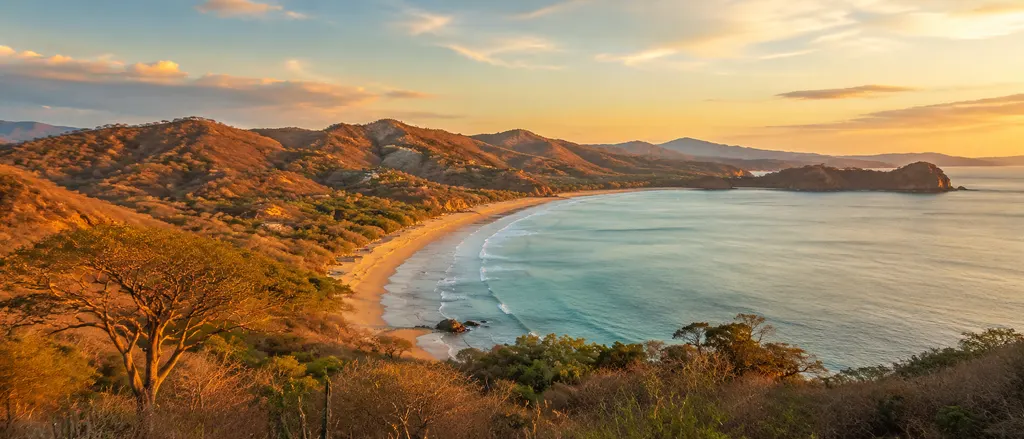
Guanacaste Province encompasses Costa Rica's entire northwestern Pacific coast, a landscape defined by golden beaches, dry tropical forests, and the volcanic peaks of the Cordillera de Guanacaste. Unlike the country's rainforest-clad Caribbean and southern Pacific zones, Guanacaste experiences a pronounced dry season—locally called verano (summer)—when the landscape turns golden and rainfall virtually ceases for four to five months. This climatic reliability has made the region Costa Rica's tourism powerhouse and, by extension, its most liquid real estate market.
The province's geography ranges from the cattle ranches and savannas of the interior—where Guanacaste's sabanero (cowboy) culture remains vibrant—to dozens of beaches and coves along roughly 400 kilometers of Pacific coastline. Major beach communities run north to south: Papagayo Peninsula and Playa Panamá near the Nicaraguan border; the Flamingo-Potrero-Brasilito corridor; surf-centric Tamarindo and neighboring Playa Grande; the emerging Avellanas-Junquillal stretch; and southern Guanacaste's Nosara, Sámara, and the more remote beaches approaching the Nicoya Peninsula's tip.
Liberia, the provincial capital known as the 'White City,' sits about 45 minutes inland from most northern beach communities. Liberia International Airport (LIR) has transformed regional accessibility since its modernization, now handling direct flights from Atlanta, Dallas, Houston, Los Angeles, Miami, Newark, Toronto, Calgary, and seasonal routes from numerous other North American cities. Drive times from the airport range from 20 minutes to Papagayo, 60-75 minutes to Tamarindo, and up to two hours for southern beaches like Nosara. San José, the national capital, lies 200-250 kilometers away depending on your coastal destination—a four to five-hour drive that most international buyers avoid by flying directly to Liberia.
Infrastructure has improved dramatically over two decades, though it remains variable. The coastal highway connecting northern beaches has been upgraded in sections, while some beach access roads still challenge low-clearance vehicles during rainy season. High-speed fiber internet now reaches most established communities. Electricity and water services are generally reliable in developed areas, though some remote properties rely on wells and backup generators. This infrastructure gradient means location research is essential—coastal Guanacaste spans everything from fully-serviced resort communities to off-grid jungle parcels.
Real Estate in Guanacaste
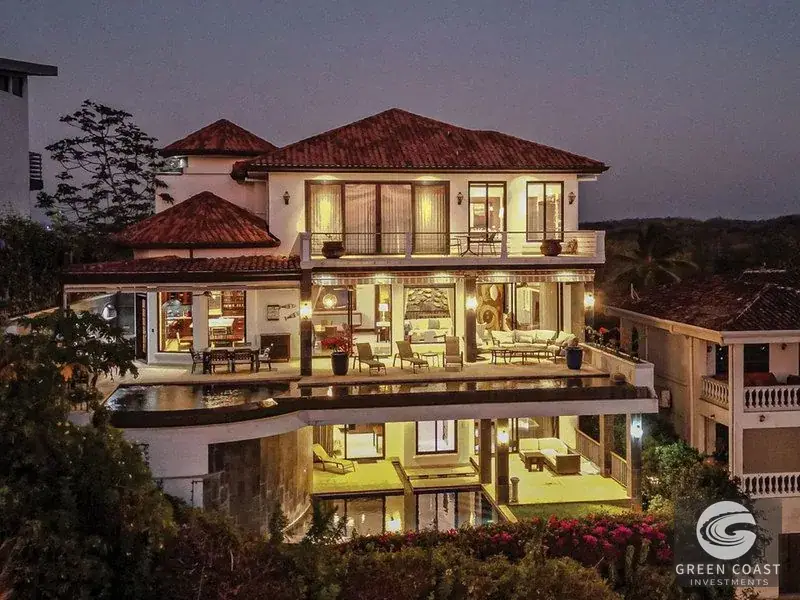
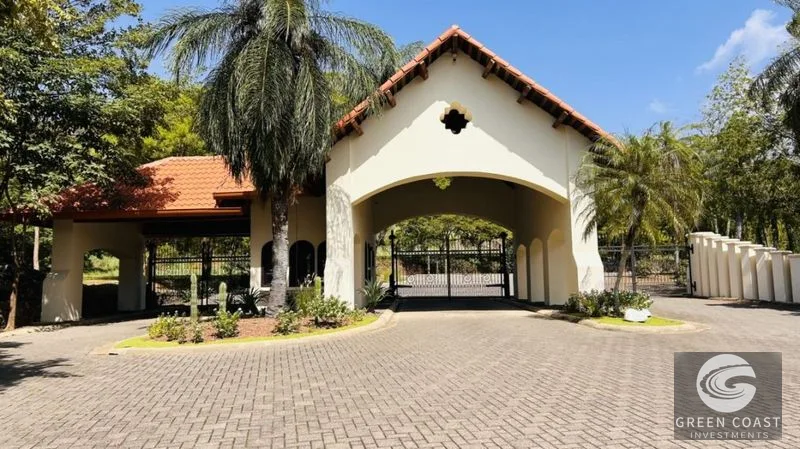
Guanacaste's real estate market is Costa Rica's most diverse and mature, offering everything from beachfront condominiums in managed communities to expansive ocean-view estates, golf villas, and development land. The region accounts for the majority of luxury transactions in the country, with property types and price points that span an enormous range. Beachfront condos in established projects like Reserva Conchal, Hacienda Pinilla, or Tamarindo's gated communities typically start around $400,000-$500,000 for two-bedroom units, reaching $1-2 million or more for penthouses and direct beach access. Ocean-view homes in communities with amenities—pools, beach clubs, golf—generally range from $600,000 to $3 million depending on size, finishes, and proximity to sand.
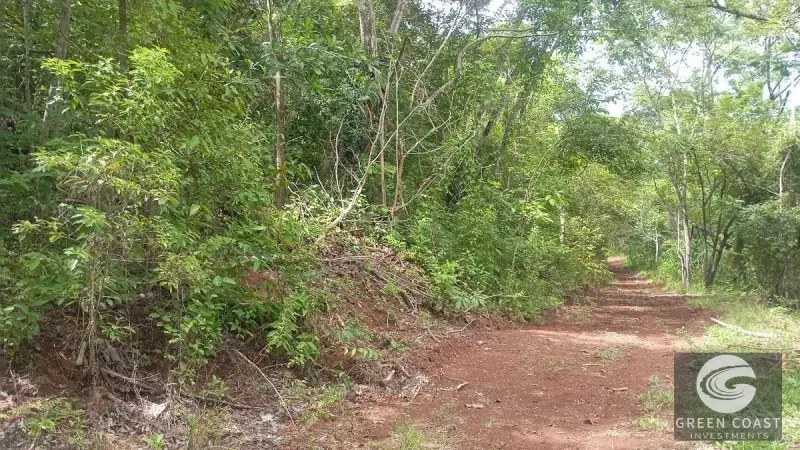
Standalone luxury villas, particularly those with significant acreage, direct beach access, or positions in ultra-premium enclaves like Península Papagayo or Las Catalinas, command $2-8 million and occasionally exceed $10 million for exceptional estates. The golf-resort communities—Hacienda Pinilla, Reserva Conchal, Guacamaya—offer a distinct product: manicured grounds, club memberships, and homes ranging from $800,000 condos to $4 million+ golf villas. Development parcels vary wildly based on location, ocean views, and infrastructure access, from $100,000 for inland lots to several million for prime beachfront hectares with tourism zoning.
Buyer profiles reflect Guanacaste's maturity: roughly 60-70% North American (US and Canadian), with significant representation from European buyers and Costa Rican nationals purchasing vacation or investment properties. Many buyers are semi-retired or remote professionals seeking primary or secondary residences, though pure investors remain active in rental-focused condo projects and development plays. The market moves in clear cycles tied to North American economic conditions and Costa Rica's evolving regulations, but Guanacaste's depth—multiple sub-markets, diverse price points, established rental demand—provides resilience that smaller regions lack. Working with agents who specialize in specific communities within this vast region is essential, as properties and market dynamics vary dramatically between, say, Tamarindo and Nosara despite both being 'Guanacaste beach towns.'
Why Buy in Guanacaste
Climate certainty tops most buyers' lists. Guanacaste's dry season delivers what many North Americans imagine when they picture tropical paradise: consistent sunshine, low humidity, warm days and pleasant evenings from December through April. This isn't the daily afternoon downpour pattern of Costa Rica's Caribbean or southern zones—it's genuinely dry, making outdoor living, golf, and beach activities reliably enjoyable during peak season. Even the 'green season' (May-November) typically means morning sunshine with afternoon showers rather than all-day rain, and the landscape's transformation to lush green offers its own appeal at lower prices and fewer crowds.
Established infrastructure and community provide comfort that pioneering buyers value. Guanacaste offers international schools (Country Day School, La Paz), quality medical care (private hospitals in Liberia, clinics in beach towns, air-ambulance access), familiar retail (AutoMercado, PriceSmart), and restaurant scenes that blend Tico tradition with international cuisine. The sizable English-speaking expat populations mean you'll find book clubs, charitable organizations, golf leagues, and social networks—the soft infrastructure that eases cultural transition. This isn't for everyone—some buyers specifically seek Costa Rica's less-developed regions—but for those wanting convenience alongside adventure, Guanacaste delivers.
Rental income potential and exit liquidity make Guanacaste attractive from an investment perspective. The region's tourism infrastructure supports short-term vacation rental markets in most beach communities, with high-season occupancy often reaching 70-90% for well-managed, properly-positioned properties. Annual gross rental yields of 5-8% are achievable for condos and homes in prime locations, though management costs and Costa Rica's tax structure require careful analysis. Perhaps more importantly, Guanacaste's market depth means properties here typically sell faster and with less price negotiation than comparable homes in emerging regions—a consideration for buyers who value eventual exit options alongside lifestyle enjoyment.
Expat Life in Guanacaste
Guanacaste hosts Costa Rica's largest and most diverse expat communities, ranging from Tamarindo's young surf-and-digital-nomad scene to Flamingo's established retiree population to Nosara's wellness-focused international residents. English is widely spoken in tourist zones and expat-heavy towns—you'll navigate restaurants, real estate offices, and many service providers entirely in English, though learning Spanish remains valuable for deeper integration and accessing better pricing on services. The expat social fabric includes everything from casual beach meetups to formal organizations: newcomer orientation groups, women's networks, Rotary clubs, environmental initiatives, and special-interest communities around golf, fishing, surfing, or yoga depending on your town.
Local integration varies by community and individual effort. Some expats live primarily within English-speaking bubbles, while others embrace Spanish language learning and Tico friendships. Guanacaste's culture blends sabanero (cowboy) traditions—you'll encounter rodeos, horseback culture, and cattle ranches—with coastal fishing heritage and, increasingly, tourism-driven cosmopolitanism. The region's larger towns host traditional festivals, farmers markets, and cultural events where expats and Ticos mingle naturally. Most longtime residents report that genuine respect for local culture, patience with bureaucratic differences, and willingness to adapt to 'Tico time' are essential for satisfaction. The density of expat population means you'll easily find your tribe, but it also means Guanacaste feels less 'undiscovered' than Costa Rica's emerging regions—a trade-off between convenience and pioneering authenticity.
Practical Information
Access and transportation: Liberia International Airport (LIR) provides the primary gateway, with 15-20 daily international flights during high season and reduced but consistent service year-round. Rental cars are essential for most beach communities, as public transportation, while available, runs infrequently and doesn't serve many residential areas. Most roads to major beaches are paved or well-maintained gravel, though some communities require 4WD, especially during rainy season. San José's international airport (SJO) is an alternative entry point, but the 4-5 hour drive makes it impractical for most Guanacaste buyers. Regional domestic flights connect San José to Tamarindo and Nosara for those without cars.
Healthcare: Liberia offers private hospitals including Hospital San Rafael Arcángel and Hospital Metropolitano, providing quality care for routine needs and many specialties. Beach communities have clinics staffed by general practitioners, some with emergency capabilities. Serious medical situations may require transfer to San José's top-tier private hospitals (CIMA, Clínica Bíblica)—about 3.5 hours by ambulance or accessible via air ambulance services that most international health insurance covers. Many expats maintain relationships with specific doctors in San José for specialized care while handling routine needs locally. Dental and optical services in Guanacaste are excellent and affordable compared to North American pricing.
Services and connectivity: High-speed fiber internet (100+ Mbps) now reaches most established beach communities through providers like Tigo, Kolbi, and others, making remote work feasible. Cell coverage is generally strong in populated areas, though some remote properties have gaps. Banking services are available in larger towns, with ATMs common in tourist areas. Grocery options range from small pulperías (corner stores) to AutoMercado and MegaSuper supermarkets in regional centers—expect to pay 20-40% premiums on imported goods compared to US prices. Domestic help, property management, and construction services are readily available, with quality varying significantly—referrals from established expats are invaluable. The combination of tourism infrastructure and expat density means Guanacaste offers Costa Rica's easiest practical living for North Americans, though costs reflect that convenience.
Preguntas frecuentes
- Is Guanacaste's dry season really that different from the rest of Costa Rica?
Yes, dramatically so. While most of Costa Rica receives rain year-round, Guanacaste's dry season (December-April) brings genuinely arid conditions with weeks of uninterrupted sunshine. Rainfall during these months is minimal—often zero in February and March—creating the reliable beach weather that defines the region's appeal. The Caribbean and southern Pacific zones experience rain throughout the year, making Guanacaste unique for buyers prioritizing predictable sunshine during North American winter.
- Which Guanacaste beach town is right for me?
It depends entirely on your lifestyle priorities. Tamarindo offers the most services, dining, and social activity but feels crowded and commercial. Flamingo-Potrero provides established expat community with a quieter vibe and marina access. Nosara attracts wellness-focused buyers with yoga, nature, and intentional community but limited nightlife. Papagayo and Reserva Conchal deliver luxury resort living with premium pricing. Most buyers visit multiple communities before deciding, as the differences in character are substantial despite geographic proximity.
- Can I generate meaningful rental income from a Guanacaste property?
Potentially, but it requires the right property, professional management, and realistic expectations. Well-located condos and homes in tourist-favored areas can achieve 60-80% high-season occupancy, generating gross yields of 5-8% annually. However, Costa Rica's 13% tourism tax, property management fees (typically 20-30% of rental income), maintenance, and vacancy periods significantly reduce net returns. Rental income should be viewed as offsetting ownership costs rather than primary investment returns. Properties in oversupplied markets or those requiring significant owner usage will underperform.
- How has Guanacaste's real estate market performed over time?
Guanacaste has experienced clear boom-bust cycles tied to US economic conditions and Costa Rica's regulatory changes. The mid-2000s saw explosive appreciation followed by sharp corrections during the 2008-2010 financial crisis. Recovery has been gradual and uneven—prime beachfront and golf communities have appreciated modestly while secondary locations stagnated. The COVID period brought renewed interest and price increases in certain segments. Long-term holders in quality locations have generally seen appreciation, but this isn't a market for quick flips, and location selection within Guanacaste matters enormously for both appreciation and liquidity.
- What are the biggest mistakes Guanacaste buyers make?
Underestimating the importance of location micro-differences—a property 10 minutes inland from the beach may cost half as much but rent for a fraction and take years longer to sell. Overestimating rental income based on optimistic projections rather than verified comparable performance. Buying without visiting during both dry and rainy seasons to understand seasonal transformation. Failing to budget for higher-than-expected maintenance in tropical coastal environments where salt, humidity, and sun accelerate wear. And purchasing in the first community they visit rather than exploring Guanacaste's diverse options—this region rewards patient, informed buyers who match property to specific lifestyle goals.
Explorar otras regiones
Compare mercados en Costa Rica — cada región tiene su propio carácter y perfil de precios.
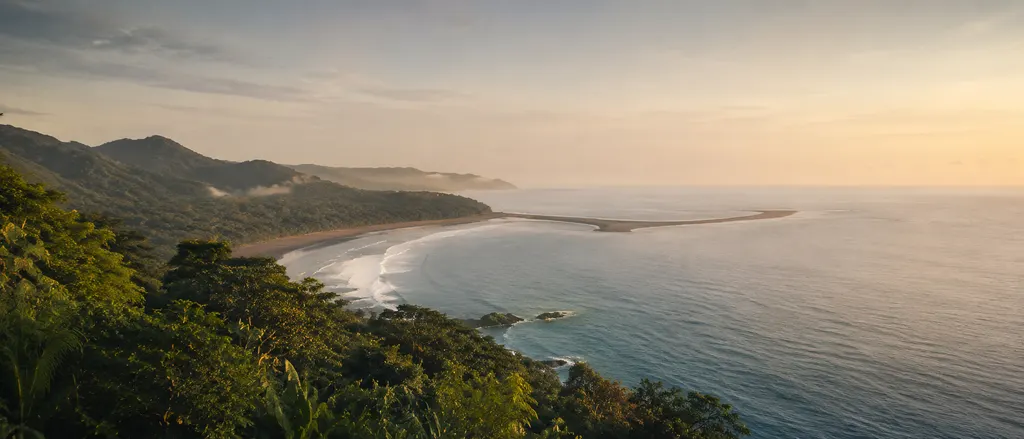
Costa del Pacífico Sur
Propiedades en Uvita y Dominical
Ver propiedades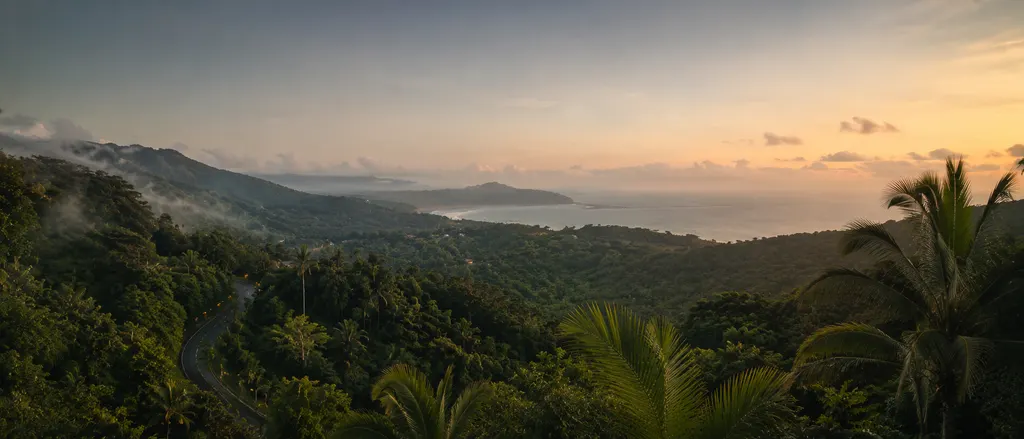
Costa del Pacífico Sur
Propiedades en Ojochal
Ver propiedades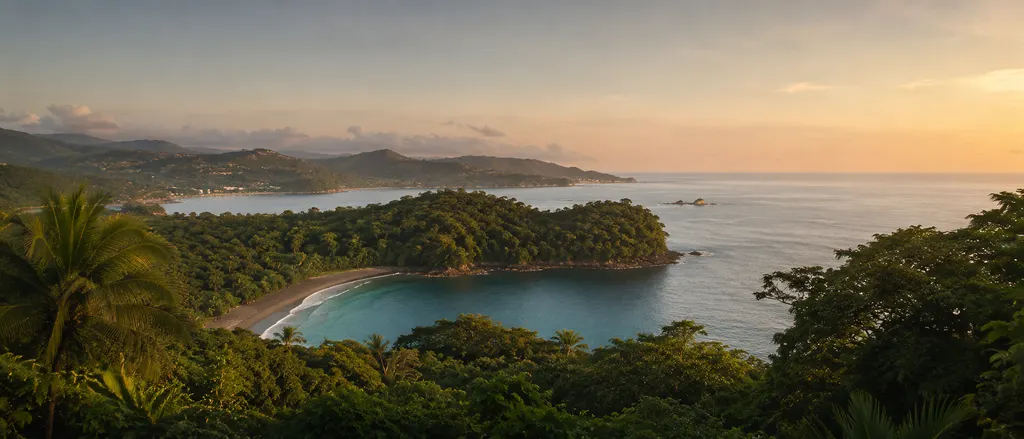
Pacífico Central
Propiedades en Manuel Antonio
Ver propiedades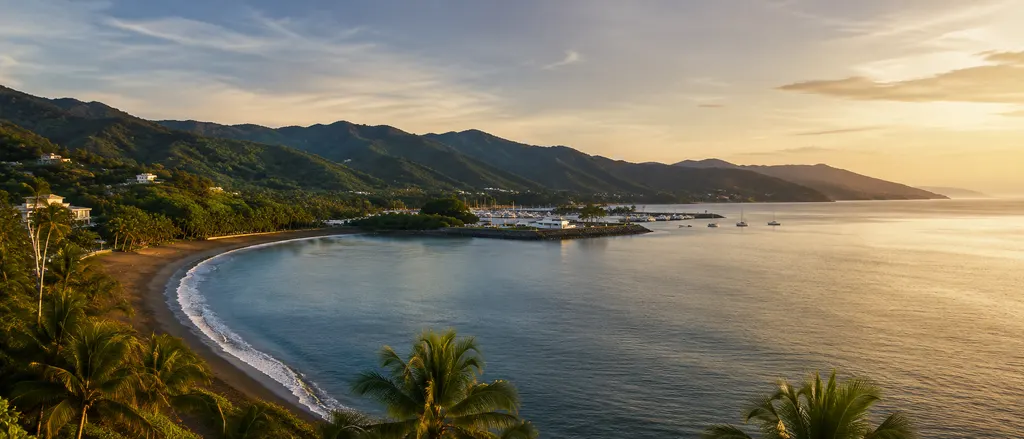
Pacífico Central
Propiedades en Jacó
Ver propiedades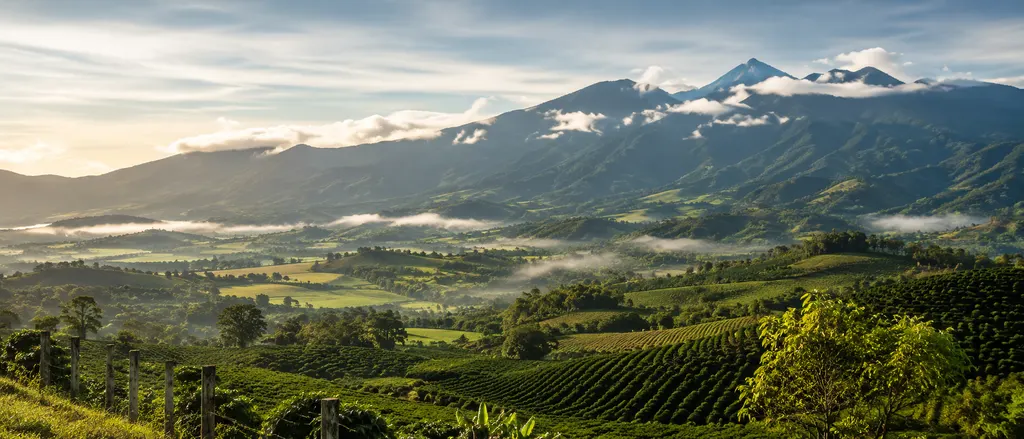
Tierras Altas del Sur
Propiedades en Pérez Zeledón
Ver propiedades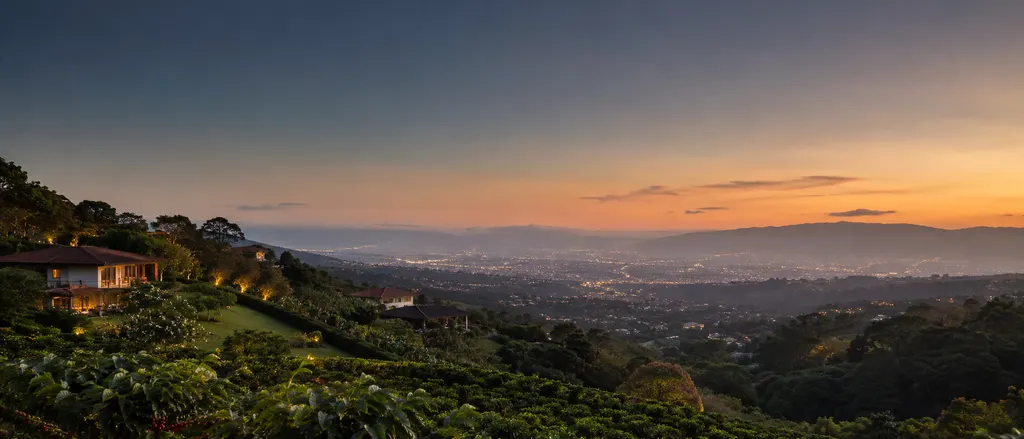
Área Metropolitana
Propiedades en el Valle Central
Ver propiedades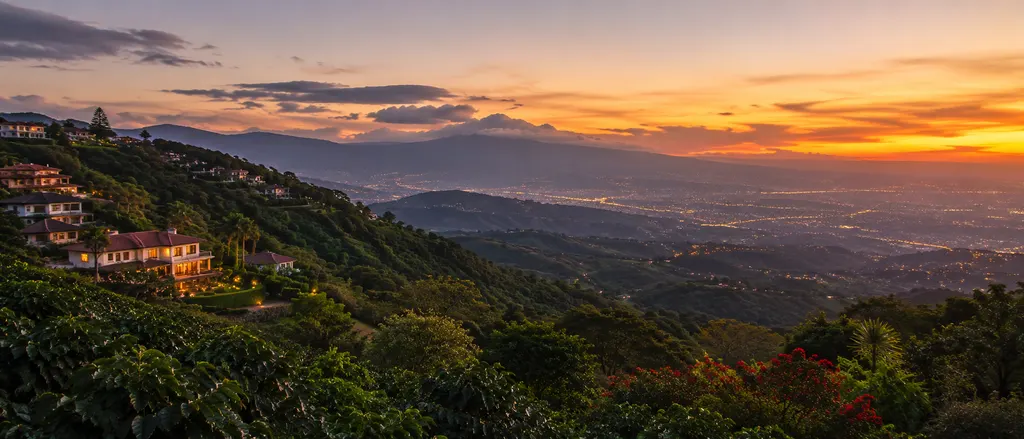
Todo el país
Propiedades en Costa Rica
Ver propiedadesGuanacaste (Tamarindo, Flamingo, Nosara), Costa Rica
¿Buscas en Guanacaste (Tamarindo, Flamingo, Nosara)?
Dry-season sunshine, golf-country estates, and Guanacaste's busiest expat hubs from Tamarindo to Flamingo.
Guanacaste has long been the crown jewel of Costa Rica's international real estate market, drawing North American buyers with its reliable sunshine, world-class beaches, and well-established expat infrastructure. Stretching along the Pacific coast from the Nicoya Peninsula to the Nicaraguan border, this northwestern province offers the country's most predictable weather—a genuine dry season from December through April when rainfall is minimal and blue skies dominate.
- Asesores locales que conocen este mercado
- Propiedades seleccionadas según sus objetivos
- Llamamos en segundos — teléfono obligatorio para el seguimiento