
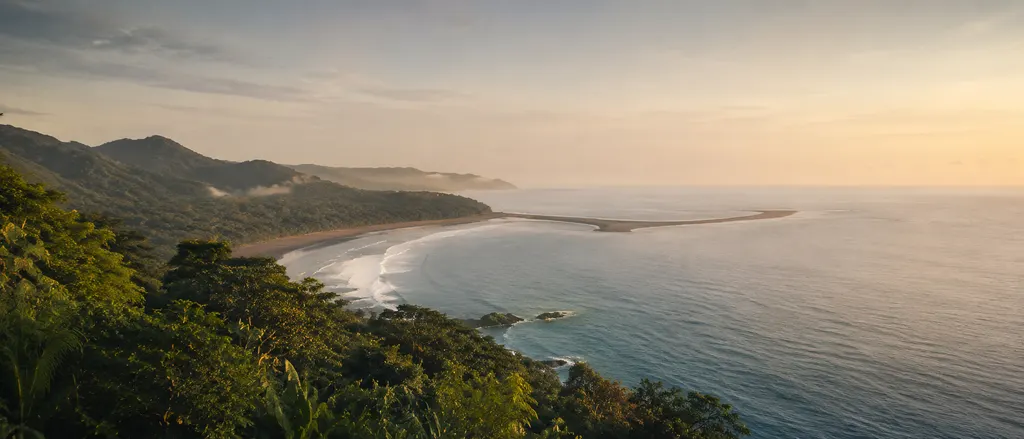
Region
Properties in Dominical / Uvita, Costa Rica
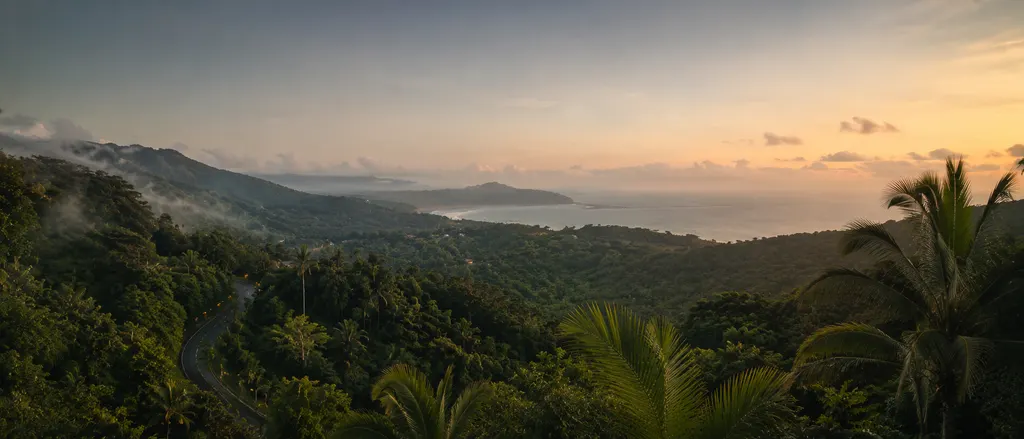
Dominical and Uvita anchor Costa Rica's Costa Ballena—the 'Whale Coast'—a 30-kilometer stretch of Pacific shoreline where jungle-clad mountains plunge directly into the ocean.
Showing 217–240 of 468 properties
 Ocean view
 Ocean view
 Ocean view
 Ocean view
 Ocean view
 Ocean view
 Ocean view
 Pool
Pool Ocean view
 Beachfront
 Pool
Pool Pool
Pool Beachfront
 Ocean view
 Ocean view
 Mountain view
 Mountain view
 Ocean view
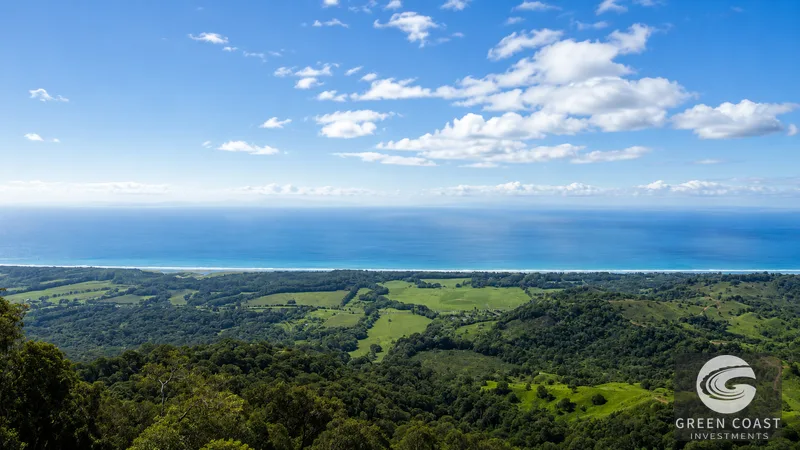 Ocean view
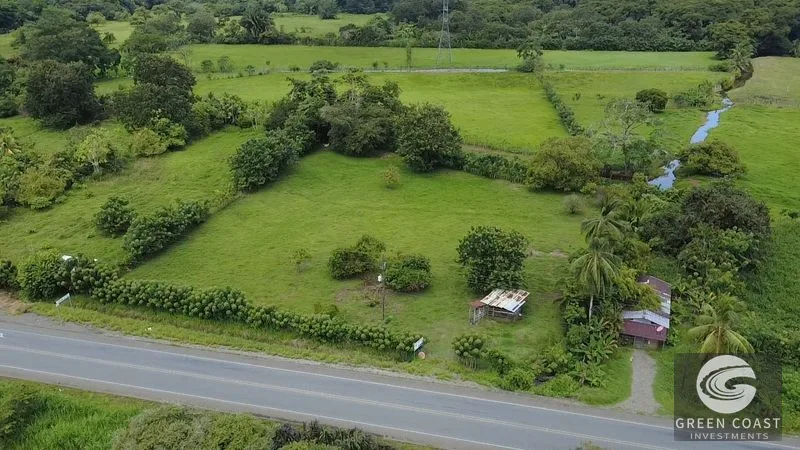 Mountain view
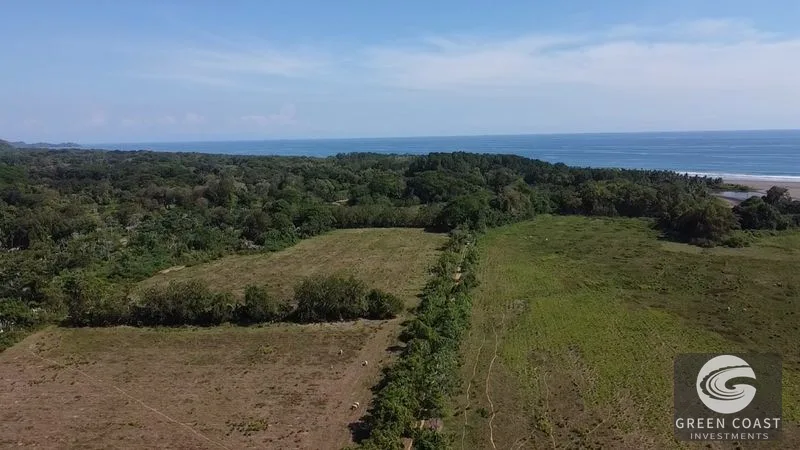 Mountain view
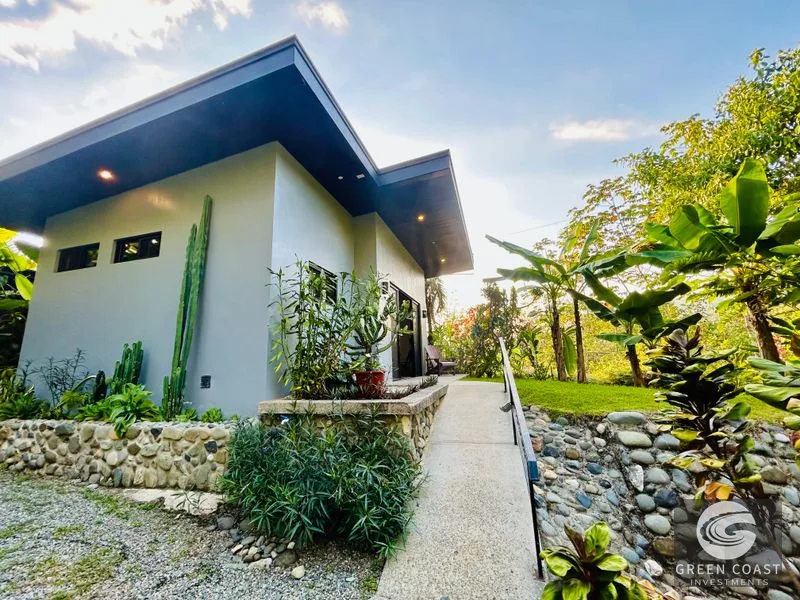 Mountain view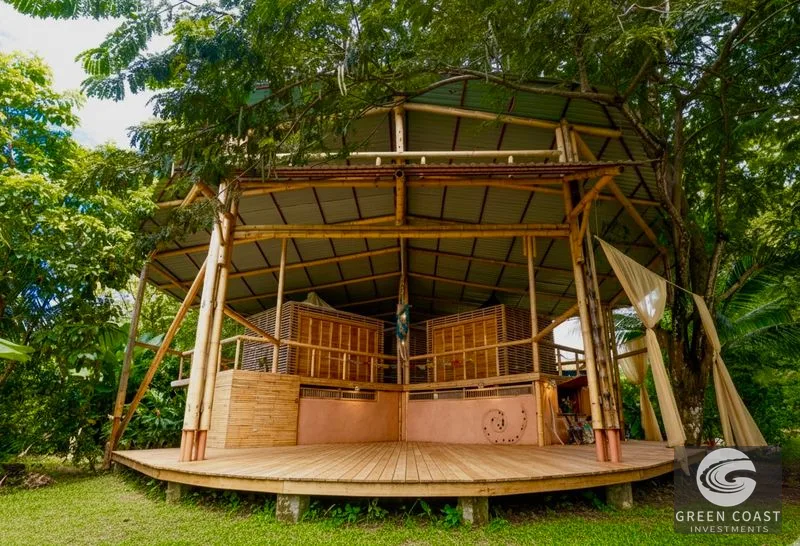
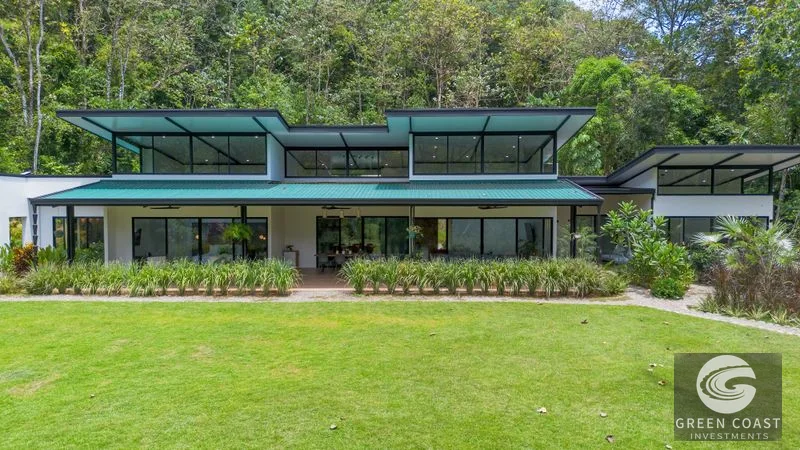 Mountain view
About Dominical & Uvita
Dominical and Uvita sit along Costa Rica's southern Pacific coast in Puntarenas Province, approximately 45 kilometers apart and connected by the scenic Costanera Sur highway. Dominical, the northernmost anchor, is a compact surf village where the Barú River meets the Pacific, creating a dramatic river-mouth break that's been a pilgrimage site for surfers since the 1970s. Uvita, 30 minutes south, serves as the region's commercial hub and gateway to Marino Ballena National Park, famous for its whale-tail sandbar formation visible at low tide. Between and above these coastal towns, the communities of Escaleras, Hatillo, and Lagunas occupy the jungle-covered ridges of the Fila Costeña mountain range, offering sweeping ocean views from elevations of 200 to 800 meters.
The climate is tropical wet, with distinct dry (December through April) and rainy (May through November) seasons, though microclimates vary dramatically with elevation. Coastal areas average 28-32°C year-round with high humidity, while mountain properties enjoy cooler temperatures and afternoon breezes. Annual rainfall ranges from 3,500mm at sea level to over 5,000mm in higher elevations, sustaining the region's remarkable biodiversity—this is one of the few places where you can spot scarlet macaws, three-toed sloths, and humpback whales in a single day.
Access has improved significantly with the completion of the Costanera Sur highway in 2010. San José's Juan Santamaría International Airport lies 170 kilometers north—a three to three-and-a-half-hour drive through dramatic mountain scenery via the Route 2 and Route 34 corridor. Quepos's domestic airport (30 minutes north of Dominical) offers daily SANSA flights from San José, reducing travel time to 30 minutes for those willing to pay the premium. Palmar Sur, 45 minutes south of Uvita, provides an alternative domestic airport option.
Infrastructure reflects the region's evolution from backpacker hideaway to established expat destination. Paved roads now reach most developed areas, though many mountain properties still require four-wheel-drive access, especially during rainy season. High-speed fiber optic internet (50-100 Mbps) is available throughout Uvita and coastal Dominical, with coverage expanding into mountain communities. Electricity is reliable by Costa Rican standards, though properties above 400 meters elevation may experience occasional outages during heavy storms. Municipal water serves the main towns, while mountain homes typically rely on spring-fed systems or wells—both generally excellent quality given the region's abundant rainfall.
Real Estate in Dominical & Uvita
The Costa Ballena real estate market offers remarkable diversity, from beachfront surf shacks to luxury jungle estates, with pricing that remains accessible compared to Costa Rica's northern Pacific coast. Ocean-view building lots in desirable communities like Escaleras or Lagunas typically range from $85,000 to $250,000 depending on size, access quality, and view corridor. Turnkey homes span an even wider spectrum: modest two-bedroom concrete homes start around $200,000, while architect-designed properties with infinity pools and premium finishes command $600,000 to $1.2 million. True beachfront remains rare and expensive—expect $800,000 minimum for direct beach access, with premium properties exceeding $2 million.
The market attracts three distinct buyer profiles. Lifestyle purchasers—often remote workers or early retirees in their 40s and 50s—seek homes in the $300,000-$600,000 range that balance comfort with authenticity. Investment buyers focus on rental-optimized properties near Uvita or Dominical's surf breaks, targeting 6-8% net yields through vacation rental programs. Land banking buyers, typically with longer time horizons, acquire larger parcels (2-10 hectares) in the $150,000-$400,000 range, betting on continued appreciation as infrastructure improves and the region gains international recognition.
The market narrative has shifted notably since 2020. The pandemic accelerated remote work adoption, bringing a wave of North American buyers seeking permanent relocation rather than vacation homes. This created upward price pressure in the $400,000-$700,000 segment while leaving the luxury market ($1.5M+) relatively soft. Inventory remains healthy—this isn't a supply-constrained market like Nosara—giving qualified buyers genuine negotiating leverage. Properties typically sell within 6-12 months at realistic pricing, though overpriced listings can languish for years. For those exploring properties in the region, working with agents who understand both the local market dynamics and international buyer needs is essential.
Why Buy in Dominical & Uvita
Exceptional value proposition: The Costa Ballena offers 30-40% better pricing than comparable Guanacaste properties, with ocean-view homes that would cost $800,000 in Tamarindo available here for $500,000-$600,000. This value gap persists because the region prioritized authenticity over resort development—a strategic choice that now attracts buyers specifically seeking what mass-market destinations have lost. As infrastructure continues improving and international recognition grows, the value differential is narrowing, rewarding early adopters.
Unmatched natural assets: Marino Ballena National Park protects 13,000 acres of marine habitat where humpback whales from both hemispheres converge—the only place on Earth where two separate populations overlap, creating year-round whale watching opportunities. The terrestrial environment is equally compelling: Hacienda Barú National Wildlife Refuge, Nauyaca Waterfalls, and countless unnamed jungle trails provide the adventure access that drives rental demand and lifestyle satisfaction. Unlike developed beach towns where nature is an amenity, here it remains the dominant force shaping daily life.
Conscious community culture: The region has cultivated a wellness-oriented, environmentally-conscious community that attracts like-minded buyers. Farmer's markets, permaculture farms, yoga studios, and eco-lodges form the social infrastructure rather than golf courses and beach clubs. This isn't manufactured branding—it's an organic culture that emerged from decades of sustainable tourism and attracts buyers who view their property purchase as joining a community, not just acquiring an asset. For families, this translates to excellent private schools like Pacific Coast School and Green Life Academy that emphasize environmental education and bilingual curriculum.
Rental income potential: Dominical and Uvita's positioning as authentic alternatives to crowded northern beaches drives strong vacation rental demand, particularly from adventure-oriented travelers and wellness tourists willing to pay premium rates for unique experiences. Well-managed properties near surf breaks or with exceptional views can generate $30,000-$50,000 annually, with occupancy rates of 50-65% in high season. The key is offering something beyond generic beach access—a yoga platform, waterfall on the property, or architectural distinction that photographs well and tells a story.
Expat Life in Dominical & Uvita
The expat community in Costa Ballena numbers several thousand North Americans and Europeans, creating a comfortable English-language environment while maintaining authentic Tico culture. Uvita's Friday farmers market serves as the social nexus, where newcomers naturally integrate through conversations about papaya varieties and recommendations for mechanics. The community skews younger and more entrepreneurial than typical retirement destinations—you'll meet surf school owners, yoga instructors, real estate developers, and digital nomads alongside traditional retirees. This creates a dynamic social environment but may feel less structured than the organized expat clubs found in Guanacaste's resort towns.
English availability is excellent in commercial contexts—restaurants, real estate offices, tour operators—but learning functional Spanish remains important for daily life, especially if your property is in the mountains where interactions with Tico neighbors, construction workers, and service providers happen primarily in Spanish. The community offers numerous Spanish schools and conversation exchanges, and most expats report achieving conversational fluency within 12-18 months of immersion.
Local integration happens naturally for those who embrace the region's pace and values. Ticos in Dominical and Uvita have decades of experience with foreign residents and generally welcome newcomers who demonstrate respect for local culture and environmental stewardship. Participating in beach cleanups, supporting local businesses, and learning Spanish accelerate acceptance. The region lacks the visible wealth disparity and gated community segregation that can create tension in other areas—most expats live in the same neighborhoods as Tico families, shop at the same markets, and send their children to the same schools, fostering genuine cultural exchange rather than parallel societies.
Practical Information
Access and transportation: The Costanera Sur highway (Route 34) provides the primary access corridor, connecting Dominical and Uvita to San José (3-3.5 hours north) and the Panamanian border (2 hours south). Road conditions are generally good, though landslides can temporarily close sections during heavy rainy season storms—locals recommend checking conditions before traveling May through November. Internal transportation relies heavily on personal vehicles; while buses connect the main towns, accessing mountain properties requires four-wheel-drive vehicles, particularly during rainy season when dirt roads become challenging. Taxis and Uber (limited availability) serve the coastal corridor, and most expats purchase vehicles within their first few months of residence.
Healthcare: The region lacks a full-service hospital, making this a crucial consideration for buyers with significant health concerns. The nearest comprehensive facility is Hospital La Anexión in Quepos (30 minutes north of Dominical), offering emergency services, surgery, and specialist consultations. For serious emergencies or complex procedures, patients typically travel to CIMA Hospital in San José (3 hours). Local clinics in both Dominical and Uvita handle routine care, minor emergencies, and basic diagnostics. Many expats maintain supplemental private insurance (INS or international policies) to access private facilities in San José when needed. Pharmacies are well-stocked, and prescription medications generally cost 50-70% less than US prices.
Services and amenities: Uvita functions as the commercial center, offering supermarkets (BM Supermercado, Mega Super), banks (Banco Nacional, Banco de Costa Rica with ATMs), hardware stores, and a growing restaurant scene spanning from sodas serving casados to upscale farm-to-table establishments. Dominical maintains its village character with smaller markets, surf shops, and beach-town restaurants. Both towns host weekly farmers markets featuring organic produce, artisanal goods, and prepared foods. For major shopping, home improvement supplies, or specialty items, most residents make monthly trips to Pérez Zeledón (1 hour inland) or San Isidro de El General.
Internet and connectivity: Fiber optic internet revolutionized the region's viability for remote work, with providers like Telnor and Telecable offering 50-100 Mbps connections throughout Uvita and coastal Dominical for $40-$70 monthly. Mountain properties above 400 meters may rely on fixed wireless or satellite (Starlink has proven transformative for remote locations), though fiber expansion continues into higher elevations. Cell coverage from Kolbi, Movistar, and Claro is reliable in populated areas but can be spotty in mountain locations—verify coverage before purchasing if cellular connectivity is essential. The combination of reliable internet and natural beauty has made the region a recognized digital nomad destination, with several co-working spaces and cafes catering to remote professionals.
Frequently Asked Questions
- How does rainy season affect daily life in Dominical and Uvita?
Rainy season (May-November) brings afternoon downpours rather than all-day rain—mornings are typically sunny and perfect for activities. The landscape becomes incredibly lush, waterfalls reach peak flow, and tourist crowds thin considerably. Roads require more attention, particularly mountain access routes, and some businesses reduce hours. Most expats embrace rainy season's quieter pace and dramatic beauty, though those requiring consistent beach weather may prefer spending June-October elsewhere.
- Can I generate rental income if I'm only renting occasionally?
Yes, though maximizing income requires strategic management. Properties rented just 8-12 weeks annually during high season (December-April) can generate $15,000-$25,000 if priced appropriately and marketed effectively. The key is offering something distinctive—exceptional views, unique architecture, or proximity to surf breaks. Working with professional property managers who handle marketing, guest services, and maintenance typically costs 20-30% of rental income but dramatically improves occupancy and guest experience.
- What's the reality of building costs in this region?
Construction costs in Costa Ballena range from $120-$180 per square foot for quality construction, with luxury finishes pushing toward $200-$250 per square foot. Mountain properties face additional costs for access road improvement, water system development, and material transport. Timeline expectations should be realistic—a custom home typically requires 12-18 months from groundbreaking to completion, with rainy season and permit processes adding potential delays. Working with experienced local builders who understand the climate challenges and regulatory environment is essential.
- Is Dominical or Uvita better for full-time living?
Uvita offers superior practical infrastructure—better supermarkets, more services, closer medical facilities—making it the pragmatic choice for full-time residents, especially families or those without vehicles. Dominical provides more immediate beach access and a tighter-knit village atmosphere but fewer amenities. Many buyers choose mountain properties between the two towns, gaining ocean views and tranquility while remaining 15-20 minutes from either commercial center. The decision ultimately depends on whether you prioritize convenience (Uvita) or surf-town character (Dominical).
- How has the region changed in the past five years, and where is it heading?
Since 2019, the Costa Ballena has seen accelerated development—more paved roads, expanded fiber internet, improved restaurants, and growing real estate inventory—while largely maintaining its authentic character. The pandemic brought an influx of remote workers and families seeking lifestyle relocation, creating upward price pressure and spurring new residential developments. The trajectory points toward continued maturation of infrastructure and services while the community actively resists resort-style development through environmental advocacy and zoning efforts. Buyers today are purchasing into a region at an inflection point—past the pioneer phase but not yet discovered by mass tourism.
Explore other regions
Compare markets across Costa Rica — each region has its own character and price profile.
South Pacific Coast
Ojochal Real Estate
View listings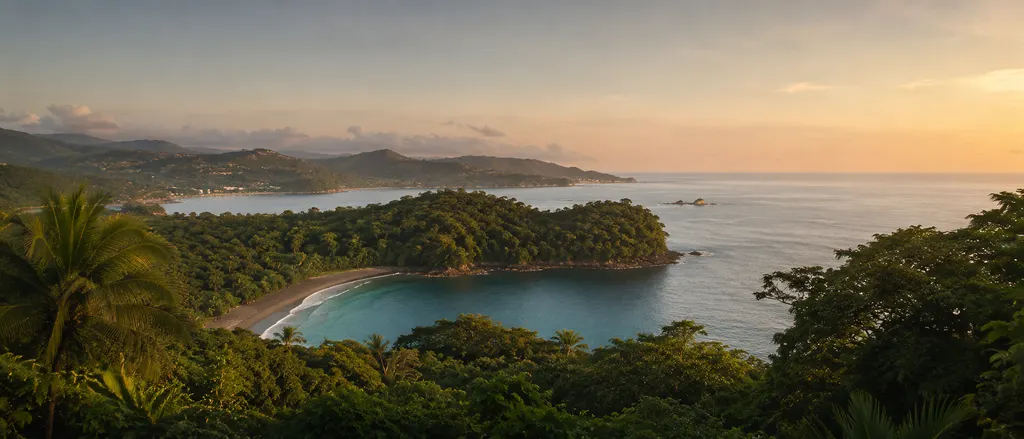
Central Pacific
Manuel Antonio Real Estate
View listings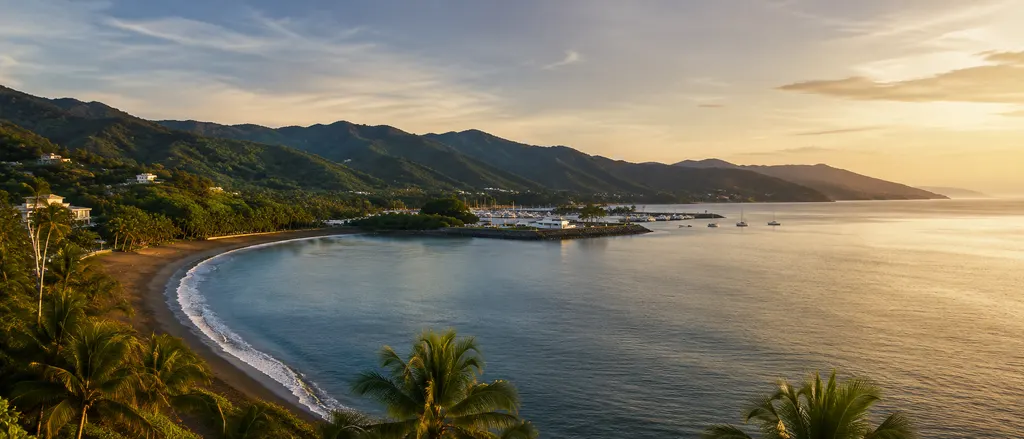
Central Pacific
Jaco Real Estate
View listings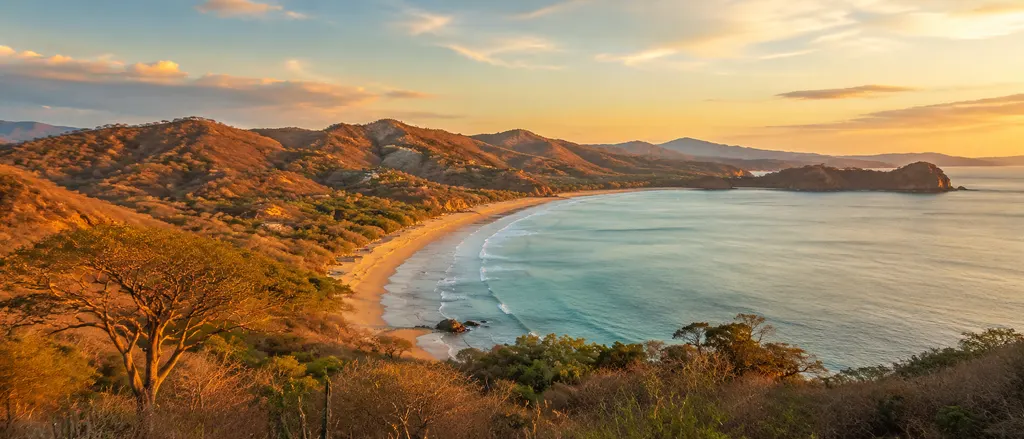
North Pacific Coast
Guanacaste Real Estate
View listings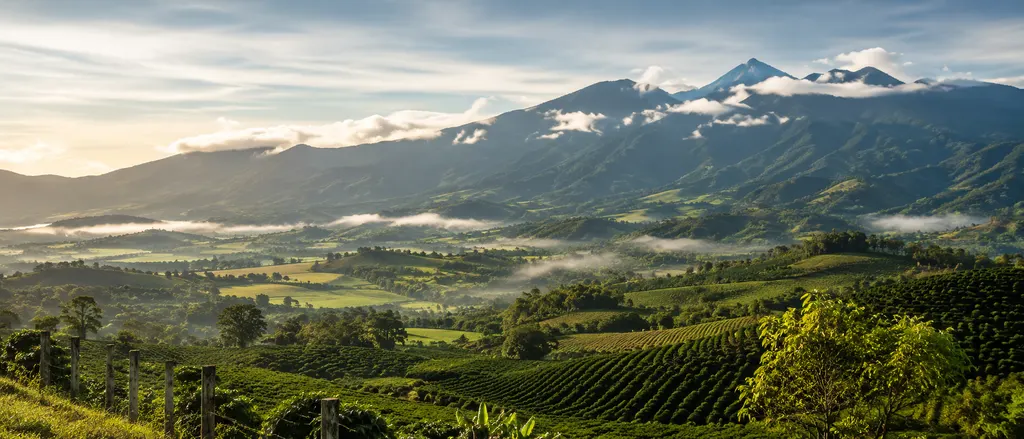
Southern Highlands
Pérez Zeledón Real Estate
View listings
San José Metro
Central Valley Real Estate
View listings
Nationwide
Costa Rica Real Estate
View listingsDominical / Uvita, Costa Rica
Looking in Dominical / Uvita?
The Costa Ballena corridor — whale-watching coast, wellness culture, and jungle ridgelines for buyers who want authenticity over crowds.
Dominical and Uvita anchor Costa Rica's Costa Ballena—the 'Whale Coast'—a 30-kilometer stretch of Pacific shoreline where jungle-clad mountains plunge directly into the ocean. This is the Southern Zone for buyers who prioritize authenticity over amenities, where yoga shalas outnumber shopping malls and the rhythm of life follows the tides rather than tour bus schedules.
- Local advisors who know this market
- Curated listings matched to your goals
- We call within seconds — phone required for follow-up