
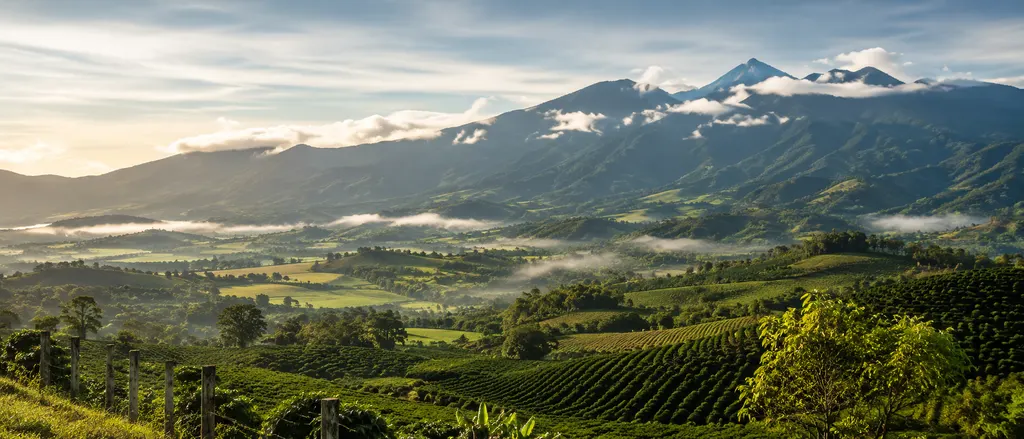
Region
Properties in Pérez Zeledón, Costa Rica
Pérez Zeledón and its commercial hub San Isidro de El General represent one of Costa Rica's most compelling opportunities for international buyers seeking authentic highland living without the premium prices of better-known regions.
Showing 1–24 of 109 properties
 Mountain view
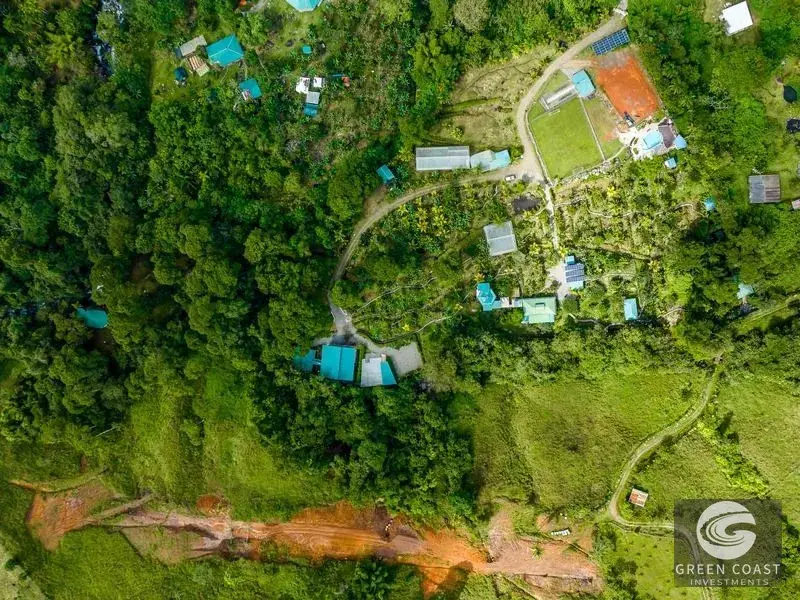 Mountain view
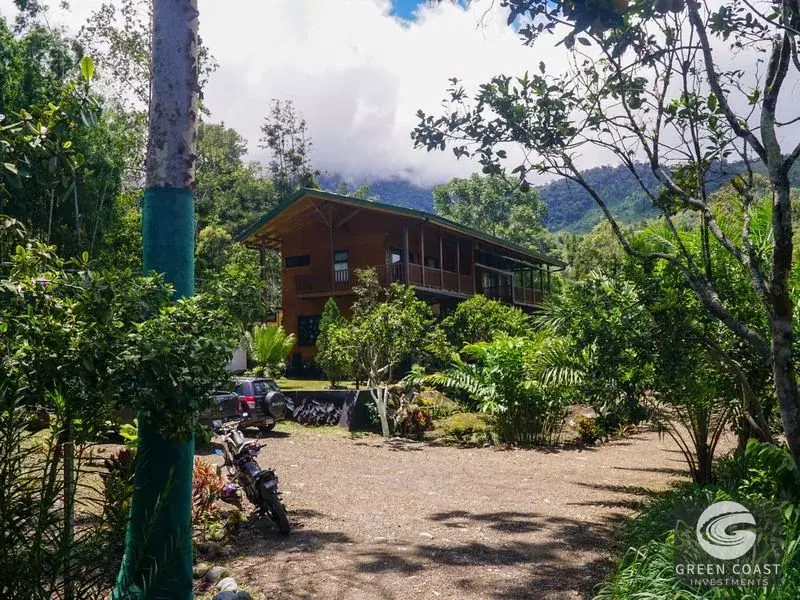 Mountain view
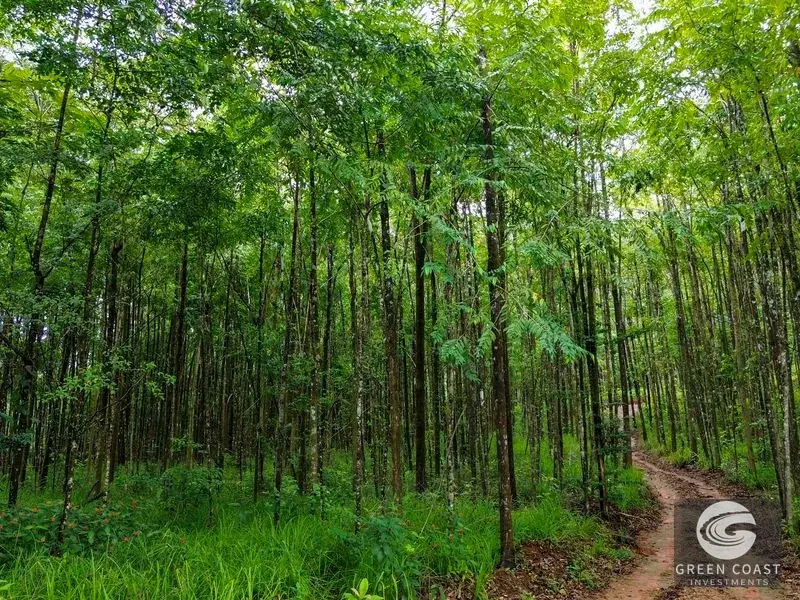 Mountain view
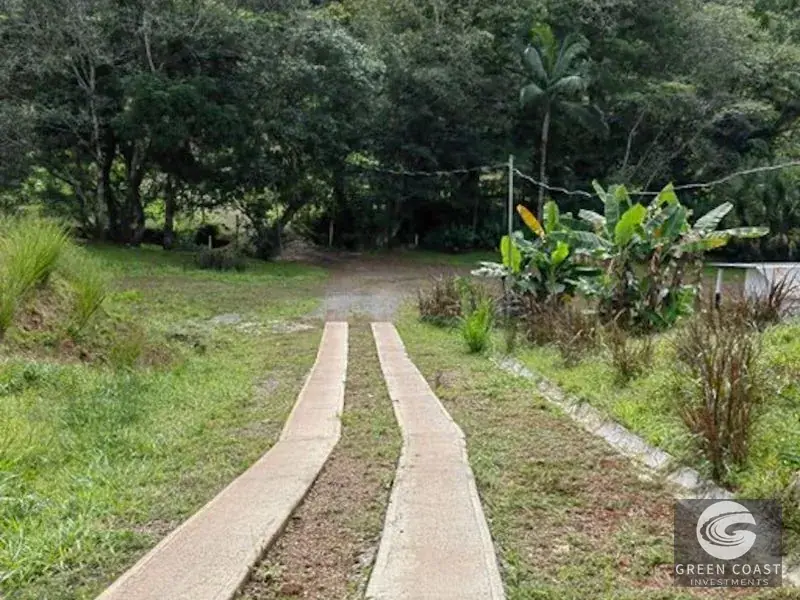 Mountain view
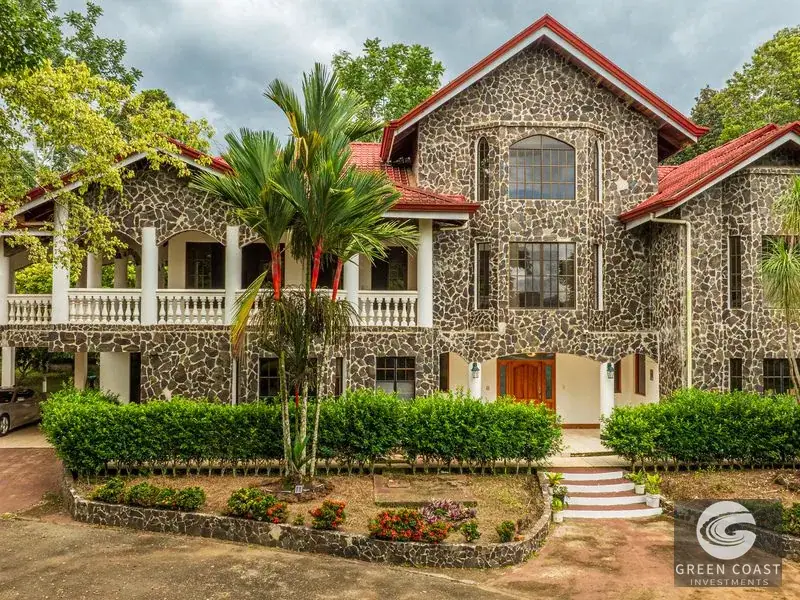 Pool
Pool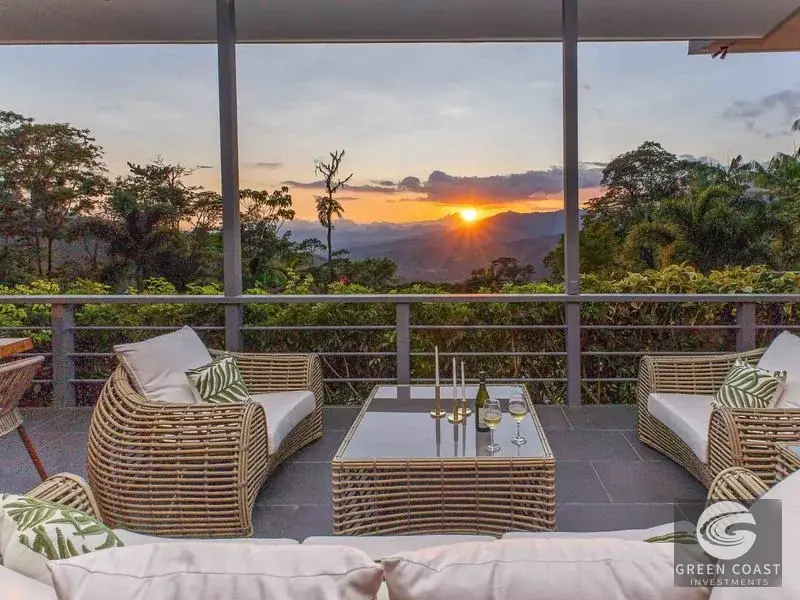 Mountain view
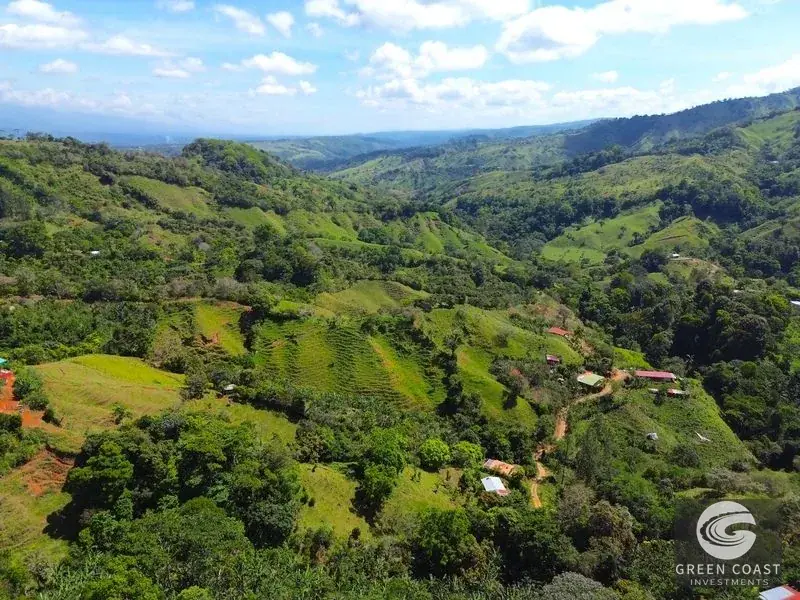 Mountain view
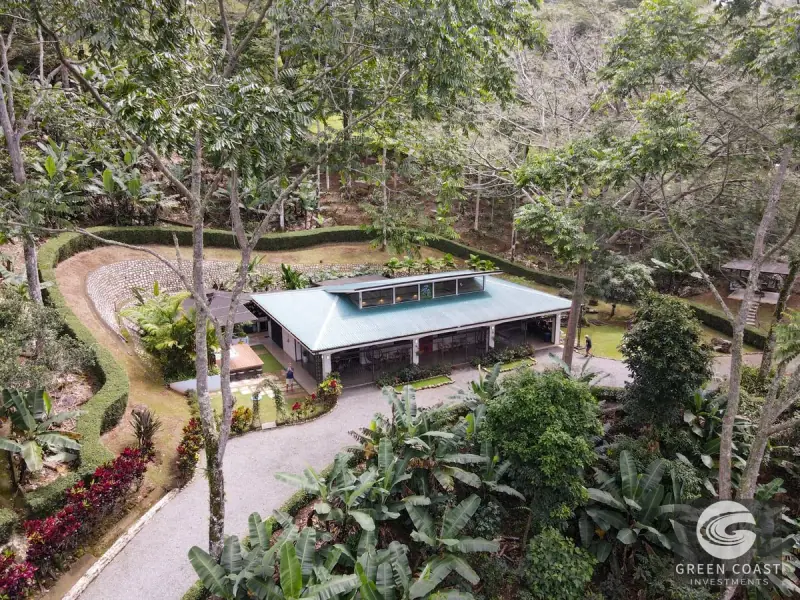 Mountain view
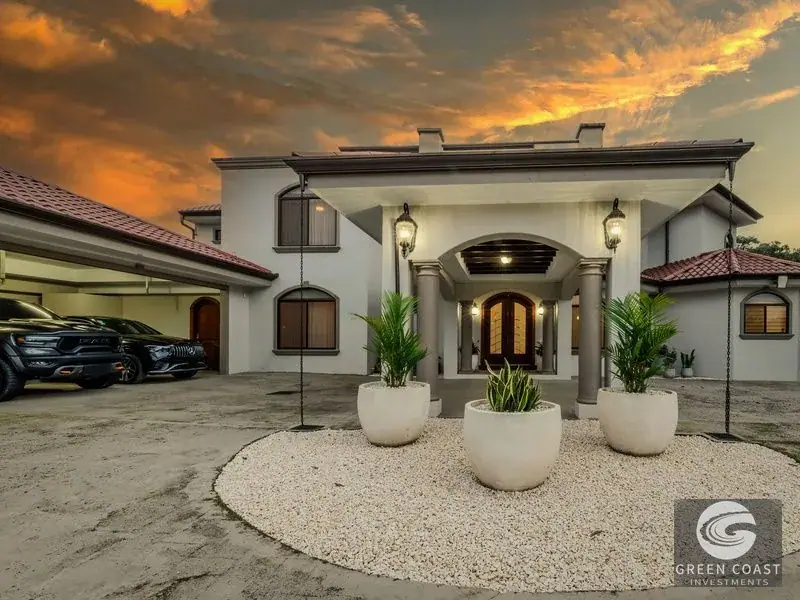 Pool
Pool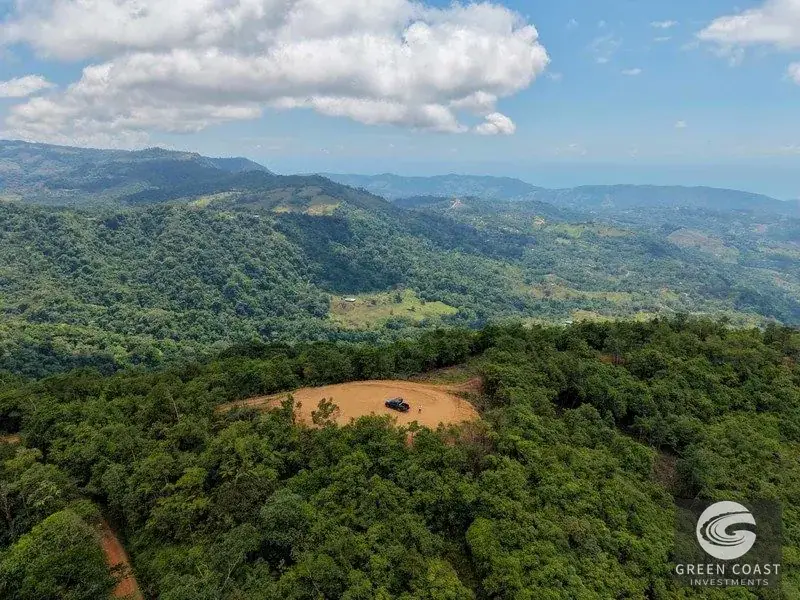 Ocean view
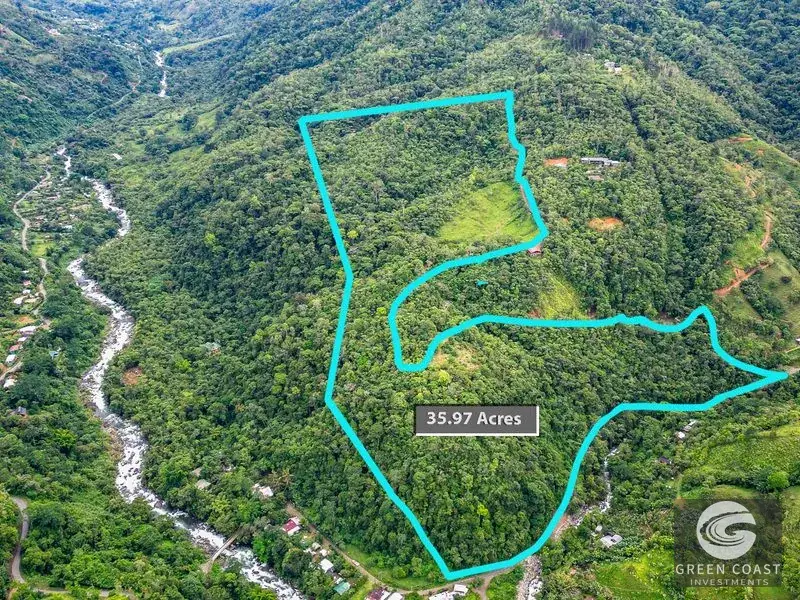 Mountain view
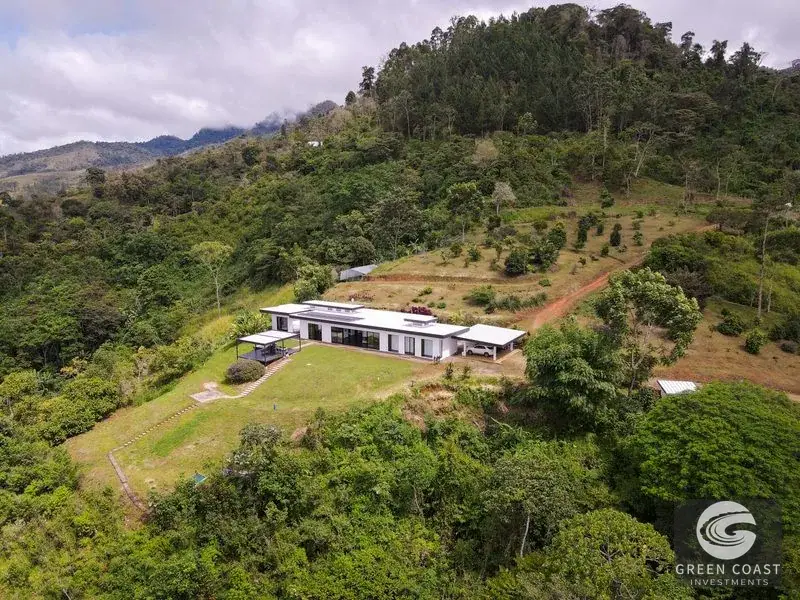 Mountain view
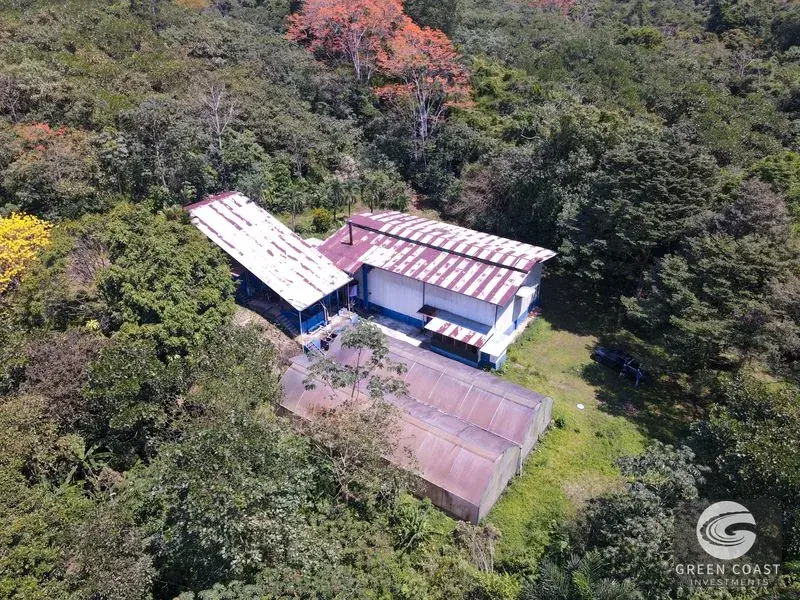 Mountain view
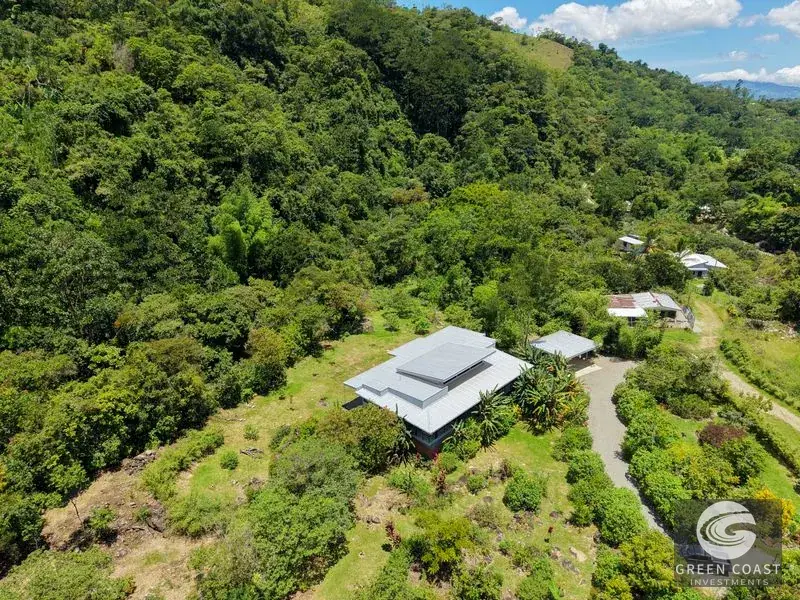 Mountain view
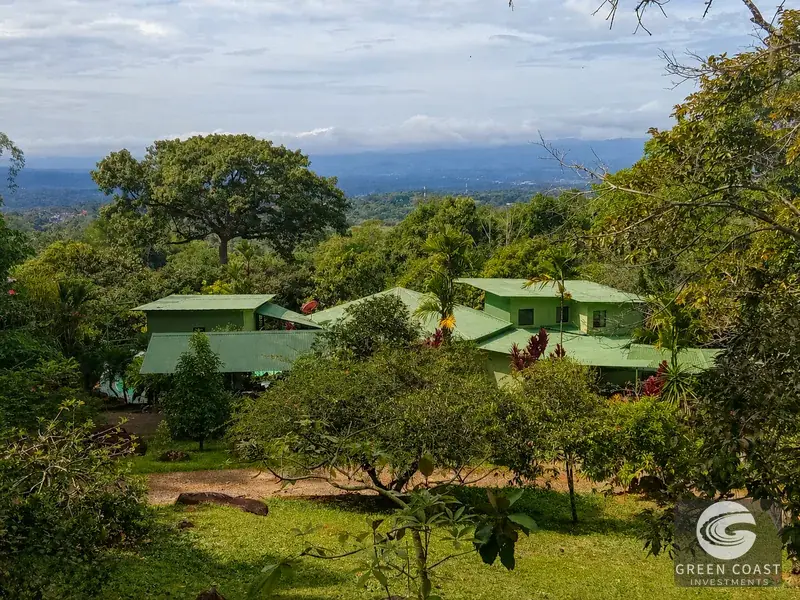 Mountain view
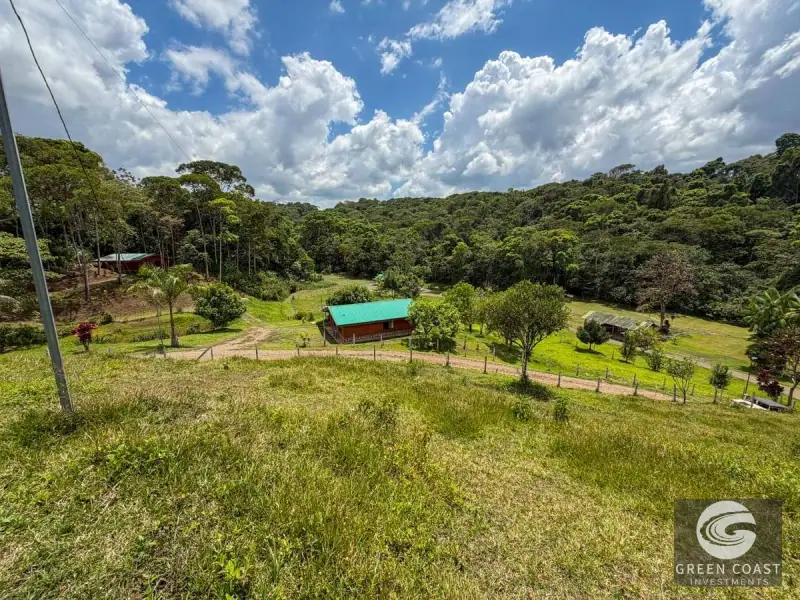 Mountain view
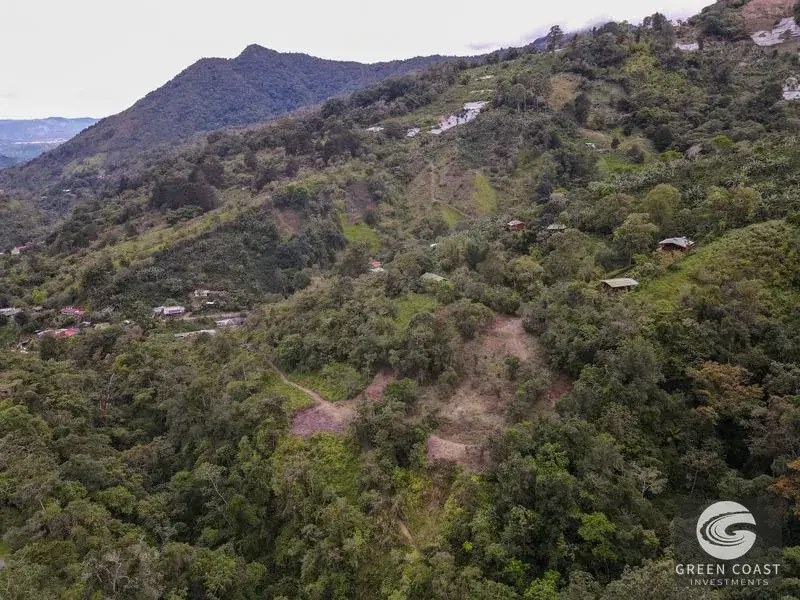 Mountain view
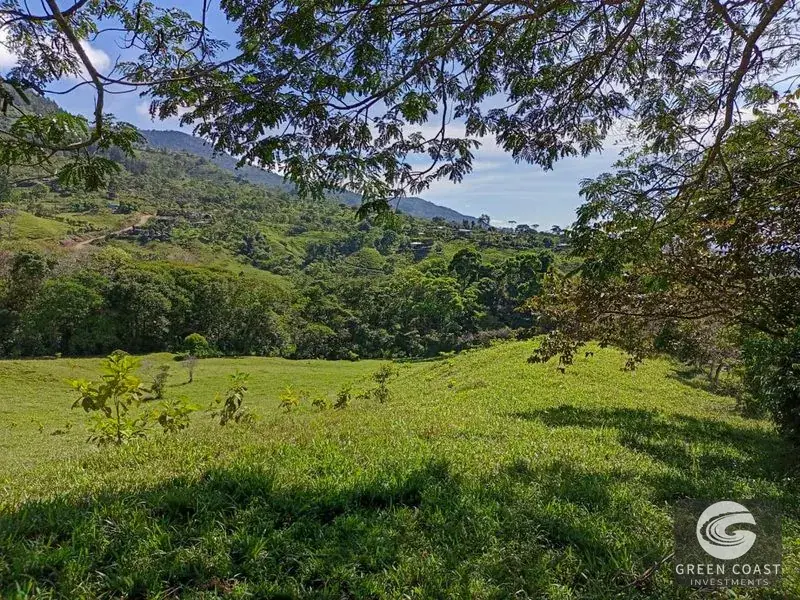 Mountain view
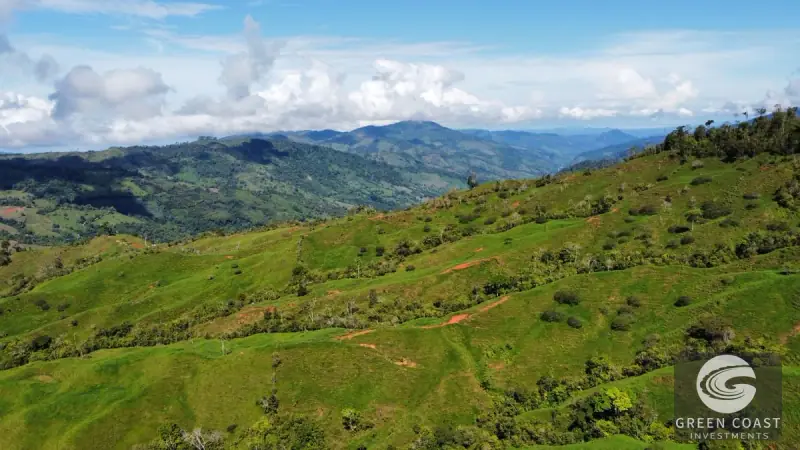 Ocean view
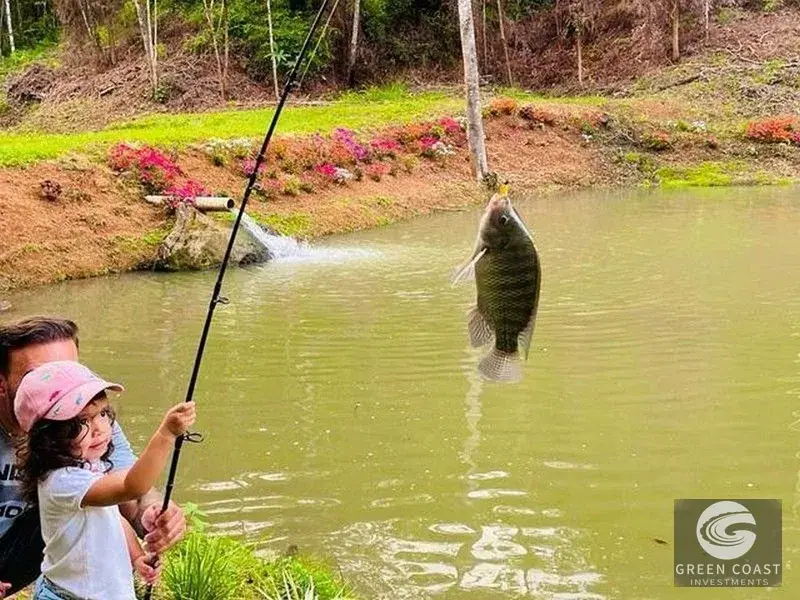 Mountain view
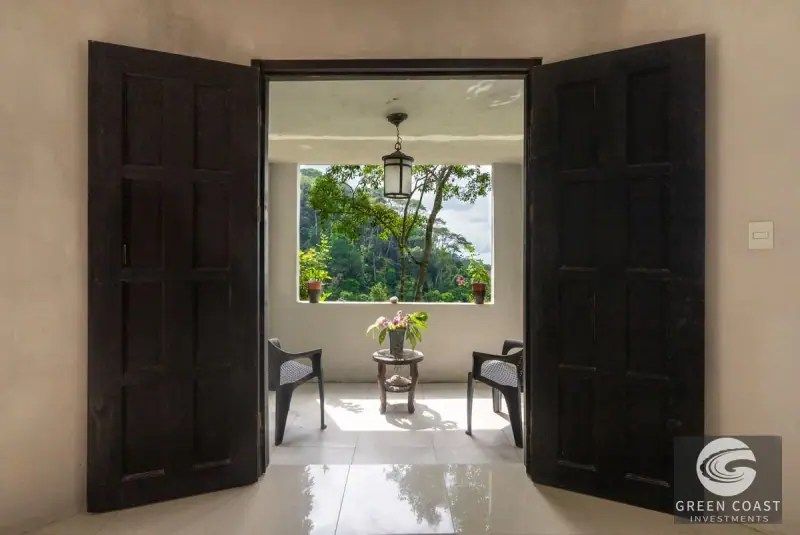 Ocean view
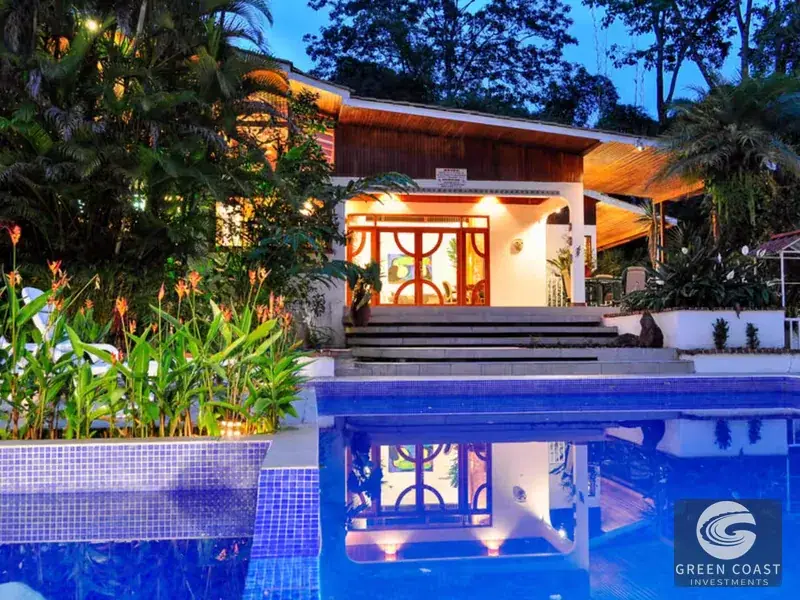 Mountain view
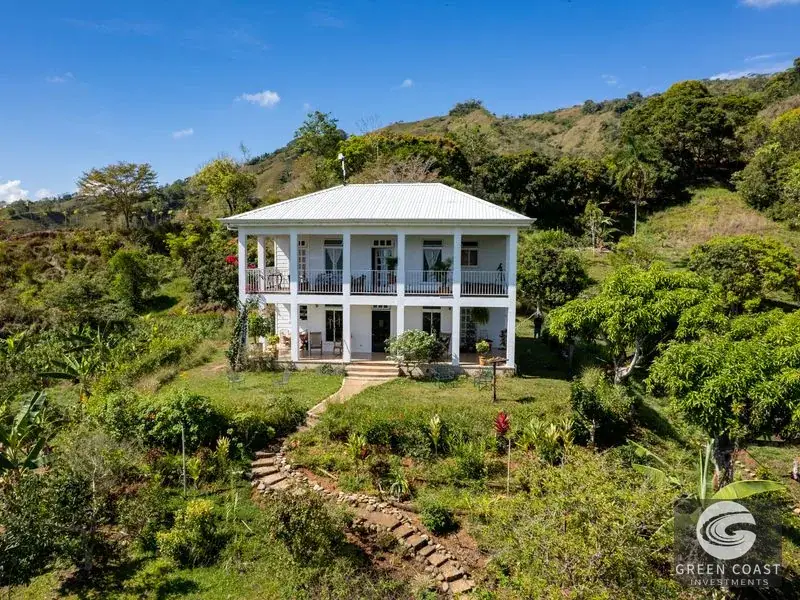 Mountain view
About Pérez Zeledón & San Isidro
Pérez Zeledón is Costa Rica's largest canton by area, encompassing over 1,900 square kilometers of the Brunca region in the southern zone. The canton stretches from the Talamanca mountain range—including portions of Chirripó National Park and the country's highest peaks—down through the fertile Valle de El General to lower elevations approaching the Pacific coastal zone. San Isidro de El General, commonly called San Isidro, serves as the cantonal seat and regional commercial center, sitting at approximately 2,300 feet elevation where the climate remains perpetually spring-like.
The geography is dominated by the dramatic Talamanca range to the east and rolling agricultural valleys to the west. This topographic diversity creates numerous microclimates within the canton, from cool highland coffee farms above 3,500 feet to warmer lower valleys suitable for tropical fruit production. The Río General and its tributaries carved these valleys over millennia, creating the rich alluvial soils that make Pérez Zeledón one of Costa Rica's most productive agricultural regions. The landscape is characterized by a patchwork of working farms, forest reserves, and small rural communities connected by a network of paved and gravel roads.
San Isidro lies approximately 136 kilometers (85 miles) south of San José, a journey that takes 2.5 to 3 hours via the Inter-American Highway (Route 2). This highway, known as the Carretera Interamericana, is the region's lifeline—a well-maintained two-lane road that climbs dramatically over the Cerro de la Muerte (Mountain of Death, named for its historically treacherous conditions) before descending into the Valle de El General. The drive offers spectacular mountain vistas but requires attention, particularly in fog. San Isidro itself has evolved into a proper city with traffic lights, supermarkets (including Walmart and AutoMercado), multiple banks, car dealerships, and all essential services.
The climate is one of Pérez Zeledón's greatest assets for North American buyers. At San Isidro's elevation, temperatures typically range from 65°F to 80°F year-round—genuine spring weather without the oppressive heat and humidity of coastal zones. Higher elevation properties enjoy even cooler temperatures, often requiring a light jacket in the evenings. The region experiences a distinct dry season (December through April) and rainy season (May through November), though rain patterns are more moderate than in the Caribbean lowlands. This climate supports comfortable outdoor living, excellent sleeping weather, and agricultural diversity that coastal zones cannot match.
Real Estate in Pérez Zeledón & San Isidro
The Pérez Zeledón real estate market is defined by acreage and agricultural potential rather than luxury finishes or resort amenities. Typical offerings include working coffee farms from 5 to 50+ acres ($100,000 to $500,000+), mountain view parcels with building sites ($40,000 to $150,000 for raw land), established homes on 1-5 acres ($150,000 to $350,000), and larger ranches or reforestation projects exceeding 100 acres. In-town properties in San Isidro—condos, townhomes, and single-family residences—range from $80,000 for modest apartments to $250,000 for substantial homes in desirable neighborhoods. The market offers dramatically more square footage and acreage per dollar compared to Guanacaste, the Central Valley, or the Southern Pacific coast.
Buyer profiles in Pérez Zeledón differ markedly from beach markets. The region attracts agriculturally-minded investors interested in coffee production, permaculture, or sustainable farming; retirees seeking cooler weather, lower costs, and genuine community; remote workers and digital nomads prioritizing space, climate, and value; and families looking for land-based lifestyles with room for horses, gardens, and self-sufficiency. This is not a resort market—buyers here typically seek authentic Costa Rican living rather than gated communities or turnkey vacation properties.
The market narrative is one of steady, modest appreciation rather than speculative booms. Pérez Zeledón has not experienced the dramatic price escalations of coastal zones, making it accessible for buyers with moderate budgets. Properties may take longer to sell due to the smaller expat buyer pool, but this also means less competition and more negotiating room. Financing through Costa Rican banks is possible for residents, though most international buyers purchase with cash. The region's properties tend to emphasize land quality, water rights, and productive capacity over architectural statements, reflecting the agricultural character that defines the area.
Why Buy in Pérez Zeledón & San Isidro
Exceptional Value and Acreage: The primary draw is simple economics—your investment dollar purchases substantially more land here than anywhere along the coast or in the Central Valley. A $200,000 budget that might buy a small condo in Tamarindo or a quarter-acre lot in Escazú can secure 20-30 acres of productive farmland with mountain views in Pérez Zeledón. For buyers prioritizing space, privacy, and land-based lifestyles over beach proximity, the value proposition is unmatched. This affordability extends to cost of living, with local prices for food, services, and entertainment reflecting a working agricultural economy rather than tourist premiums.
Ideal Climate for Year-Round Comfort: The perpetual spring weather eliminates the need for air conditioning while providing cool, comfortable sleeping conditions every night. For North Americans escaping extreme winters or oppressive summers, the 65-80°F temperature range feels like paradise. The climate also supports gardens, outdoor activities, and livestock management year-round without the debilitating heat of lowland tropics. Many buyers report this climate as the single most important factor in their quality of life improvement after relocating.
Authentic Community and Urban Amenities: Unlike expat-heavy beach towns, Pérez Zeledón offers genuine integration into Costa Rican society. San Isidro functions as a real city serving a regional population, not a tourist destination. This means authentic cultural experiences, local friendships, and the infrastructure of a proper urban center—universities, specialty medical services, diverse shopping, and cultural events. For buyers seeking to truly live in Costa Rica rather than recreate a North American bubble, this authenticity is invaluable.
Agricultural and Investment Potential: The region's productive soils and established agricultural infrastructure create opportunities for income-generating properties. Coffee farms, tropical fruit operations, reforestation projects eligible for environmental payments, and agritourism ventures all represent viable business models. Even small-scale permaculture or organic farming can offset living costs while providing purpose and engagement. The combination of affordability, productivity, and growing interest in sustainable agriculture positions Pérez Zeledón as an emerging market for values-driven investment.
Expat Life in Pérez Zeledón & San Isidro
The expat community in Pérez Zeledón is smaller and more integrated than in coastal hotspots—a feature many residents consider an advantage. Rather than large, insular foreign enclaves, you'll find individual expat families and retirees scattered throughout the canton, often deeply involved in local community life. This smaller foreign presence means more authentic cultural immersion and genuine relationships with Tico neighbors, though it also requires more initiative in building social connections and greater Spanish language skills for daily life.
English availability is limited compared to tourist zones. While some professionals in San Isidro (doctors, lawyers, real estate agents) speak English, most daily transactions occur in Spanish. This reality attracts a particular expat profile—those willing to learn the language and adapt to local culture rather than expecting Costa Rica to accommodate them. Several Spanish schools operate in the region, and the immersive environment accelerates learning. The expat community, though dispersed, maintains informal networks through social media groups, occasional meetups, and word-of-mouth connections.
Local integration happens organically through shared interests—agricultural cooperatives, environmental projects, community development initiatives, and simply being good neighbors in rural areas where everyone knows everyone. Many expats report deeper satisfaction with their Costa Rican experience in Pérez Zeledón precisely because they're living as residents rather than perpetual tourists. The region's authenticity, while requiring more cultural adaptation, ultimately delivers the meaningful connections and sense of belonging that many international buyers seek but struggle to find in more commercialized areas.
Practical Information
Access and Transportation: San Isidro is served by regular bus service from San José (multiple departures daily, approximately $8, 3-3.5 hours) and local bus routes connecting surrounding communities. The city has taxi services, and most residents own vehicles for flexibility in reaching rural properties. The Inter-American Highway provides the primary access, with the journey from San José involving the dramatic climb over Cerro de la Muerte—a drive requiring attention but offering spectacular scenery. The nearest commercial airport is San José (SJO), approximately 3 hours away, though the small Pérez Zeledón airport handles occasional charter flights. Most rural properties require 4WD vehicles during rainy season, particularly those on gravel or dirt roads.
Healthcare: San Isidro boasts the Hospital Escalante Pradilla, a major public hospital serving the entire southern zone with emergency services, surgical facilities, and specialist departments. The city also has numerous private clinics, dentists, pharmacies, and medical specialists—healthcare infrastructure far superior to most rural Costa Rican regions. Many doctors trained in San José or abroad maintain practices here, and costs remain a fraction of US prices. For highly specialized procedures, San José's world-class private hospitals are accessible within a half-day trip. The combination of local healthcare capacity and proximity to capital city facilities provides adequate medical security for most retirees and families.
Services and Infrastructure: San Isidro offers full urban services—municipal water, electricity from ICE (the national utility), multiple supermarkets including international chains, hardware stores, agricultural supply outlets, banks, and professional services. Internet availability has improved dramatically with fiber optic expansion reaching San Isidro and gradually extending to surrounding areas. Many rural properties rely on cellular data (4G increasingly available) or satellite internet, with Starlink becoming popular for remote locations. The city has restaurants, cinemas, gyms, and cultural venues providing entertainment and social opportunities. Rural properties should be evaluated individually for utility access, with some requiring wells, septic systems, and solar power solutions.
Lifestyle Considerations: Daily life in Pérez Zeledón centers on agriculture, nature, and community rather than tourism or nightlife. The pace is slower, the culture more traditional, and the focus more on substance than style. This appeals enormously to certain buyers while feeling isolating to others. The region excels for those who enjoy gardening, hiking, birdwatching, horseback riding, and quiet evenings rather than beach clubs and resort amenities. Pacific beaches are 1-2 hours away for occasional visits, and Chirripó National Park offers world-class highland trekking. The lifestyle rewards self-sufficiency, adaptability, and genuine interest in Costa Rican culture—those qualities determine success and satisfaction more than any property feature.
Frequently Asked Questions
- How cold does it get in Pérez Zeledón, and will I need heating?
At San Isidro's elevation (2,300 feet), nighttime temperatures rarely drop below 60°F, and daytime highs reach 75-80°F year-round. Most homes don't have heating systems, though higher elevation properties (above 3,500 feet) may feel chilly on winter evenings, and residents use space heaters or fireplaces occasionally. The climate is best described as perpetual spring—comfortable year-round without air conditioning or significant heating needs.
- Is Pérez Zeledón safe for expats and retirees?
Pérez Zeledón is generally considered safe, with crime rates lower than San José and coastal tourist zones. The region's agricultural character and strong community ties contribute to security, though standard precautions apply—secure properties properly, avoid displaying wealth, and build good relationships with neighbors. Rural properties benefit from the 'everyone knows everyone' dynamic of small communities. San Isidro, as a larger city, has typical urban issues but remains manageable with common sense.
- Can I generate income from a coffee farm or agricultural property?
Agricultural income is possible but requires realistic expectations, expertise, and active management. Established coffee farms can generate returns, though global coffee prices fluctuate and production demands significant labor and knowledge. Many buyers pursue smaller-scale operations—organic vegetables, tropical fruits, agritourism—that supplement income rather than providing full support. Consult with agricultural experts and existing farmers before purchasing with income expectations, and consider hiring experienced local managers if you lack farming background.
- How difficult is the drive from San José over Cerro de la Muerte?
The drive requires attention but is manageable for competent drivers in proper vehicles. The road is paved and well-maintained, though it climbs to over 10,000 feet with curves, fog, and occasional heavy truck traffic. Allow 3 hours, avoid driving at night or in heavy fog, and ensure your vehicle is mechanically sound. Many residents make the trip regularly without incident—it's a spectacular drive that becomes routine with experience, not the dangerous ordeal its dramatic name suggests.
- What's the best area within Pérez Zeledón for international buyers?
Preferences vary by priorities: San Isidro proper for urban convenience and services; Rivas and San Pedro areas for proximity to town with rural character; higher elevations like San Gerardo de Rivas for cooler temperatures and mountain access; lower western areas for warmer microclimates and Pacific proximity. Visit multiple areas, experience the elevation differences, and consider your lifestyle priorities—agricultural ambitions, climate preferences, desired community integration, and tolerance for remoteness all influence the ideal location within this diverse canton.
Explore other regions
Compare markets across Costa Rica — each region has its own character and price profile.
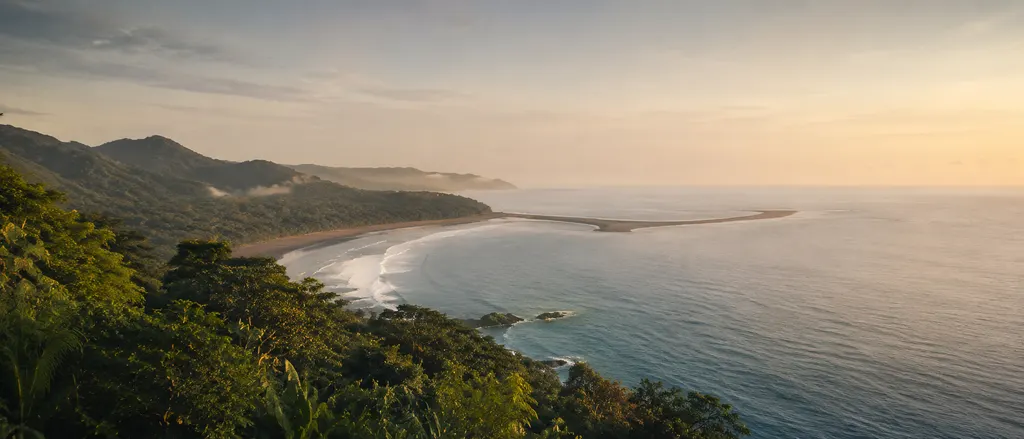
South Pacific Coast
Uvita & Dominical Real Estate
View listings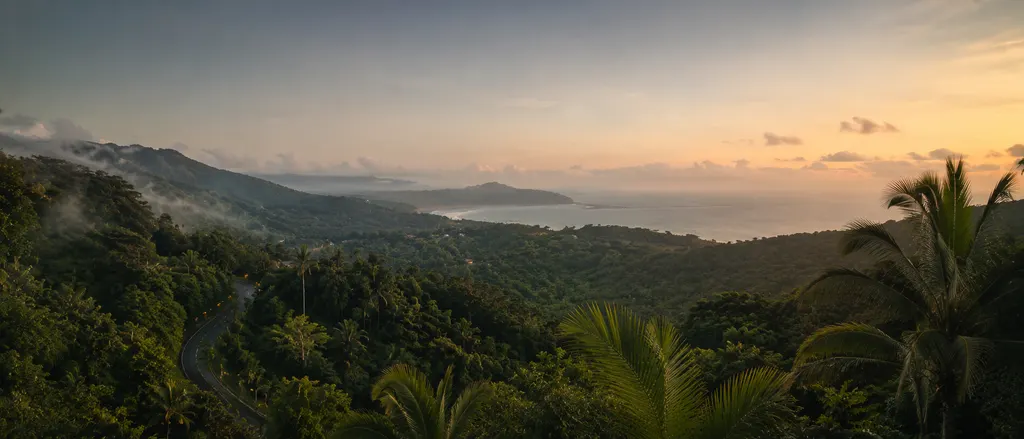
South Pacific Coast
Ojochal Real Estate
View listings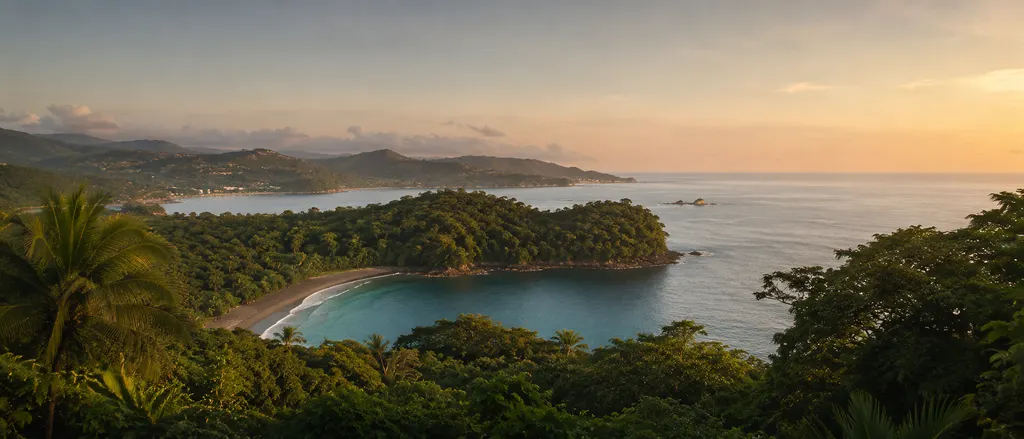
Central Pacific
Manuel Antonio Real Estate
View listings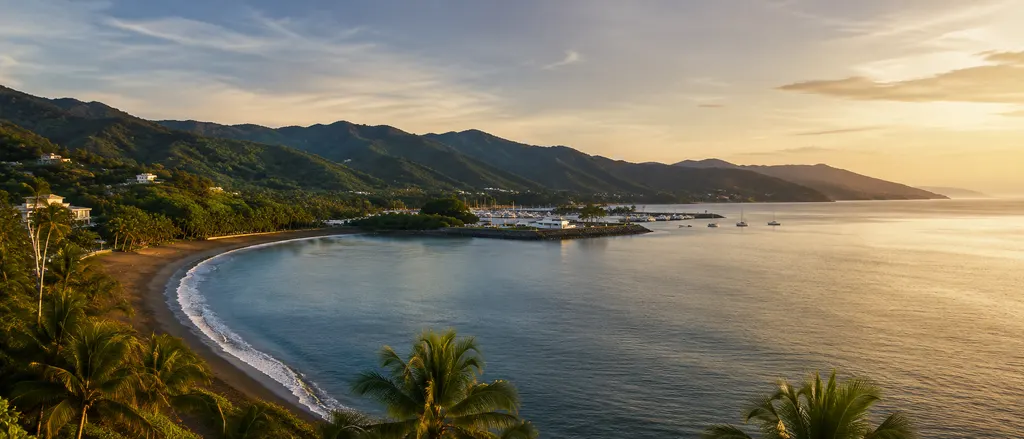
Central Pacific
Jaco Real Estate
View listings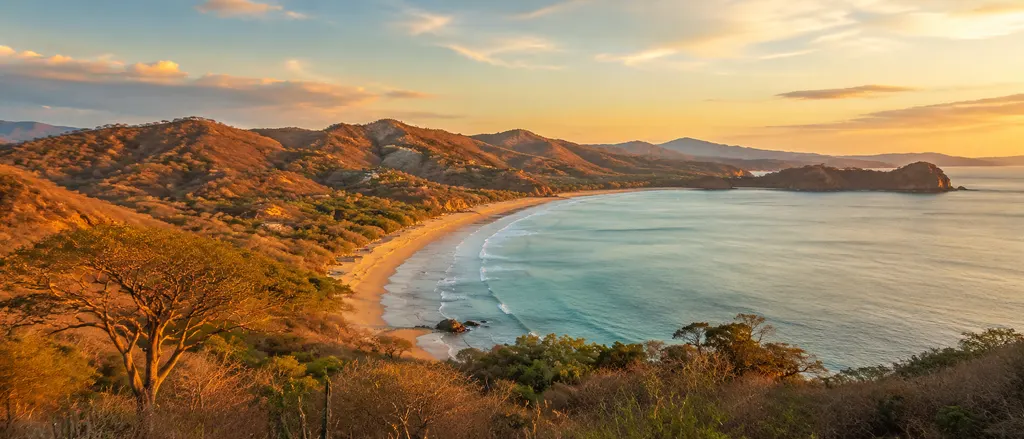
North Pacific Coast
Guanacaste Real Estate
View listings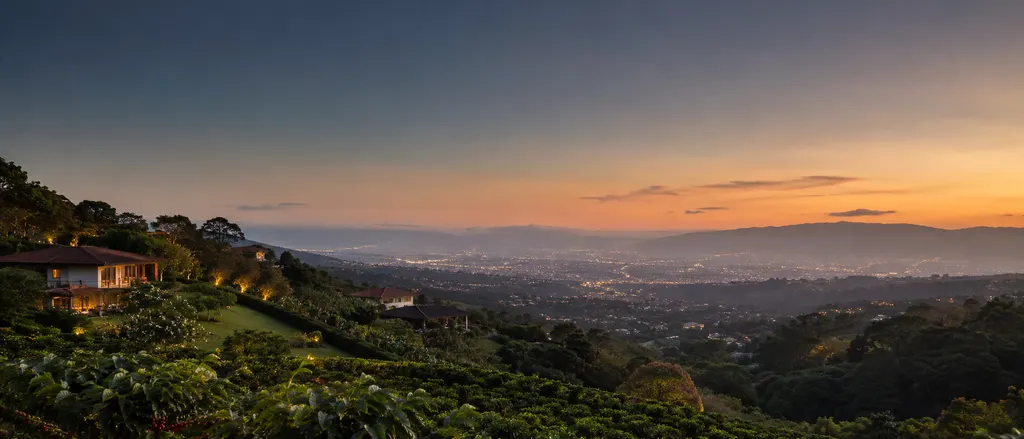
San José Metro
Central Valley Real Estate
View listings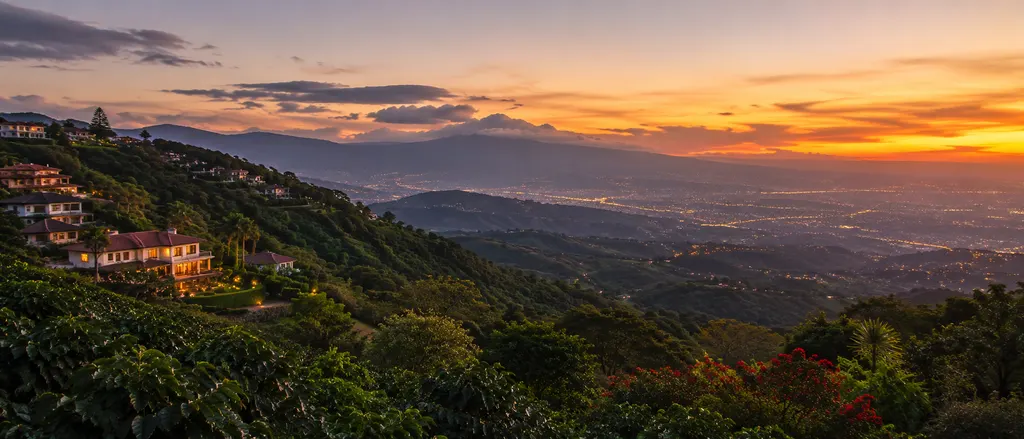
Nationwide
Costa Rica Real Estate
View listingsPérez Zeledón, Costa Rica
Looking in Pérez Zeledón?
Cooler highland farms, mountain vistas, and value-oriented acreage south of the Central Valley.
Pérez Zeledón and its commercial hub San Isidro de El General represent one of Costa Rica's most compelling opportunities for international buyers seeking authentic highland living without the premium prices of better-known regions. Located in the southern Central Valley at elevations ranging from 2,000 to 4,000 feet, this agricultural heartland offers a refreshing alternative to coastal markets—cooler temperatures, expansive mountain views, and significantly more land for your investment dollar.
- Local advisors who know this market
- Curated listings matched to your goals
- We call within seconds — phone required for follow-up