
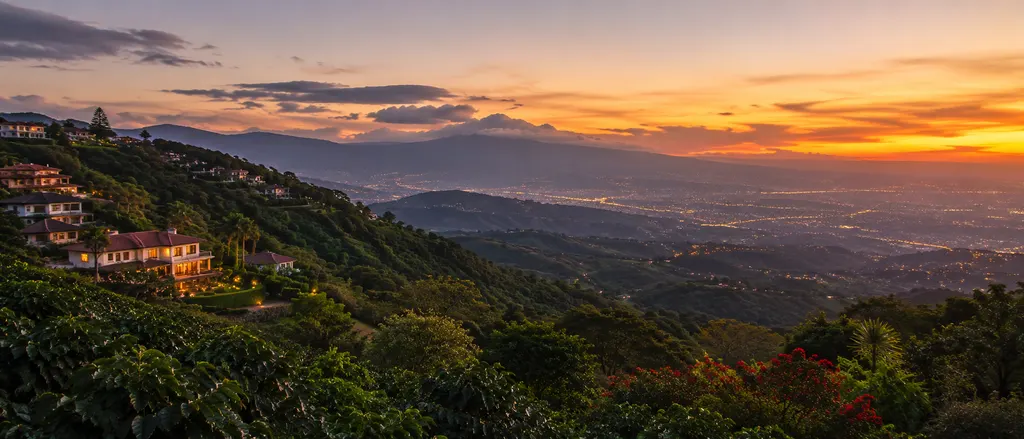
Región
Propiedades en Otra / Nacional, Costa Rica
Costa Rica has emerged as the premier destination for North American luxury real estate investment, offering a rare combination of political stability, natural beauty, and investor-friendly policies that few tropical markets can match.
Mostrando 49–72 de 89 propiedades
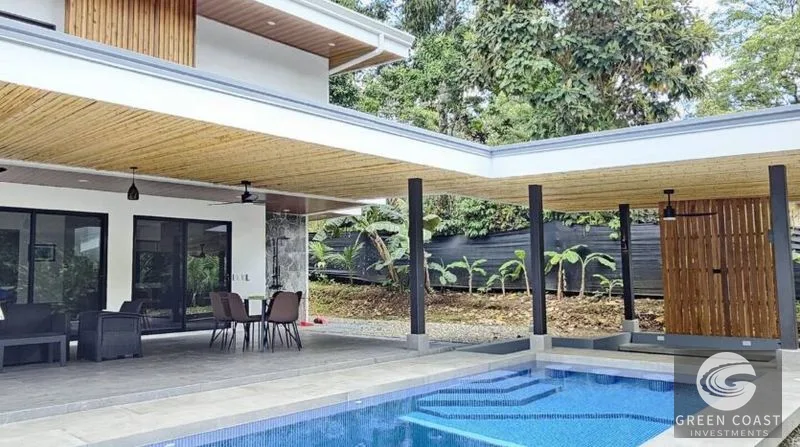 Piscina
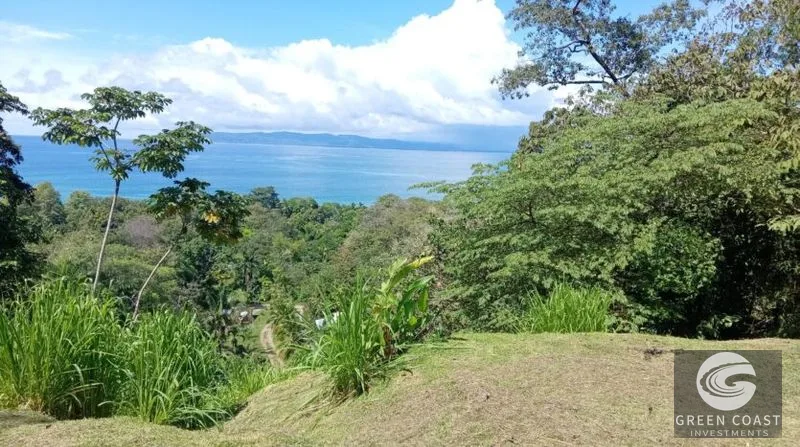 Vista al océano
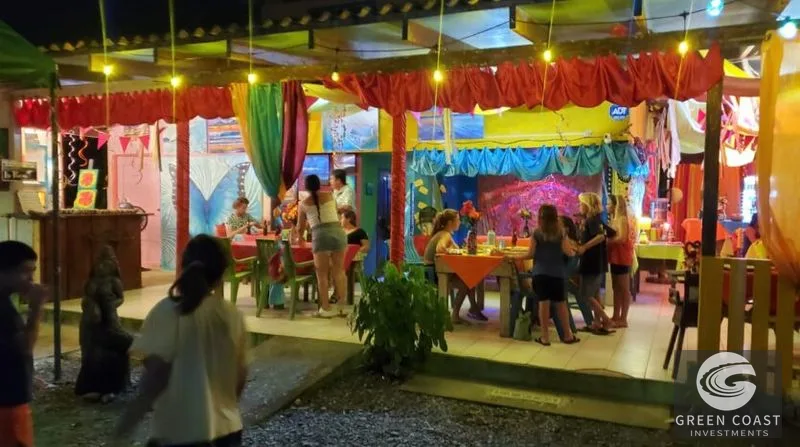 Frente al mar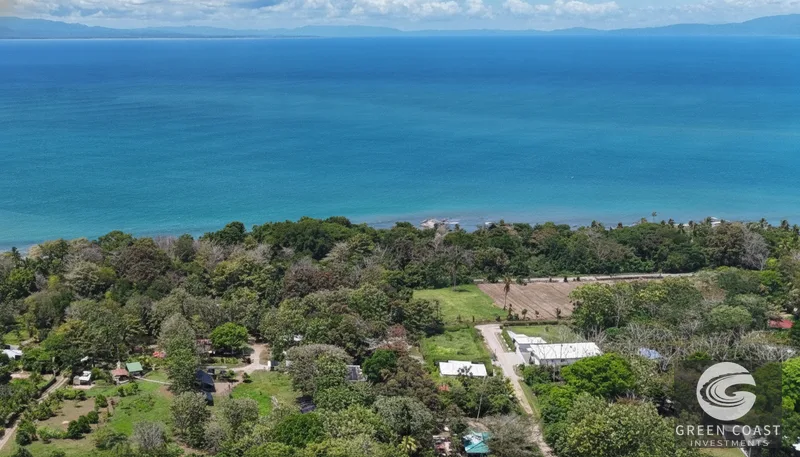
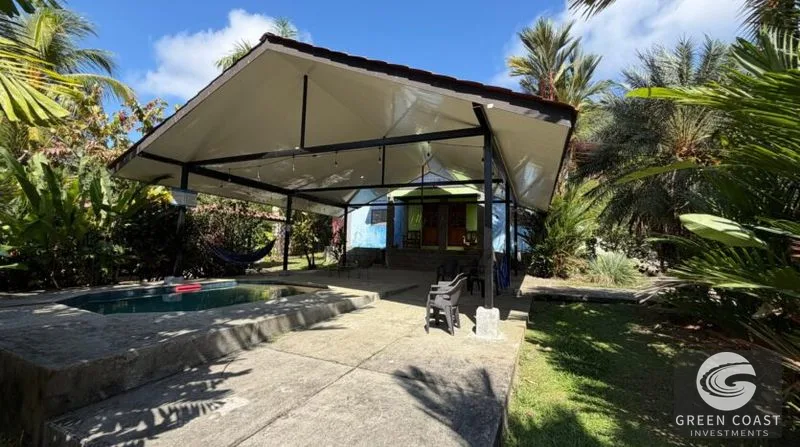 Piscina
 Piscina
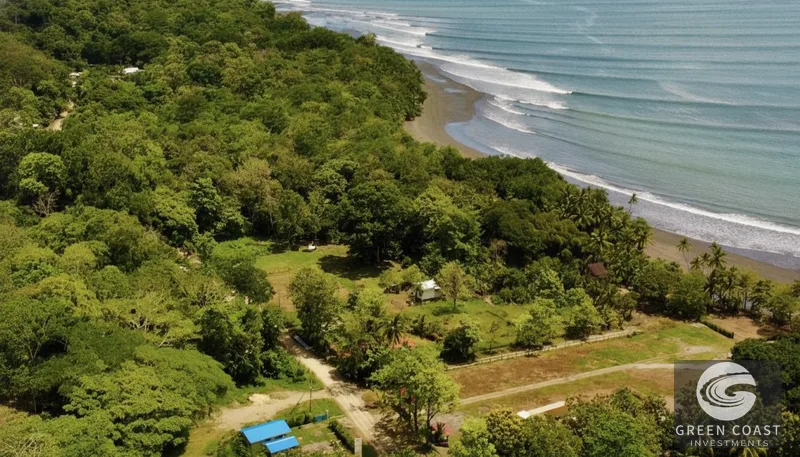 Frente al mar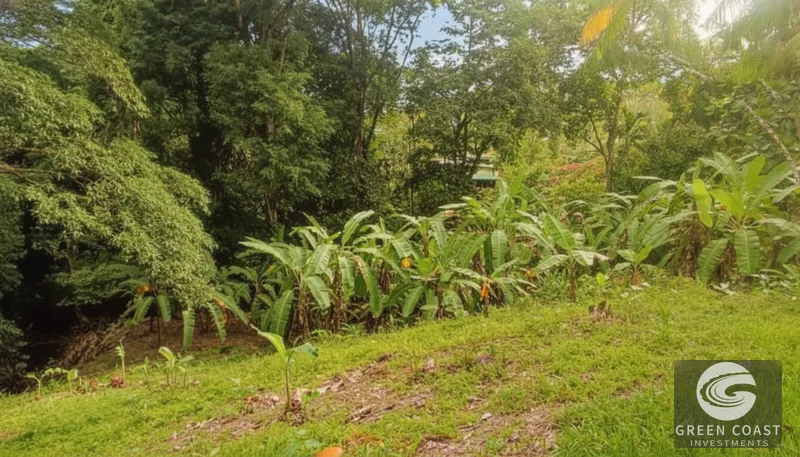
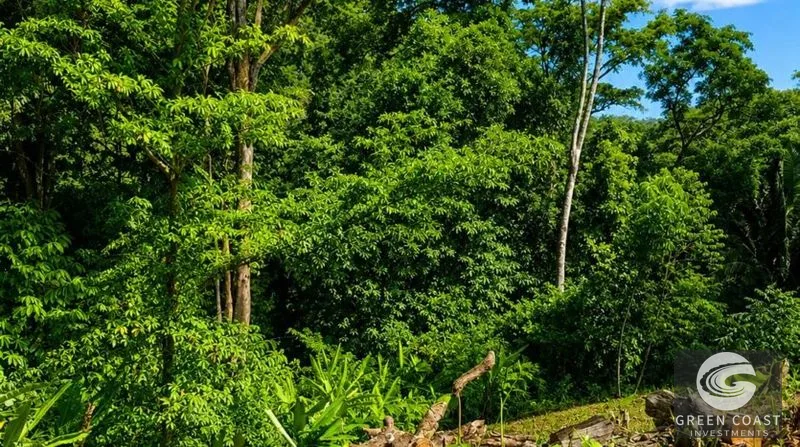 Vista al océano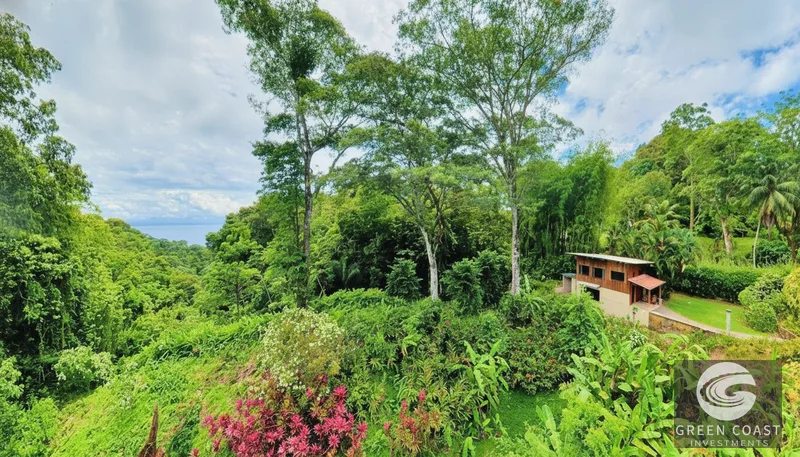
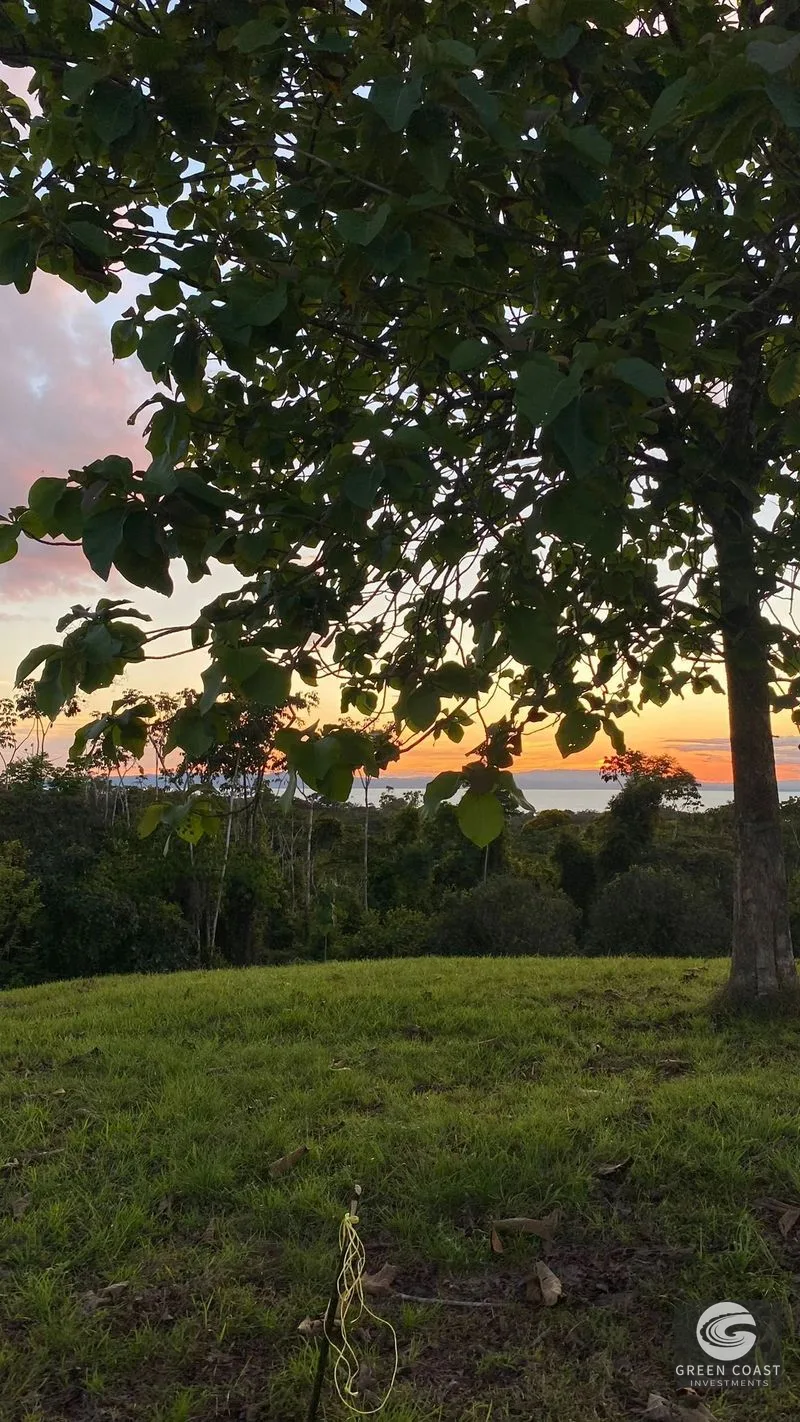 Vista al océano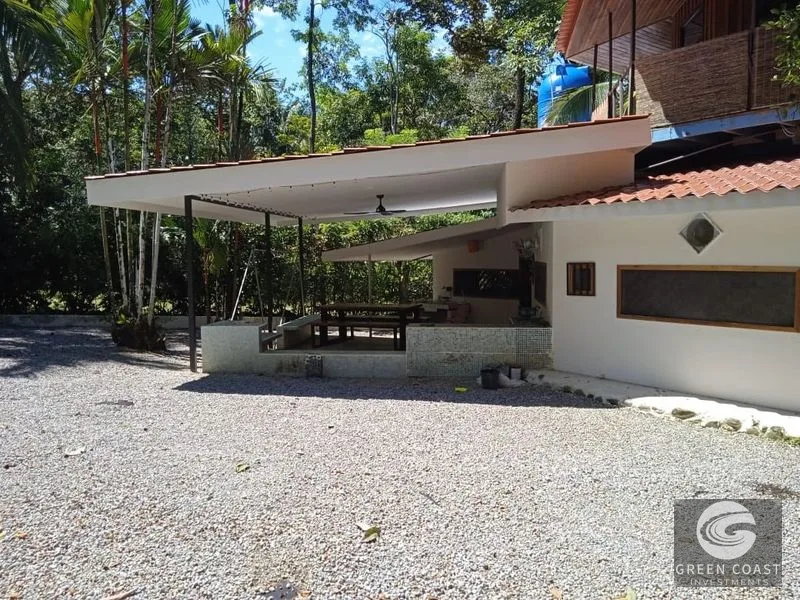
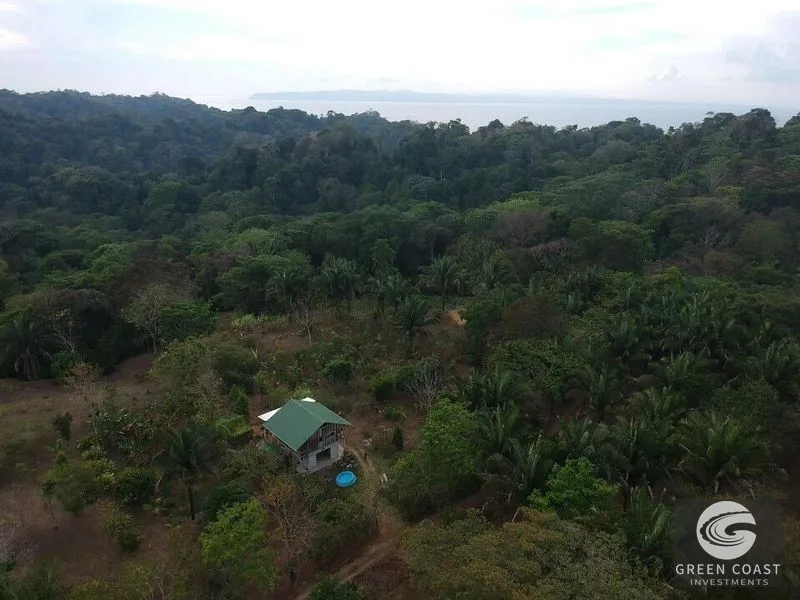 Vista a la montaña
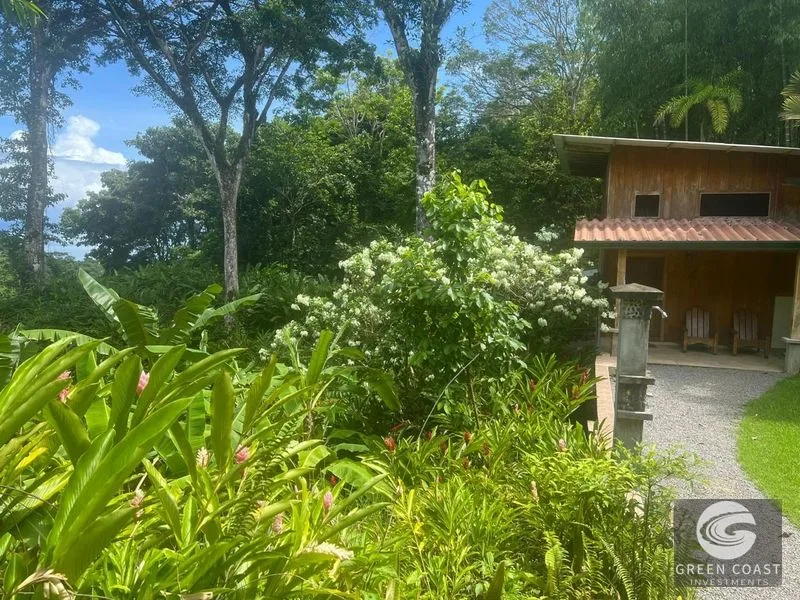 Vista a la montaña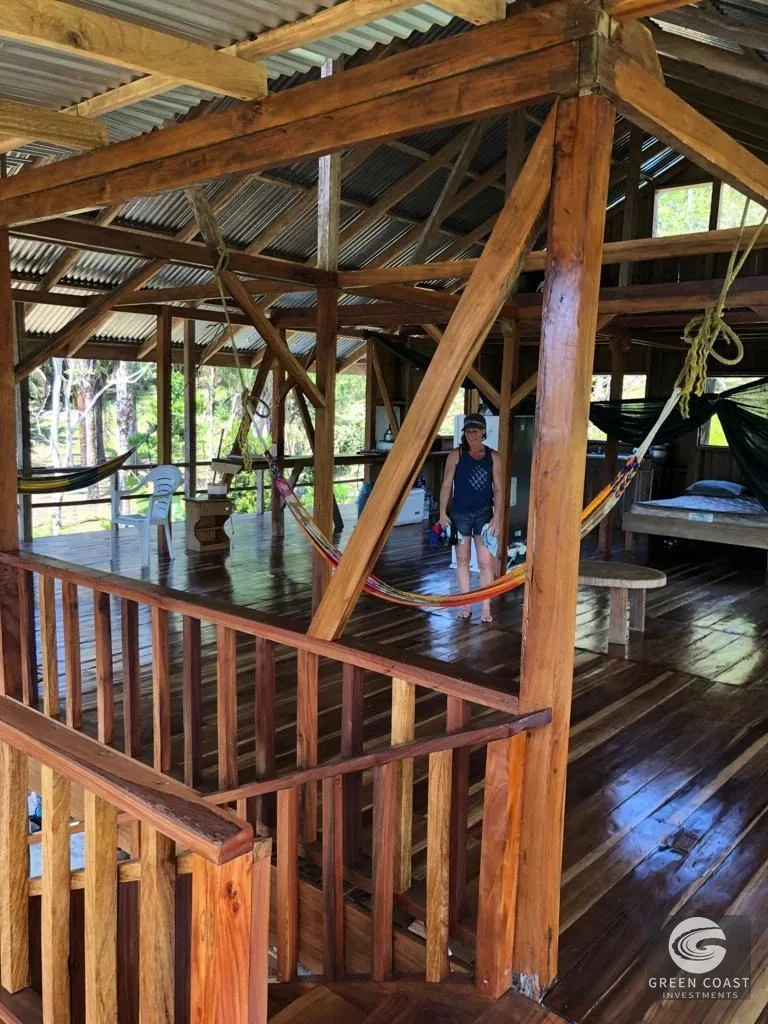
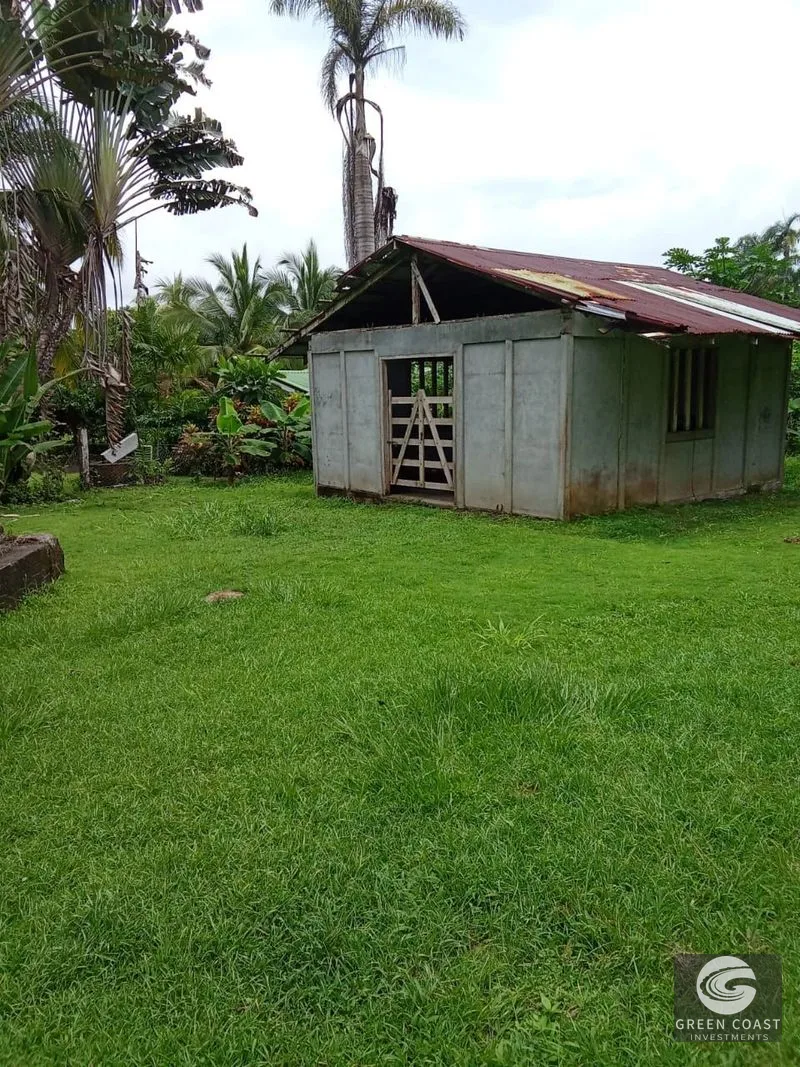
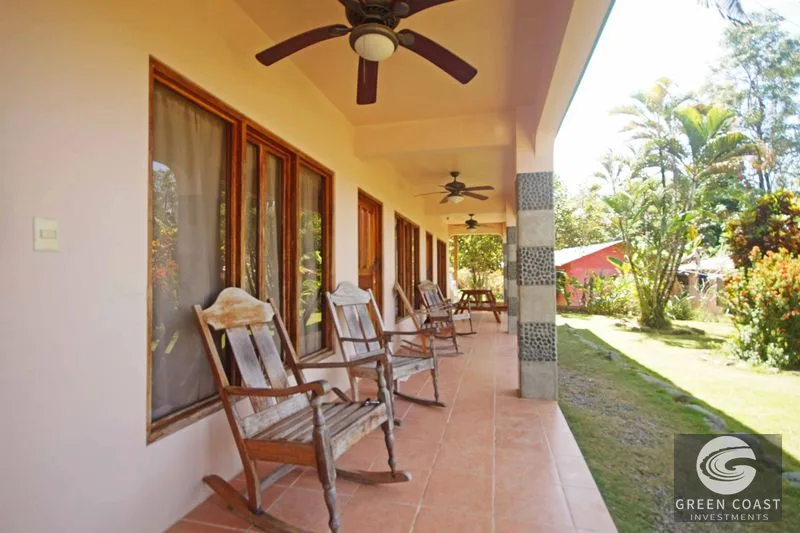
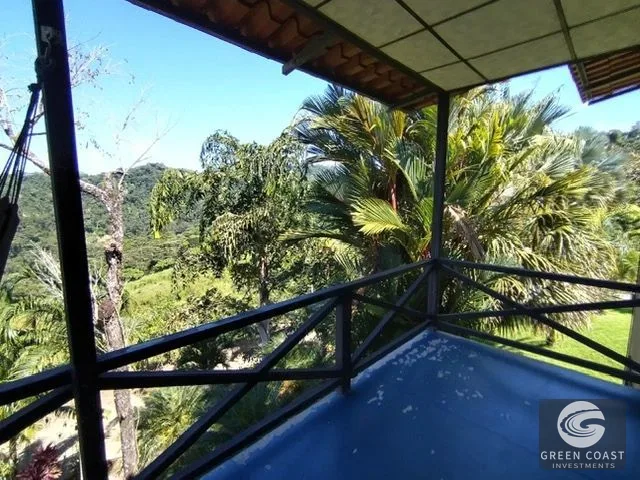 Vista al océano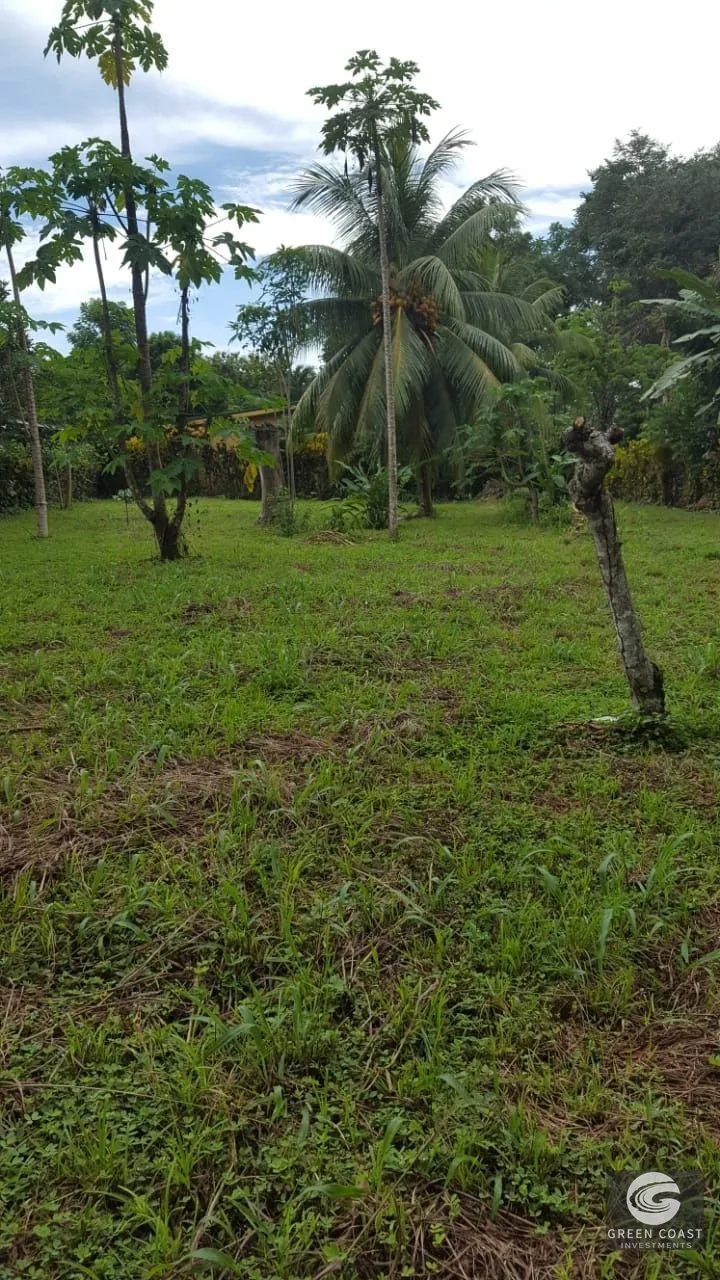
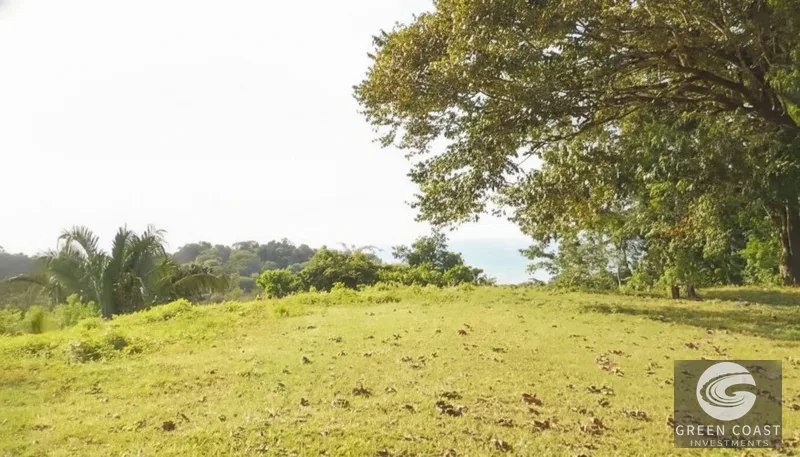 Vista al océano
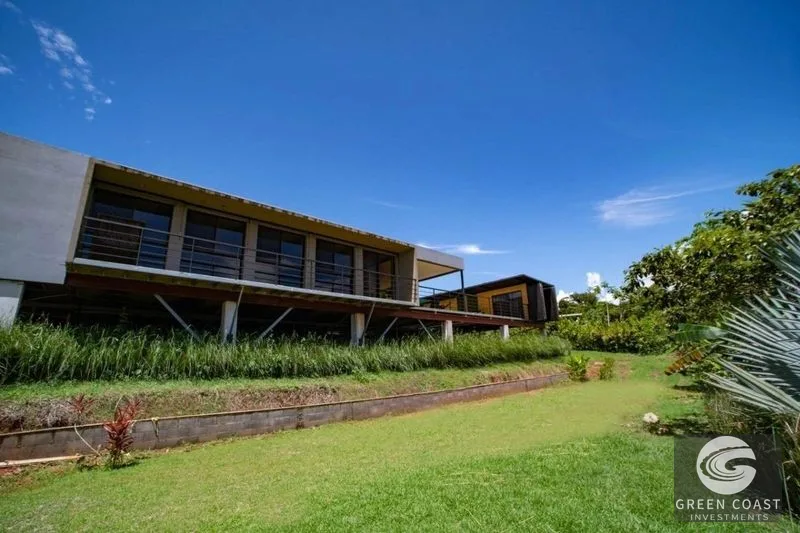 Lujo
Lujo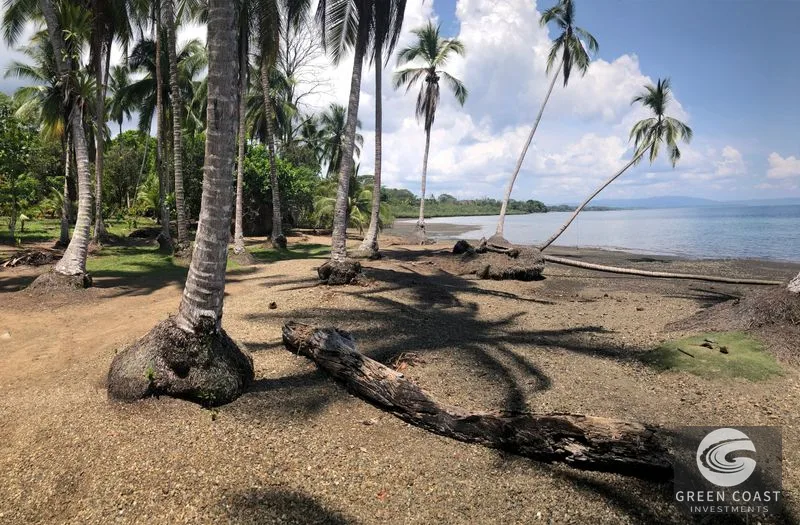
About Costa Rica (Nationwide)
Costa Rica spans just 19,700 square miles—roughly the size of West Virginia—yet contains an extraordinary diversity of ecosystems and climates within its compact borders. The country stretches between two coastlines: the Pacific to the west, offering dramatic sunsets and world-class surf breaks, and the Caribbean to the east, characterized by Afro-Caribbean culture and year-round humidity. Between these coasts runs a mountainous spine of volcanic ranges, creating the temperate Central Valley where approximately 60% of the population resides, including the capital city of San José at 3,800 feet elevation.
This topographical variety produces distinct microclimates within short distances. Guanacaste's Gold Coast on the North Pacific experiences pronounced dry seasons from December through April, while the Southern Pacific near Uvita receives rainfall throughout the year, sustaining lush rainforest. The Central Valley enjoys eternal spring with temperatures hovering between 65-75°F year-round, while beach areas typically range from 75-90°F with higher humidity. Elevation changes of just 1,000 feet can dramatically alter temperature and precipitation patterns, giving buyers remarkable choice in climate preference without leaving the country.
Infrastructure quality varies significantly by region. The Central Valley and established beach towns like Tamarindo, Jacó, and Manuel Antonio offer paved roads, reliable utilities, and comprehensive services. More remote areas along the southern Pacific and Caribbean coasts may require four-wheel-drive access during rainy season and can experience occasional power interruptions. San José's Juan Santamaría International Airport (SJO) serves as the primary gateway, with Liberia's Daniel Oduber International Airport (LIR) providing direct access to Guanacaste's beach communities. Domestic flights via SANSA and Aerobell connect to remote coastal destinations, reducing travel time considerably.
The country's commitment to environmental preservation—over 25% of land area enjoys protected status—ensures that natural beauty remains a permanent feature of the investment landscape. This conservation ethic, combined with a tourism economy that welcomed 3+ million visitors in recent pre-pandemic years, creates sustained demand for quality properties across multiple regions. Understanding these geographical distinctions is essential for buyers determining which microclimate and lifestyle environment best suits their long-term vision.
Real Estate in Costa Rica (Nationwide)
The Costa Rican real estate market offers extraordinary range, from $200,000 condominiums in emerging beach towns to $5+ million ocean-view estates in premier locations like Peninsula Papagayo and Punta Islita. The Central Valley presents a different value proposition entirely, with luxury homes in escazú and Santa Ana ranging from $400,000 to $2+ million, offering sophisticated urban amenities and temperate climate without beach access. Buyers should expect beachfront properties in established areas to command $800-$1,500+ per square foot, while properties set back from the ocean or in developing regions may range from $250-$600 per square foot depending on finishes and location.
Property types span the full spectrum: turnkey condominiums in managed resort communities, standalone luxury villas with concierge services, raw land parcels for custom development, income-producing boutique hotels, and agricultural fincas with sustainable operations. The condominium market has matured significantly, particularly in Guanacaste and the Central Pacific, offering buyers move-in-ready options with professional property management—ideal for those seeking hassle-free second homes. Development land remains available throughout the country, though buyers must navigate varying levels of infrastructure, zoning complexity, and environmental restrictions depending on location and proximity to coastlines.
Buyer profiles have evolved beyond pure retirement demographics. While baby boomers seeking pensionado residency still represent a significant segment, the market now attracts remote workers in their 30s and 40s leveraging Costa Rica's digital nomad infrastructure, families seeking international education opportunities at schools like Country Day and Lincoln School, and investors building rental portfolios targeting the vacation market. The pandemic accelerated interest from North Americans reassessing lifestyle priorities, with many seeking properties that function as both primary residences and income generators. Honest buyers should budget an additional 4-6% for closing costs including transfer taxes, legal fees, and registration expenses, plus ongoing HOA fees ranging from $150-$800+ monthly in managed communities.
Why Buy in Costa Rica (Nationwide)
Political and economic stability distinguishes Costa Rica from regional alternatives. The country's democratic institutions, independent judiciary, and respect for property rights create an investment environment that North Americans find reassuringly familiar. Unlike some Caribbean jurisdictions with opaque title systems or Latin American neighbors with currency volatility, Costa Rica offers transparent property registration through the National Registry and conducts real estate transactions in US dollars, eliminating exchange rate risk. This stability has attracted sustained foreign investment for decades, creating a mature market with established legal precedents protecting buyer interests.
The lifestyle value proposition is equally compelling. Costa Rica's 'pura vida' philosophy emphasizes quality of life, environmental connection, and community over material accumulation—a cultural orientation that resonates with buyers seeking alternatives to North American pace and stress. Whether your vision involves morning surf sessions on the Pacific, cloud forest hikes in Monteverde, or cosmopolitan dining in Escazú, the country's compact geography allows you to experience multiple ecosystems within a single weekend. The established expat community means you'll find English-speaking professionals, international cuisine, familiar retail brands, and social networks that ease the transition while still offering authentic cultural immersion.
From an investment perspective, Costa Rica's tourism economy provides fundamental support for rental markets. The country's brand as an eco-tourism and adventure destination remains strong globally, generating consistent demand for quality vacation rentals in beach and mountain locations. Properties in well-managed communities near popular destinations can achieve 40-60% annual occupancy with gross rental yields of 5-8%, though buyers should account for management fees (typically 25-30%), maintenance, and periods of vacancy. Appreciation potential varies dramatically by location—established areas may see modest 3-5% annual gains, while emerging regions can experience more dramatic appreciation as infrastructure develops, though with corresponding risk.
Expat Life in Costa Rica (Nationwide)
Costa Rica hosts one of Latin America's largest and most established expat communities, with concentrations in the Central Valley (Escazú, Santa Ana, Atenas), Guanacaste beach towns (Tamarindo, Flamingo, Nosara), and the Central Pacific (Jacó, Manuel Antonio). This mature expat presence means newcomers find ready-made social networks, English-language services, and cultural bridges that significantly ease the integration process. Organizations like the Association of Residents of Costa Rica (ARCR) provide resources for navigating residency applications, healthcare enrollment, and practical settling-in challenges. Facebook groups for specific regions connect buyers with on-the-ground intelligence about everything from veterinarians to contractors.
English availability varies by location but is generally strong in expat-heavy areas and the tourism industry. In the Central Valley and major beach towns, you'll find English-speaking doctors, dentists, attorneys, real estate agents, and accountants who specialize in serving the international community. Restaurant menus, signage, and business interactions frequently accommodate English speakers. That said, learning Spanish dramatically enhances the experience—Ticos (as Costa Ricans call themselves) genuinely appreciate efforts to engage in their language, and Spanish proficiency opens doors to deeper cultural understanding, better service provider relationships, and integration beyond the expat bubble. Language schools throughout the country offer immersion programs, and the local Spanish dialect is considered clear and relatively easy for learners compared to some regional variations.
Practical Information
Access to Costa Rica is straightforward for North Americans, with Juan Santamaría International Airport (SJO) in San José offering direct flights from major US and Canadian hubs including Miami, Houston, Dallas, Los Angeles, New York, Toronto, and Montreal. Liberia's Daniel Oduber Airport (LIR) provides direct service to Guanacaste's beach regions from numerous North American cities, particularly during high season (December-April). Flight times range from 3-6 hours depending on departure city. US and Canadian citizens receive 90-day tourist visas upon arrival, with straightforward extension processes for those exploring longer stays before committing to residency applications.
Healthcare represents one of Costa Rica's strongest value propositions. The public Caja system (Costa Rican Social Security) provides universal coverage and is available to legal residents for monthly premiums based on income, typically $50-150 for retirees. Private healthcare through facilities like CIMA Hospital in San José and Escazú, Hospital Clínica Bíblica, and Hospital La Católica offers services comparable to top North American institutions at 30-60% of US costs. Many physicians trained in the United States or Europe, and medical tourism has become a significant industry. Dental work, elective procedures, and prescription medications cost a fraction of North American prices. Most expat-heavy beach towns have local clinics for routine care, with serious cases referred to San José facilities 2-4 hours away depending on location.
Internet connectivity has improved dramatically, with fiber optic service from providers like Tigo, Claro, and Kolbi reaching most developed areas and many remote locations. Speeds of 50-100+ Mbps are standard in urban areas and established beach towns, making remote work entirely feasible. Cellular coverage through the same providers is reliable in populated areas, though remote mountain and coastal regions may have gaps. Utilities function reliably in developed areas—the Central Valley and major towns enjoy consistent power and water, while remote locations may experience occasional outages during heavy rainy season storms. Most luxury developments include backup water storage and many properties invest in generators or solar systems for energy security.
Banking and financial services are accessible, though US citizens should be aware that FATCA compliance has caused some Costa Rican banks to limit services to American account holders. BAC San José, Banco Nacional, and Scotiabank maintain operations, and establishing local accounts is possible with residency documentation. Many expats maintain US banking relationships and use ATMs for cash access, though transaction fees apply. Legal and real estate services have matured considerably—working with experienced attorneys who specialize in foreign buyer transactions is essential for navigating title verification, corporation formation (the typical vehicle for property ownership), and closing procedures that differ from North American norms.
Preguntas frecuentes
- Can foreigners own property in Costa Rica, and are there restrictions?
Foreigners enjoy the same property ownership rights as Costa Rican citizens with few restrictions. The primary limitation involves the Maritime Zone—a 200-meter strip along coastlines where the first 50 meters (public zone) cannot be privately owned, and the next 150 meters (restricted zone) can only be leased through concessions, not owned outright. Properties outside this zone can be owned via fee simple title. Most foreign buyers establish a Costa Rican corporation (sociedad anónima) to hold title, which offers privacy, estate planning benefits, and simplified transfer processes, though direct personal ownership is also permitted.
- Which Costa Rica region offers the best value for luxury real estate buyers?
Value depends entirely on your priorities. The Central Pacific (Jacó, Herradura) offers the shortest distance from San José with developed infrastructure at moderate price points ($300-700/sq ft). The Southern Pacific (Uvita, Ojochal) provides dramatic natural beauty and newer development at lower entry points but with less infrastructure. Guanacaste's established areas command premium prices ($600-1,500+/sq ft) but offer the most developed amenities, rental income potential, and dry season climate. The Central Valley delivers temperate weather and urban sophistication at $250-500/sq ft but without beach access. Each region represents distinct value propositions rather than a single 'best' option.
- What are the ongoing costs of owning property in Costa Rica?
Annual property taxes are remarkably low—0.25% of registered value for properties valued under approximately $200,000, scaling to 0.55% for higher valuations, though registered values often lag market prices. Homeowner association fees in managed communities range from $150-800+ monthly depending on amenities. Property insurance costs $800-2,500+ annually depending on value, construction type, and location. Utilities (electricity, water, internet) typically run $150-400 monthly for luxury properties. If generating rental income, professional management typically charges 25-30% of gross revenue. Budget for periodic maintenance, particularly in humid coastal environments where salt air accelerates wear on fixtures, paint, and appliances.
- How does Costa Rica's residency process work for property buyers?
Property ownership does not automatically grant residency, but several pathways exist. The pensionado program requires proof of $1,000+ monthly pension or Social Security income. The rentista program requires demonstrating $2,500 monthly income for two years (typically via $60,000 deposit in a Costa Rican bank). Investors can qualify through a $200,000+ investment in approved real estate or business. All programs require background checks, authenticated documents, and processing times of 12-24 months. Legal residency provides benefits including duty-free import of household goods and a vehicle, access to the public healthcare system, and a pathway to permanent residency after three years. Many buyers initially spend time on tourist visas while exploring regions before committing to the residency process.
- Is Costa Rica safe for foreign property owners and expats?
Costa Rica is among Central America's safest countries, with no military and a stable democratic government. Violent crime rates are significantly lower than most Latin American nations, though property crime (theft, burglary) does occur, particularly in tourist areas and beach towns. Gated communities with security, alarm systems, and basic precautions (locking doors, not displaying wealth ostentatiously) mitigate most risks. The expat community is well-established and generally reports feeling safe. Traffic accidents pose a more statistically significant risk than violent crime. Regional variations exist—the Central Valley and established beach towns generally feel very secure, while some remote areas require more vigilance. Overall, most foreign residents find Costa Rica's safety profile comfortable and significantly better than many alternative destinations.
Explorar otras regiones
Compare mercados en Costa Rica — cada región tiene su propio carácter y perfil de precios.
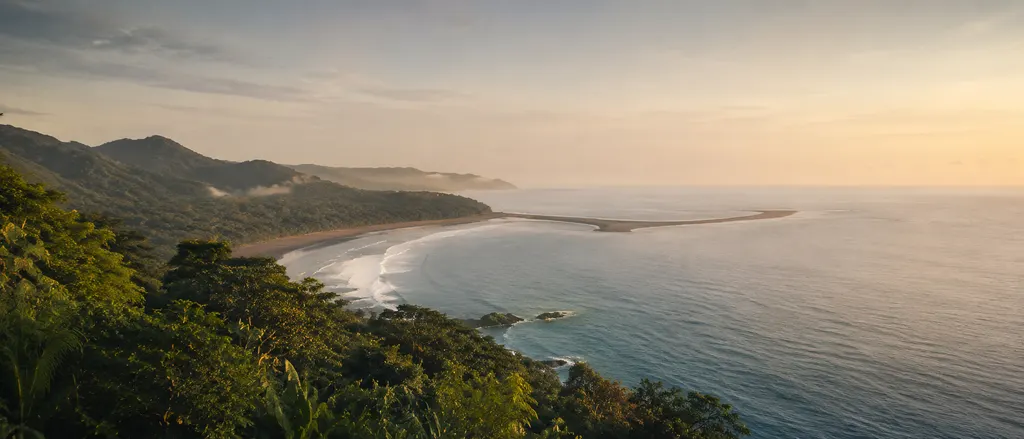
Costa del Pacífico Sur
Propiedades en Uvita y Dominical
Ver propiedades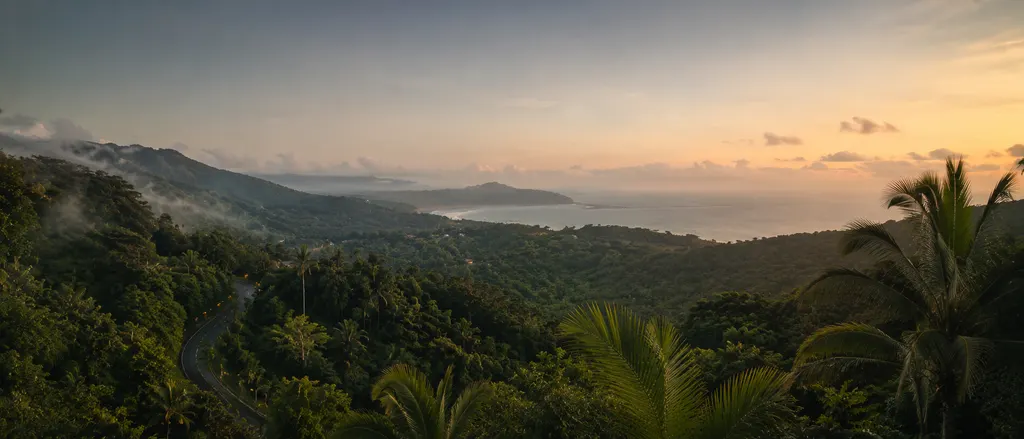
Costa del Pacífico Sur
Propiedades en Ojochal
Ver propiedades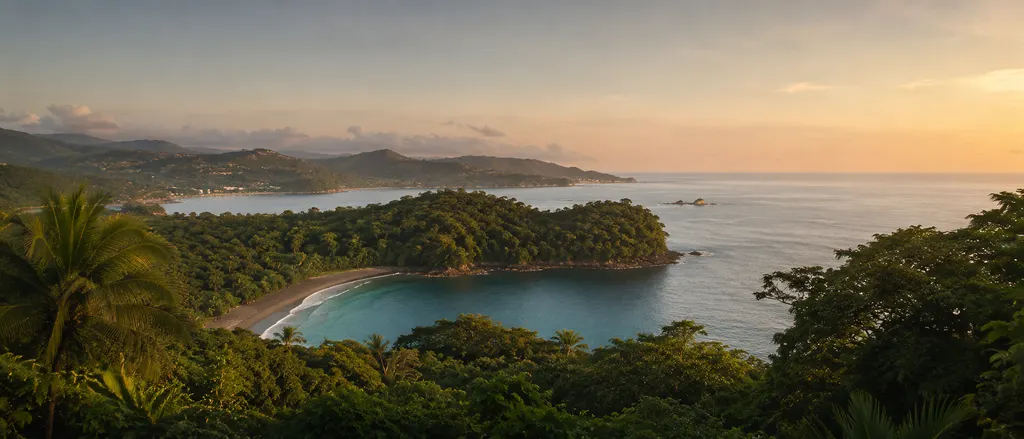
Pacífico Central
Propiedades en Manuel Antonio
Ver propiedades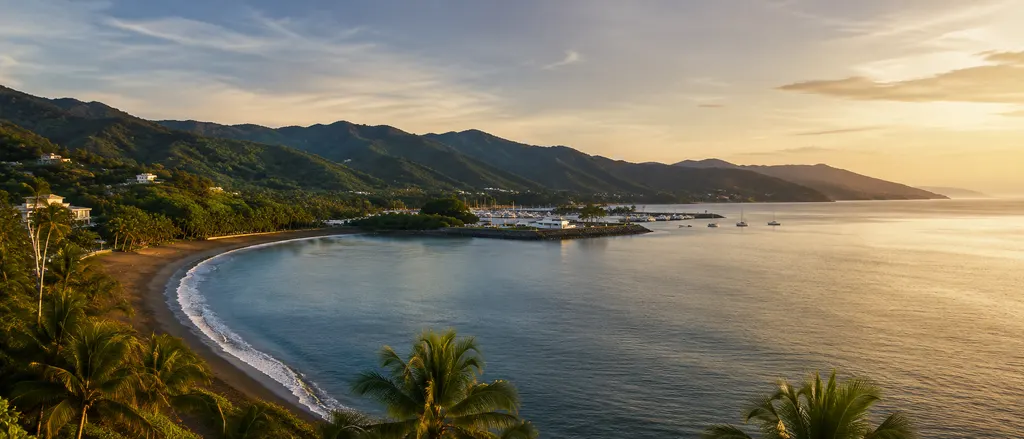
Pacífico Central
Propiedades en Jacó
Ver propiedades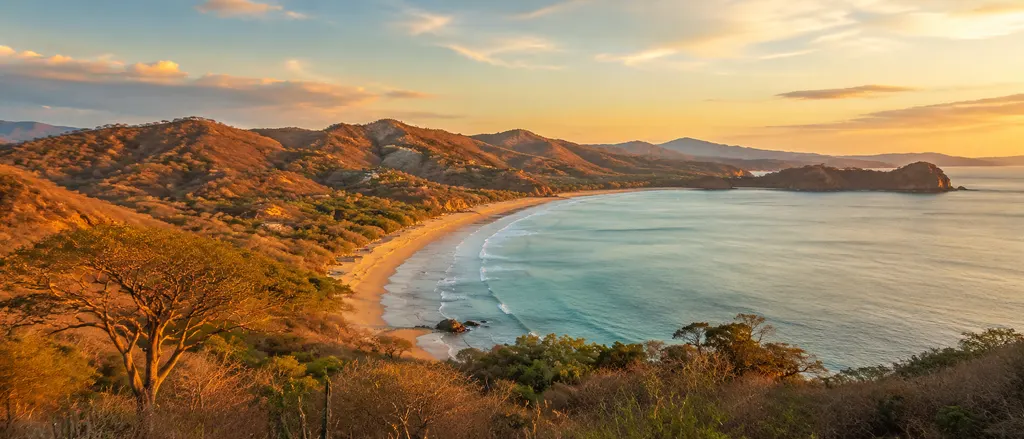
Costa del Pacífico Norte
Propiedades en Guanacaste
Ver propiedades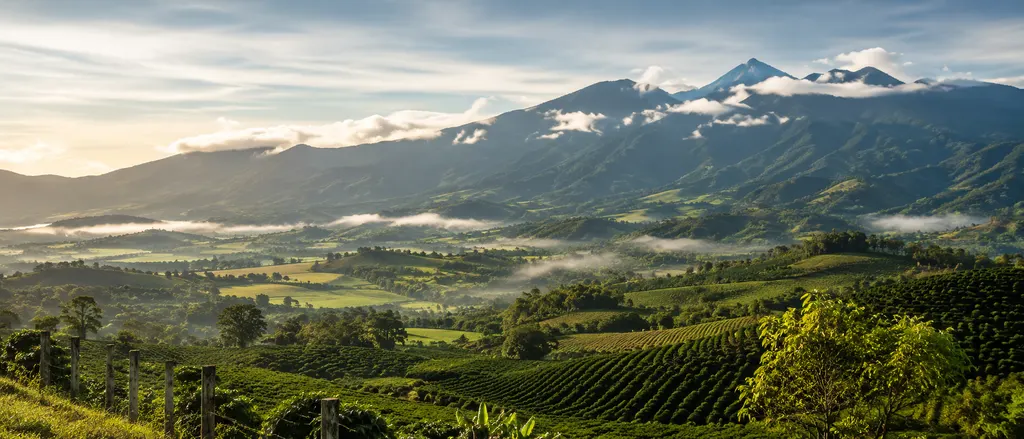
Tierras Altas del Sur
Propiedades en Pérez Zeledón
Ver propiedades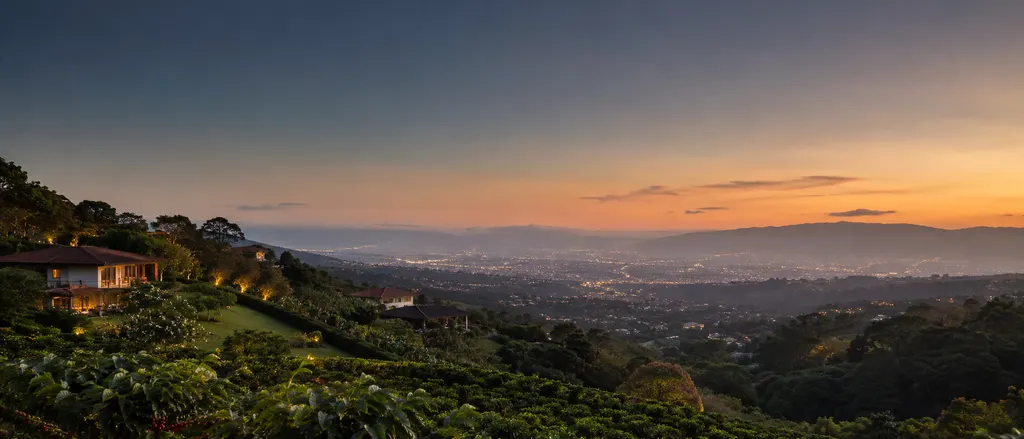
Área Metropolitana
Propiedades en el Valle Central
Ver propiedadesOtra / Nacional, Costa Rica
¿Buscas en Otra / Nacional?
A nationwide lens for buyers comparing regions before they commit to a single coast or valley.
Costa Rica has emerged as the premier destination for North American luxury real estate investment, offering a rare combination of political stability, natural beauty, and investor-friendly policies that few tropical markets can match. With no standing army since 1948, a literacy rate exceeding 97%, and a democratic tradition spanning over seven decades, this Central American nation provides the security and infrastructure discerning buyers demand.
- Asesores locales que conocen este mercado
- Propiedades seleccionadas según sus objetivos
- Llamamos en segundos — teléfono obligatorio para el seguimiento