
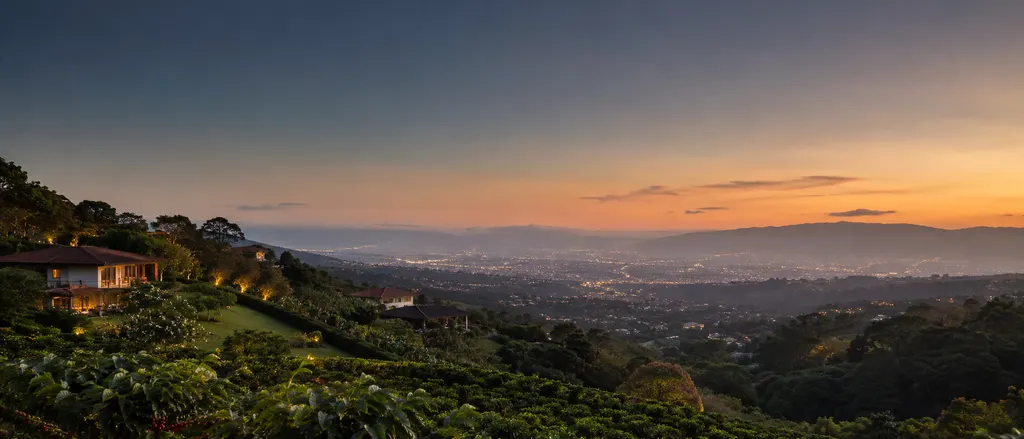
Región
Propiedades en Valle Central (San José, Escazú, Santa Ana), Costa Rica
The Central Valley represents Costa Rica's most sophisticated real estate market for international buyers seeking the rare combination of metropolitan convenience and mountain-town charm.
Mostrando 97–120 de 367 propiedades
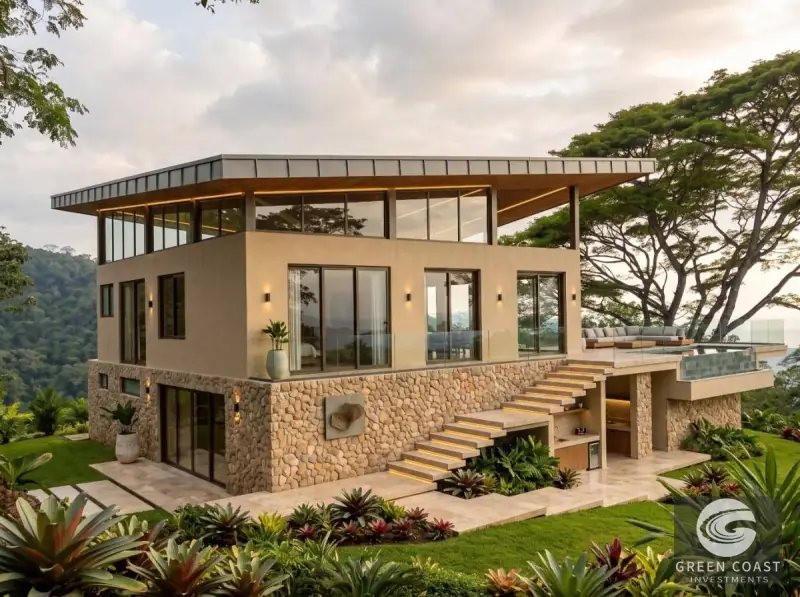
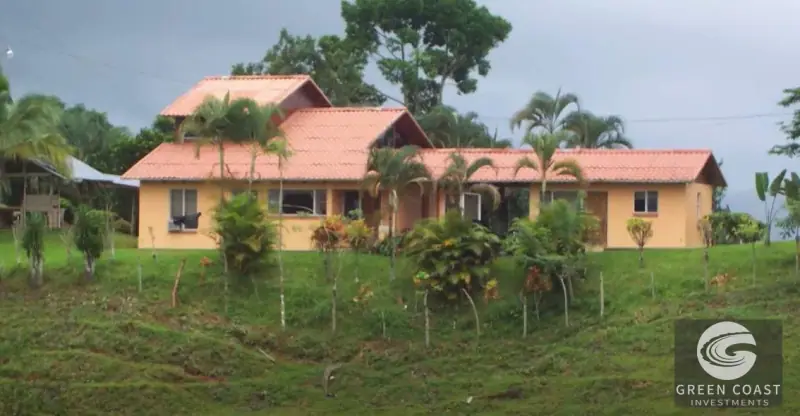
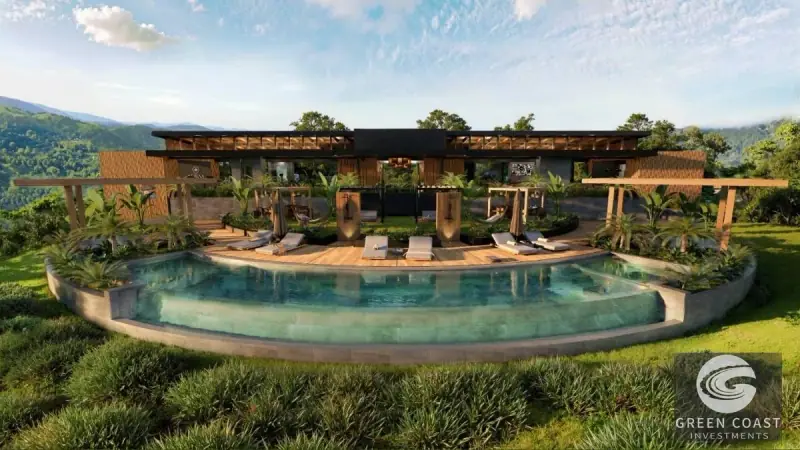


 Vista al océano
 Vista a la montaña
 Vista a la montaña
 Comunidad cerrada
 Piscina
 Piscina
 Vista a la montaña
 Piscina
 Vista a la montaña
 Vista a la montaña
 Vista al océano
 Vista a la montaña
 Vista a la montaña

About Central Valley
The Central Valley (Valle Central) occupies Costa Rica's highland plateau, cradled between the Cordillera Central and Cordillera de Talamanca mountain ranges. This elevated basin—ranging from roughly 3,000 to 5,000 feet above sea level—hosts the nation's capital San José and encompasses the country's most developed corridor. For real estate purposes, the international buyer market concentrates in the western suburbs and towns: Escazú, Santa Ana, Ciudad Colón, Grecia, Sarchí, and Atenas form the primary investment zone, though discerning buyers also explore Heredia, Alajuela, and the eastern valley communities.
The geography creates Costa Rica's most temperate climate—what locals call "eternal spring." Daytime temperatures typically range from 70-80°F year-round, cooling to the comfortable 60s at night. Unlike the beach zones with their pronounced wet seasons, the Central Valley experiences gentler rainfall patterns, with December through April offering predominantly sunny days and May through November bringing afternoon showers that clear by evening. The western corridor toward Atenas enjoys particularly favorable conditions, with less rainfall than San José proper and consistent breezes that eliminate humidity. This climate means homes rarely need heating or air conditioning—a significant lifestyle and cost advantage.
Distance and accessibility define the region's appeal. Escazú sits just 15 minutes from downtown San José and 25-30 minutes from Juan Santamaría International Airport (SJO). Santa Ana extends another 10 minutes west, while Grecia and Atenas lie 45-60 minutes from the airport along well-maintained highways. This proximity matters profoundly for international buyers: you're never more than an hour from world-class medical care at CIMA or Clínica Bíblica, from international flights, or from the services that make expat life function smoothly.
Infrastructure throughout the western Central Valley has matured significantly over two decades. The Route 27 highway connecting San José to the Pacific coast transformed accessibility to Santa Ana and Ciudad Colón. Fiber-optic internet reaches most communities, with speeds comparable to North American standards. Water and electricity systems function reliably in established developments, though buyers should verify infrastructure specifics for individual properties. The region hosts Costa Rica's best international schools, largest shopping centers (Multiplaza Escazú, Momentum Lindora), and most extensive English-speaking professional services—from dentists and veterinarians to accountants and attorneys who understand cross-border complexities.
Real Estate in Central Valley
The Central Valley real estate market offers extraordinary diversity, from contemporary condominiums in Escazú's high-rises to mountain estates on five-acre parcels in Atenas. Escazú and Santa Ana represent the premium tier: modern gated communities with homes from $400,000 to over $2 million, typically featuring 2,500-4,500 square feet, contemporary finishes, and amenities like pools and mountain views. Condominiums in these areas range from $200,000 for two-bedroom units to $600,000+ for penthouse residences with concierge services. These communities cater to executives, diplomats, and affluent retirees seeking turnkey convenience.
Moving west toward Grecia, Ciudad Colón, and Atenas, the market shifts toward lifestyle properties on larger lots. Here, $300,000-$600,000 typically secures a well-built home on one to three acres, often with fruit trees, gardens, and genuine privacy. These aren't resort properties but rather permanent residences for buyers prioritizing space, nature, and lower density over walkable urbanism. Atenas particularly attracts retirees and remote workers willing to trade some convenience for climate perfection and tranquility. Land parcels remain available throughout the region, from $50,000 for buildable lots in developing areas to $200,000+ per acre for premium view sites.
The buyer profile skews heavily toward permanent relocations rather than vacation investors. Families with school-age children concentrate in Escazú and Santa Ana for proximity to Country Day School, Lincoln School, and other international institutions. Retirees split between the urban convenience of western San José suburbs and the quieter mountain towns. Remote workers increasingly discover the Central Valley offers better year-round comfort than beach areas, with superior internet and none of the seasonal tourist crowds. The market maintains stronger liquidity than most Costa Rica regions—properties here resell to the constant influx of relocating internationals, not just to the smaller pool of vacation buyers.
Why Buy in Central Valley
Year-round livability without compromise. The Central Valley's elevation climate means you'll genuinely enjoy your property every single day, not just during dry season. No oppressive heat, no air conditioning bills, no mold battles, no seasonal exodus when humidity becomes unbearable. This matters profoundly for permanent residents—your home remains comfortable in January and July alike. The climate also preserves furnishings, electronics, and vehicles far better than coastal humidity, reducing the hidden costs of tropical living.
Proximity to essential services creates security. Living 30-60 minutes from SJO airport means family can visit easily, you can reach North American cities in 3-5 hours for business or emergencies, and medical evacuation (should it ever be needed) is straightforward. The concentration of Costa Rica's best hospitals in the Central Valley—CIMA, Hospital Clínica Bíblica, Hospital México—provides healthcare access matching or exceeding many U.S. facilities, at a fraction of the cost. This infrastructure density reduces the isolation risk inherent in more remote Costa Rica locations.
Established expat ecosystem accelerates integration. The Central Valley's decades-old international community means you'll find English-speaking professionals for every need: attorneys who understand U.S. tax implications, contractors experienced with North American expectations, social groups from hiking clubs to business networks. This isn't about avoiding Costa Rican culture—it's about having support systems that smooth the inevitable challenges of international relocation. New arrivals benefit from the knowledge base of thousands who've navigated the same transition.
Superior resale liquidity protects investment. When life circumstances change, Central Valley properties resell to the continuous stream of relocating executives, retirees, and remote workers. Unlike beach condos dependent on vacation buyer sentiment, homes here serve the fundamental demand for quality permanent housing near Costa Rica's economic and logistical center. This liquidity advantage may not matter for decades, but it provides the exit strategy that purely recreational markets often lack.
Expat Life in Central Valley
The Central Valley hosts Costa Rica's largest and most integrated international community, with North Americans comprising a visible but not dominant presence in areas like Escazú, Santa Ana, and Atenas. You'll find English spoken widely in businesses catering to expats—from grocery stores and gyms to medical offices and government service windows—though learning Spanish remains essential for deeper integration and daily convenience. The expat community organizes around numerous social structures: hiking groups, book clubs, business networking organizations, volunteer opportunities, and informal gatherings that make building friendships straightforward for newcomers.
Local integration happens naturally in the Central Valley's mixed communities. Unlike some beach towns where expats cluster in isolated developments, here you'll have Tico neighbors, shop at the same farmers markets, and participate in community events from local festivals to school functions if you have children. The key is approaching relocation with cultural humility—Costa Ricans appreciate foreigners who make genuine efforts to learn Spanish, understand local customs, and contribute to community life rather than recreating North American suburbs. Many long-term expats report their deepest friendships span both cultures, enriching their experience beyond what purely expat enclaves provide.
The practical reality: you can absolutely function in English for essential services in Escazú and Santa Ana, making initial transition manageable. But the quality of your long-term experience correlates directly with Spanish proficiency and cultural engagement. The Central Valley's advantage is choice—robust expat support when you need it, authentic Costa Rican community when you're ready to integrate more deeply.
Practical Information
Access and transportation: Juan Santamaría International Airport (SJO) in Alajuela serves as the primary gateway, with direct flights to major U.S. and Canadian cities. From the airport, Escazú is 25-30 minutes, Santa Ana 35-40 minutes, and Atenas about one hour via Route 27 and Route 3. Most expats maintain vehicles for convenience, though Escazú and parts of Santa Ana offer walkable neighborhoods with Uber and taxi services readily available. Traffic congestion affects San José proper and major corridors during rush hours (7-9 AM, 5-7 PM), but western suburbs generally experience lighter conditions than the capital core.
Healthcare excellence: The Central Valley concentrates Costa Rica's premier private hospitals. CIMA Hospital in Escazú offers U.S.-standard care with many physicians trained in American programs, accepting international insurance and providing services from routine care to complex surgery. Hospital Clínica Bíblica in San José similarly serves the international community with English-speaking staff. Costs run 50-70% below comparable U.S. procedures—a knee replacement might cost $15,000-$20,000 versus $40,000+ in the States. Most expats combine international insurance for catastrophic coverage with cash payment for routine care, finding the hybrid approach economical and efficient.
Services and connectivity: Fiber-optic internet reaches most developed areas, with providers like Tigo, Kolbi, and Cabletica offering 100-200 Mbps speeds sufficient for video calls and remote work. Reliability has improved dramatically, though backup solutions (secondary provider or mobile hotspot) provide peace of mind for critical connectivity. Electricity through ICE (Instituto Costarricense de Electricidad) functions reliably, though brief outages during heavy storms occur occasionally. Water quality varies by specific location—municipal systems in established areas generally provide potable water, though many residents install filtration for taste and added security. Banking, grocery shopping, and consumer services in Escazú and Santa Ana match North American expectations, with Walmart, PriceSmart (like Costco), and AutoMercado supermarkets stocking familiar brands alongside local products.
Preguntas frecuentes
- Is the Central Valley climate really comfortable year-round without air conditioning?
Yes, genuinely. At 3,000-5,000 feet elevation, daytime temperatures stay in the 70-80°F range year-round, cooling to the 60s at night. Most homes use neither heating nor air conditioning—ceiling fans provide adequate comfort. Atenas and the western corridor enjoy particularly pleasant conditions with consistent breezes. This isn't marketing exaggeration; it's the primary reason so many expats choose the Central Valley over beach locations.
- How does Escazú differ from Atenas for international buyers?
Escazú offers urban sophistication—walkable neighborhoods, high-rise condos, international schools, restaurants, and 20 minutes to the airport. It attracts executives, families with children, and those wanting metropolitan convenience. Atenas sits an hour from SJO in quieter mountain terrain, appealing to retirees and remote workers prioritizing space, nature, and the "world's best climate" tranquility over immediate access to services. Escazú trades at premium prices ($400K-$2M+); Atenas offers more property for less ($300K-$600K typically).
- What are typical HOA fees in Central Valley gated communities?
HOA fees vary widely by community amenities and services. Basic gated communities with security and road maintenance might charge $100-$200 monthly. Communities with pools, clubhouses, extensive landscaping, and 24/7 guarded gates typically run $250-$500 monthly. Luxury high-rise condominiums in Escazú with concierge services, gyms, and full amenities can reach $600-$800+ monthly. Always verify exact fees and what they cover before purchasing—they represent a significant ongoing cost.
- Can I realistically work remotely from the Central Valley with U.S. business hours?
Absolutely. Costa Rica operates on Central Standard Time year-round (no daylight saving), putting you one hour behind Eastern Time and two behind during U.S. daylight months. Fiber-optic internet in developed areas provides 100-200+ Mbps speeds suitable for video conferencing. Many remote workers find the Central Valley ideal—reliable connectivity, comfortable work environment without air conditioning costs, and the airport proximity for occasional required travel. The time zone alignment works far better than Asian or European remote locations.
- Is the Central Valley safe for international residents?
The Central Valley is generally safe with sensible precautions. Gated communities provide additional security layers popular with expats. Petty theft (car break-ins, opportunistic burglaries) occurs as in any urban area—don't leave valuables visible, secure your home, stay aware of surroundings. Violent crime against residents is uncommon but not unknown. Most expats report feeling safer than in comparable U.S. cities, though experiences vary by specific neighborhood. Research particular communities, talk with current residents, and invest in appropriate security measures for your property and peace of mind.
Explorar otras regiones
Compare mercados en Costa Rica — cada región tiene su propio carácter y perfil de precios.
Costa del Pacífico Sur
Propiedades en Uvita y Dominical
Ver propiedades
Costa del Pacífico Sur
Propiedades en Ojochal
Ver propiedades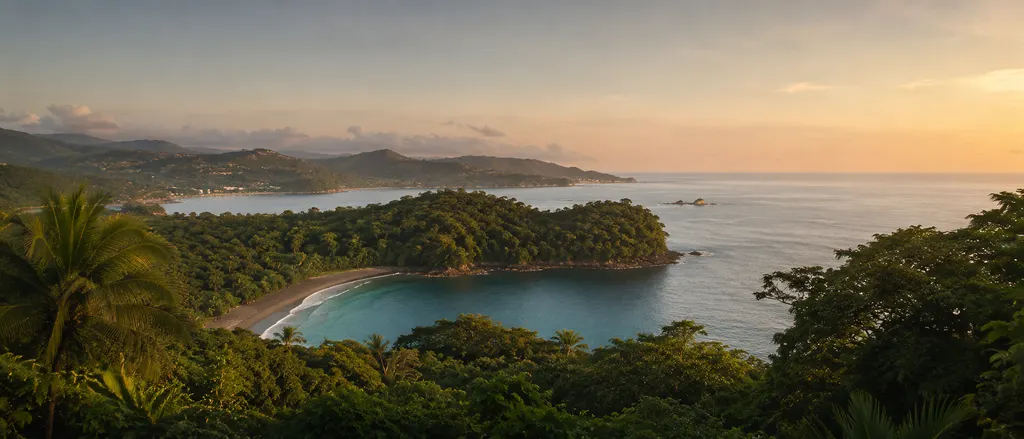
Pacífico Central
Propiedades en Manuel Antonio
Ver propiedades
Pacífico Central
Propiedades en Jacó
Ver propiedades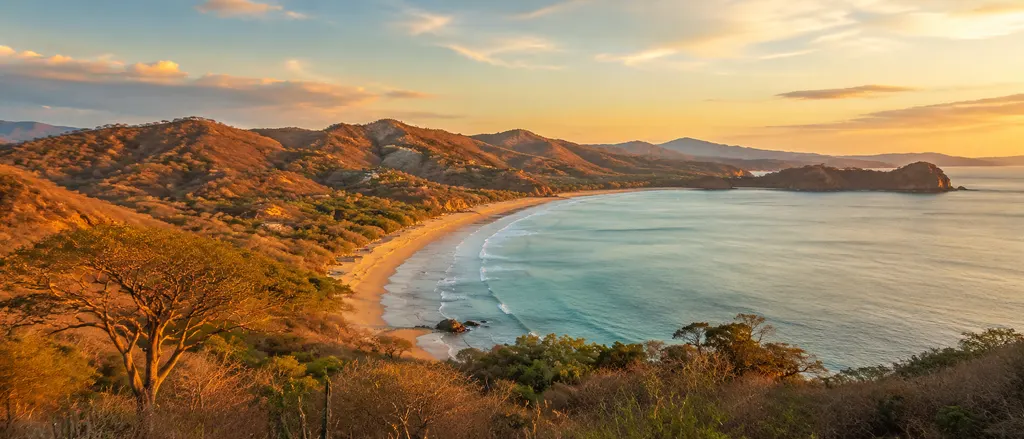
Costa del Pacífico Norte
Propiedades en Guanacaste
Ver propiedades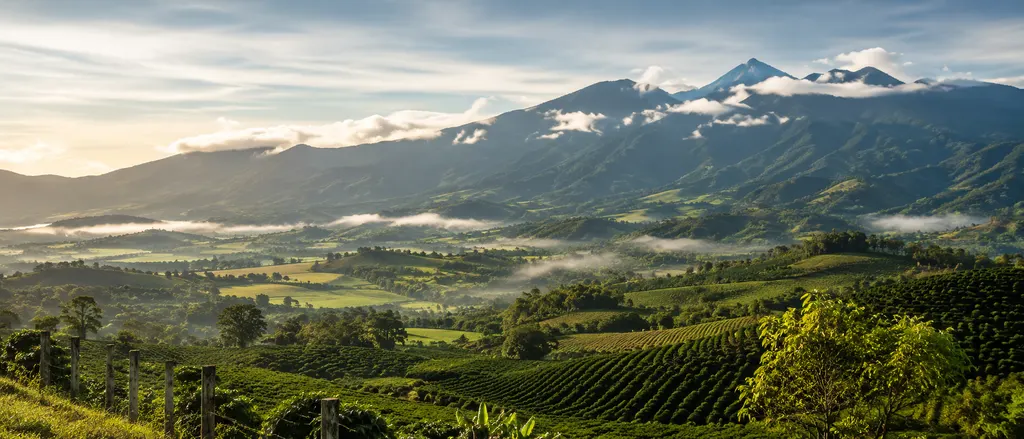
Tierras Altas del Sur
Propiedades en Pérez Zeledón
Ver propiedades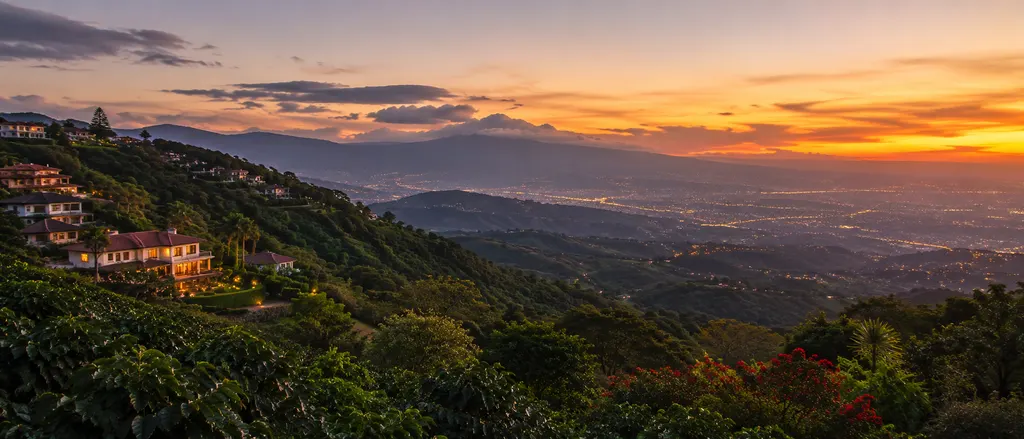
Todo el país
Propiedades en Costa Rica
Ver propiedadesValle Central (San José, Escazú, Santa Ana), Costa Rica
¿Buscas en Valle Central (San José, Escazú, Santa Ana)?
Metro convenience with microclimates from Escazú to Atenas—the default choice for relocations and executive families.
The Central Valley represents Costa Rica's most sophisticated real estate market for international buyers seeking the rare combination of metropolitan convenience and mountain-town charm.
- Asesores locales que conocen este mercado
- Propiedades seleccionadas según sus objetivos
- Llamamos en segundos — teléfono obligatorio para el seguimiento